Snakes in North Carolina
Here are common snakes found in North Carolina, including 5 venomous species to watch for. Tap any snake for a full identification profile.
Venomous snakes in North Carolina
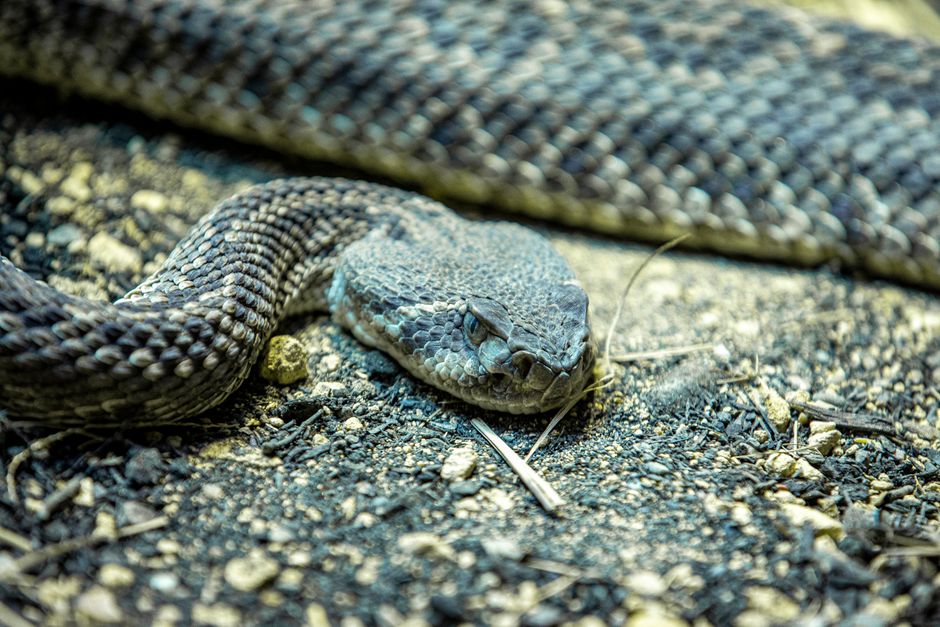 Venomous
Eastern Diamondback Rattlesnake
Crotalus adamanteus
The largest venomous snake in North America and arguably the most dangerous. Its hemotoxic venom destroys tissue and blood cells, and a defensive bite is a medical emergency.
 Venomous
Copperhead
Agkistrodon contortrix
Responsible for more venomous snakebites than any other US species, but its bite is rarely fatal. Excellent camouflage in leaf litter leads to surprise encounters.
 Venomous
Cottonmouth (Water Moccasin)
Agkistrodon piscivorus
A semi-aquatic pit viper named for the white interior of its mouth, which it gapes as a warning. The only venomous water snake in North America.
 Venomous
Eastern Coral Snake
Micrurus fulvius
A relative of cobras with potent neurotoxic venom. Famous for the rhyme 'red touches yellow, kill a fellow' that separates it from harmless mimics.
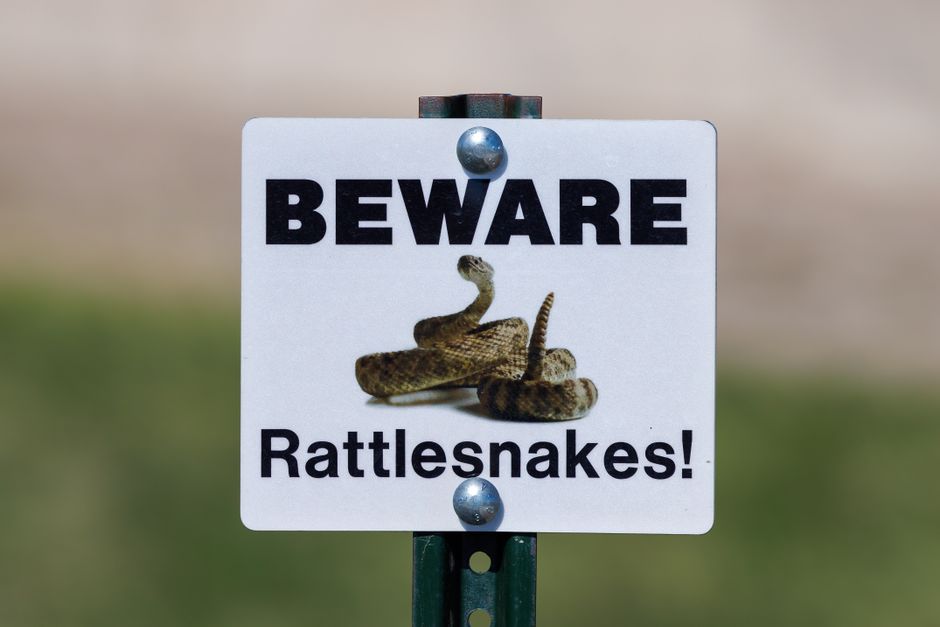 Venomous
Pygmy Rattlesnake
Sistrurus miliarius
A small but venomous pit viper with a rattle so tiny it sounds like a buzzing insect. Bites are painful but rarely life-threatening due to the small venom yield.
Harmless snakes in North Carolina
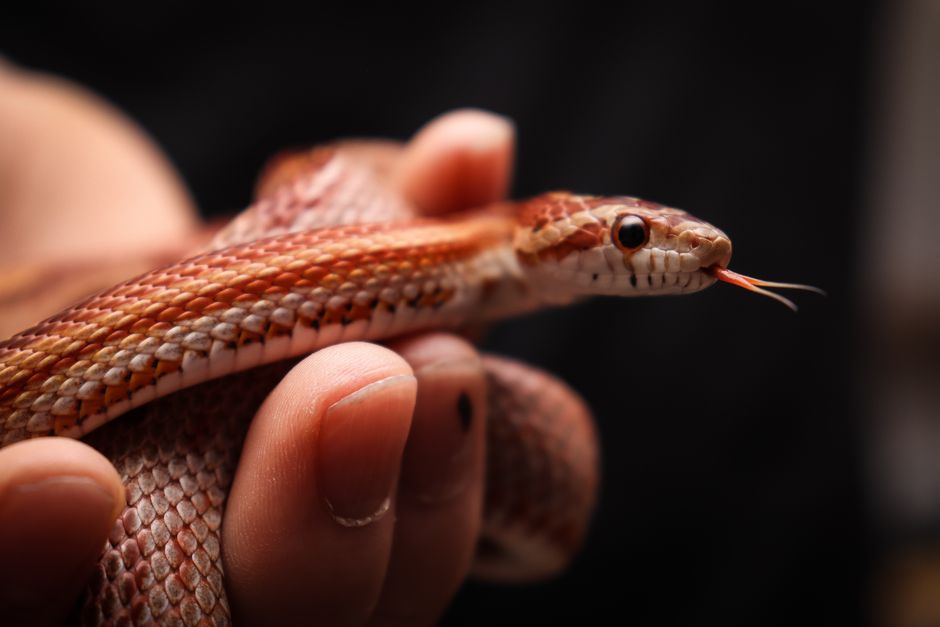 Non-venomous
Corn Snake
Pantherophis guttatus
A harmless, beneficial constrictor and one of the most popular pet snakes in the world. Frequently mistaken for the venomous copperhead.
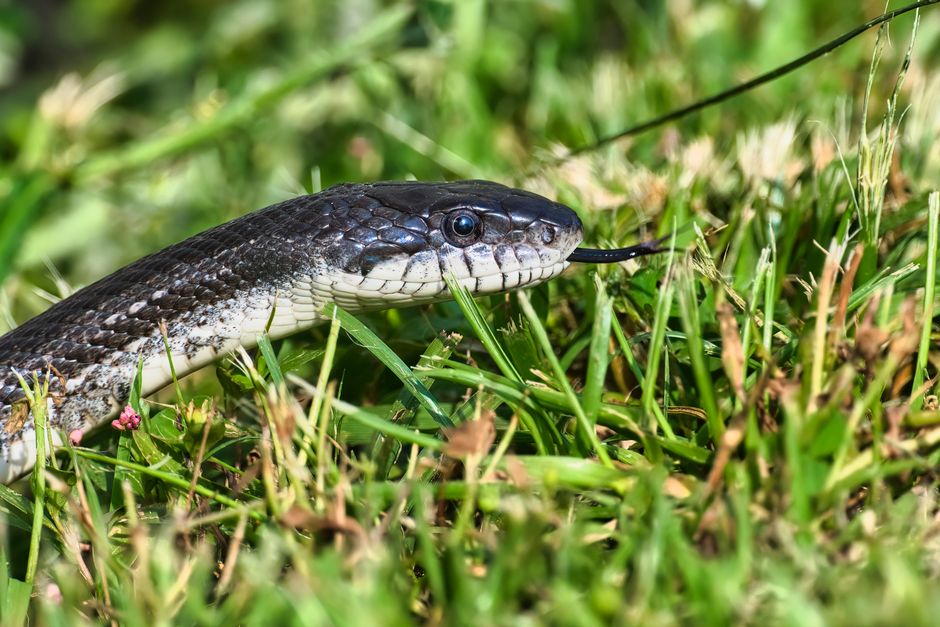 Non-venomous
Eastern Ratsnake
Pantherophis alleghaniensis
A large, harmless constrictor and one of the best natural rodent controllers around homes and farms. Juveniles are gray and blotched, leading to copperhead confusion.
 Non-venomous
Northern Watersnake
Nerodia sipedon
A harmless aquatic snake constantly killed out of fear that it is a cottonmouth. It bites readily when grabbed but has no venom.
 Non-venomous
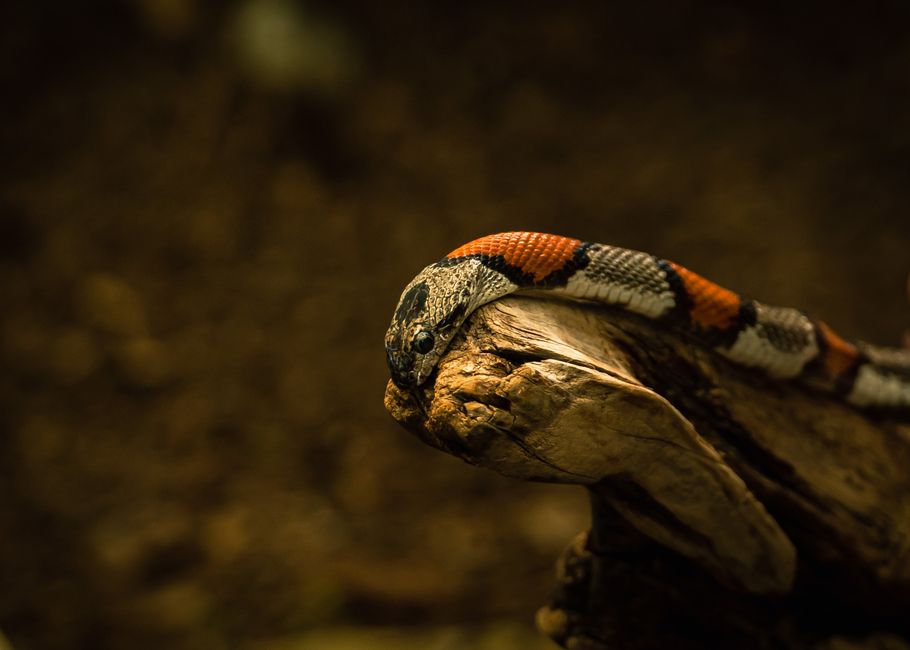
Scarlet Kingsnake
Lampropeltis elapsoides
A harmless coral snake mimic. Its red bands touch black bands — 'red touches black, friend of Jack' — separating it from the venomous coral snake.
 Mildly venomous
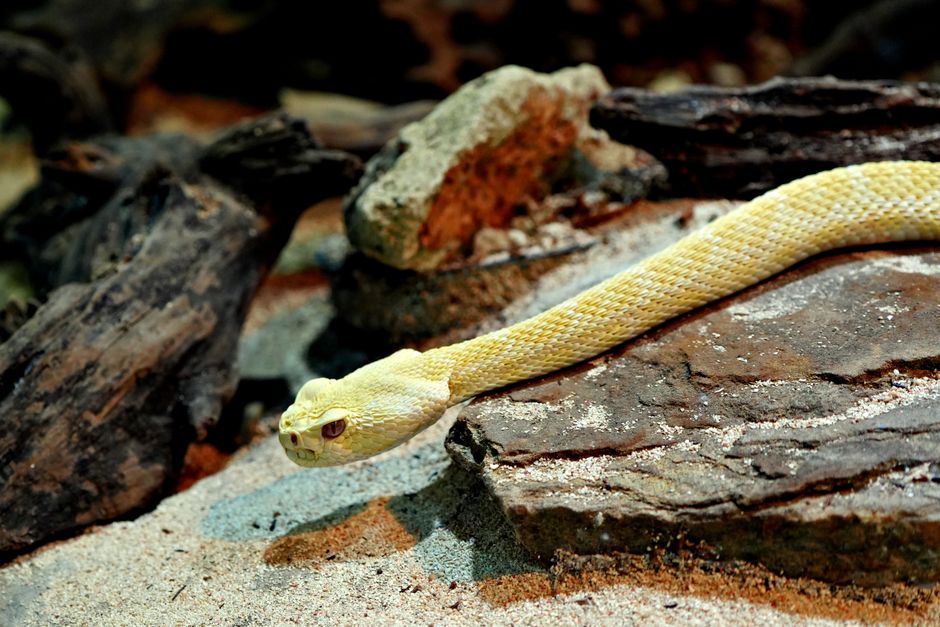
Eastern Hognose Snake
Heterodon platirhinos
A harmless toad-eater famous for its theatrics — it hisses, flattens its neck like a cobra, then flips over and plays dead. Rear-fanged with toxin that affects only amphibians.
 Non-venomous
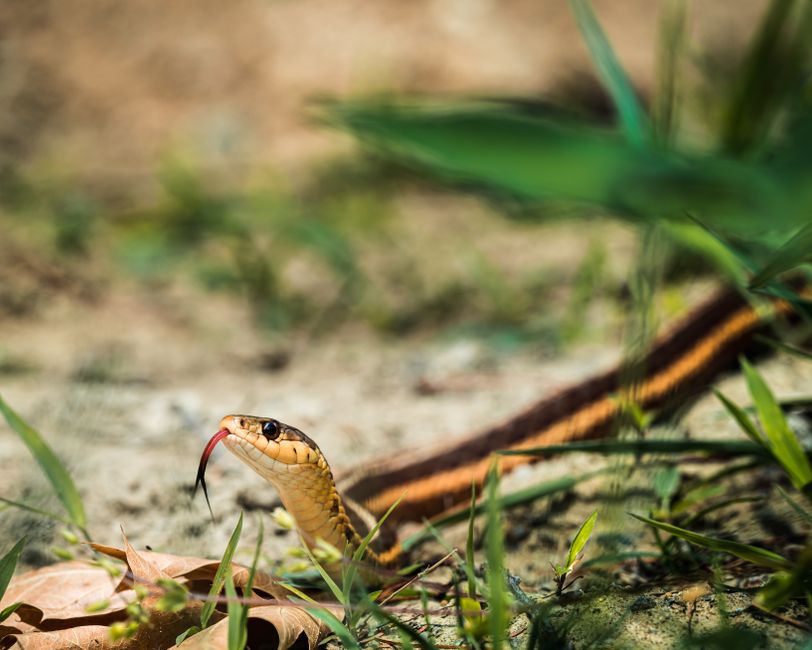
Eastern Ribbon Snake
Thamnophis saurita
A slender, harmless relative of the garter snake with crisp stripes and a notably long tail. Common around water but completely harmless.
 Non-venomous
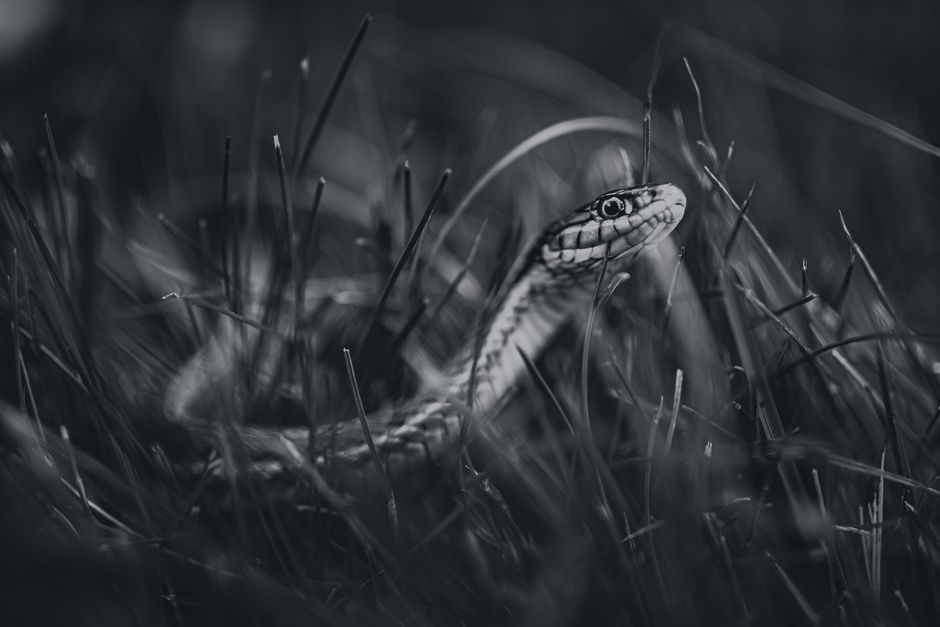
Black Racer
Coluber constrictor
A slender, fast, harmless snake that flees at high speed when disturbed. Often mistaken for something dangerous because of its dark color and nervous, alert behavior.
 Non-venomous
Rough Green Snake
Opheodrys aestivus
A gentle, bright-green insect-eater that lives in bushes and is almost impossible to see against leaves. One of the most harmless snakes in North America.
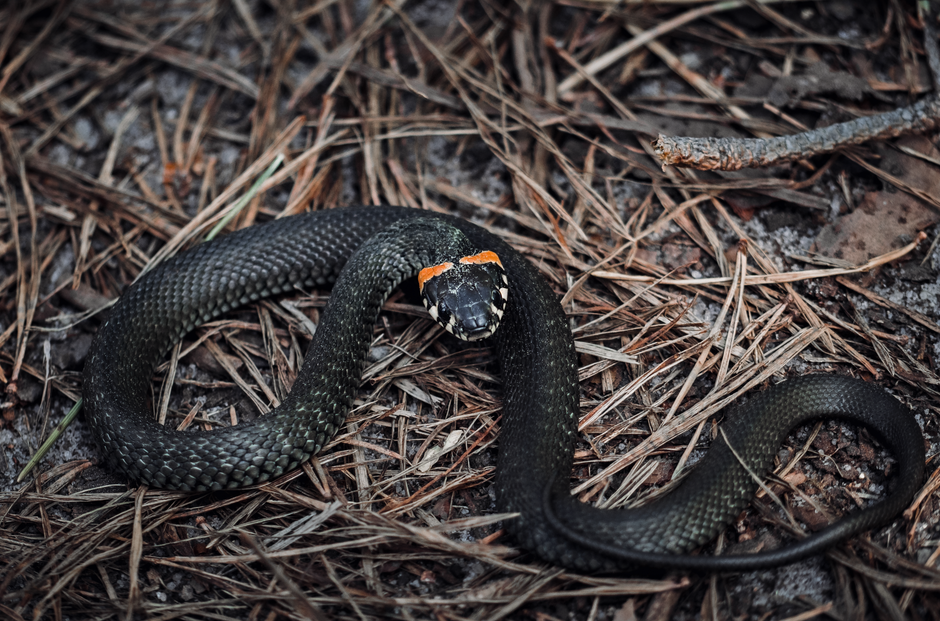 Mildly venomous
Ring-necked Snake
Diadophis punctatus
A tiny, secretive snake with a bright neck ring and a vivid orange-yellow belly it curls to flash when threatened. Harmless to people despite mild rear-fanged saliva.
 Non-venomous
Eastern Kingsnake
Lampropeltis getula
A powerful, harmless constrictor famous for eating rattlesnakes and copperheads — it is immune to their venom. A homeowner's best natural defense against venomous snakes.
Identifying snakes in North Carolina
Knowing your location is one of the most powerful tools in snake identification. Many snakes look similar, but the species actually present in North Carolina narrows the possibilities dramatically. When you use our snake identifier, factor in your state to boost confidence — and if you ever spot a snake you can't identify, treat it as potentially dangerous and keep your distance.