Venomous snakes & how to identify them
Only a small fraction of snakes are dangerous to people — but knowing which ones matters. Learn the key warning signs of venomous snakes, then meet the species and the harmless look-alikes they're often mistaken for.
Head shape
Most US venomous snakes have a broad, triangular head distinct from the neck.
Pupils
Vertical, cat-like pupils suggest a pit viper (but coral snakes have round pupils).
Facial pit
A heat-sensing pit between the eye and nostril is unique to pit vipers.
Rattle
A segmented rattle on the tail means rattlesnake — give it space.
Important: no single feature is foolproof, and several harmless snakes imitate venomous ones. Never get close to check. Use a photo identifier and treat any snake you can't confidently identify as dangerous.
Venomous species
Tap any snake for a full identification profile.
 Venomous
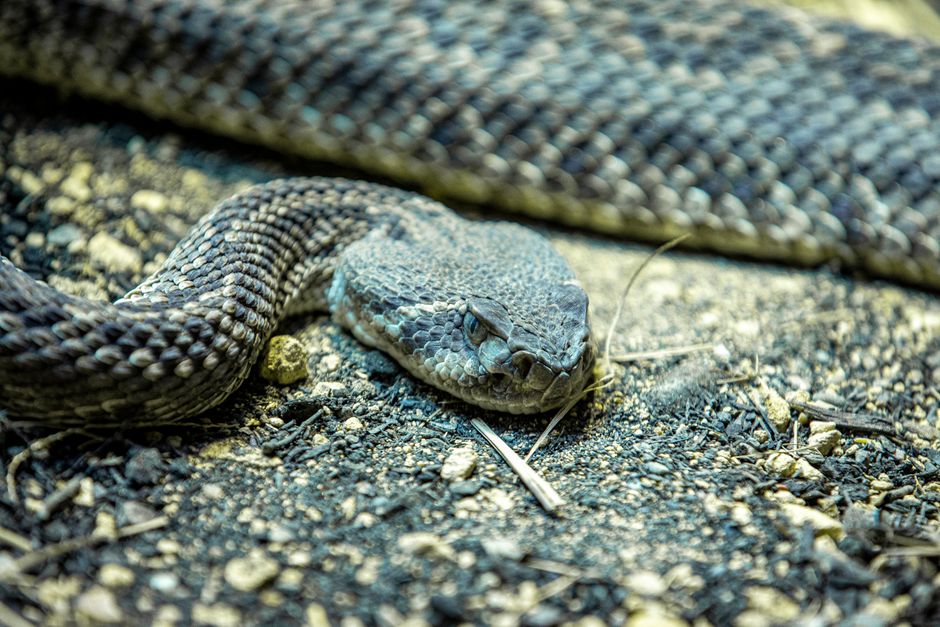
Eastern Diamondback Rattlesnake
Crotalus adamanteus
The largest venomous snake in North America and arguably the most dangerous. Its hemotoxic venom destroys tissue and blood cells, and a defensive bite is a medical emergency.
 Venomous
Copperhead
Agkistrodon contortrix
Responsible for more venomous snakebites than any other US species, but its bite is rarely fatal. Excellent camouflage in leaf litter leads to surprise encounters.
 Venomous
Cottonmouth (Water Moccasin)
Agkistrodon piscivorus
A semi-aquatic pit viper named for the white interior of its mouth, which it gapes as a warning. The only venomous water snake in North America.
 Venomous
Eastern Coral Snake
Micrurus fulvius
A relative of cobras with potent neurotoxic venom. Famous for the rhyme 'red touches yellow, kill a fellow' that separates it from harmless mimics.
 Venomous
Western Diamondback Rattlesnake
Crotalus atrox
The classic Western rattlesnake responsible for the most snakebite deaths in the US. Recognizable by the black-and-white 'coon tail' banding above the rattle.
 Venomous
Timber Rattlesnake
Crotalus horridus
A large forest rattlesnake of the eastern US with a calm temperament but highly potent venom. Often confused with the harmless Eastern Ratsnake.
 Venomous
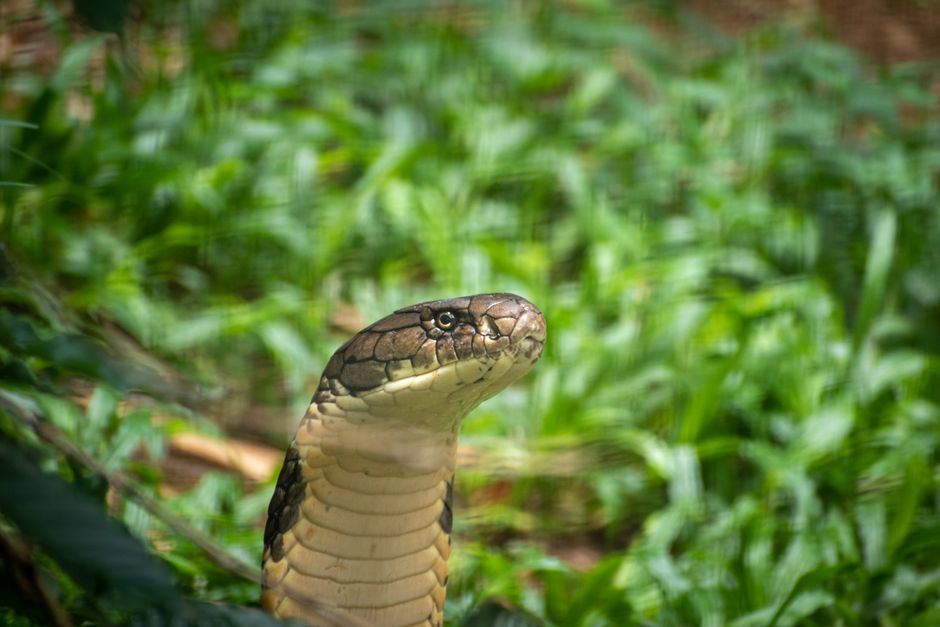
King Cobra
Ophiophagus hannah
The world's longest venomous snake. A single bite delivers enough neurotoxin to kill an elephant, yet it is generally shy and avoids humans.
 Venomous
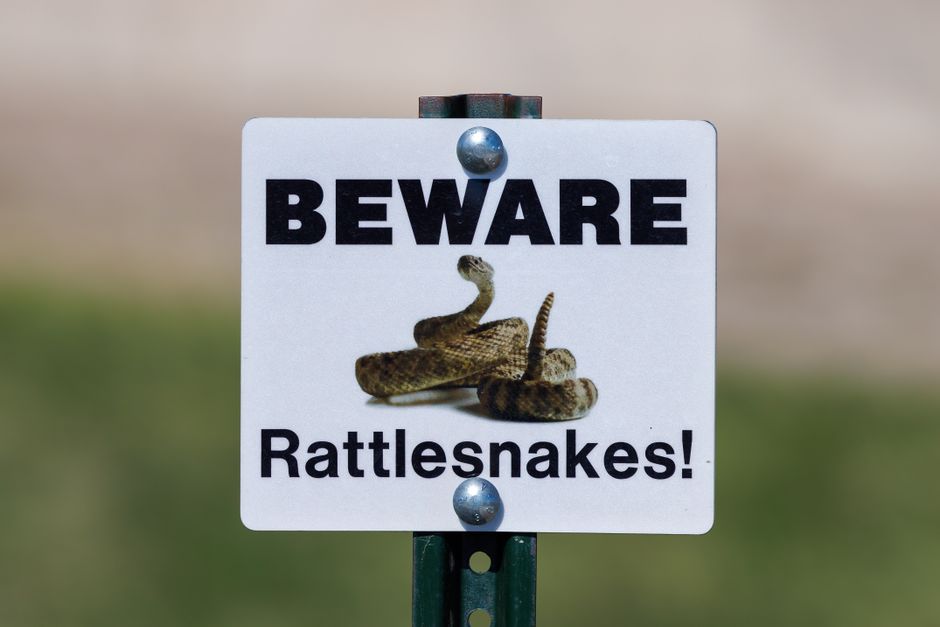
Prairie Rattlesnake
Crotalus viridis
The classic rattlesnake of the Great Plains. Well-camouflaged in dry grass, with a potent venom that makes it the main medically significant snake across the central US.
VenomousMojave Rattlesnake
Crotalus scutulatus
Often considered the most dangerous rattlesnake in the US because of its potent neurotoxic-plus-hemotoxic venom. Looks much like a diamondback but with subtle differences.
 Venomous
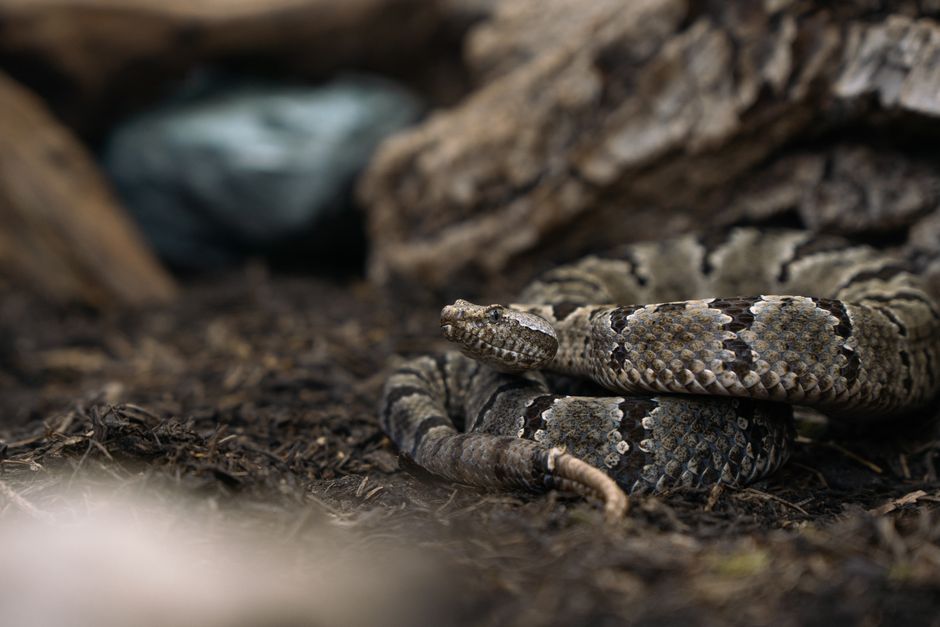
Pygmy Rattlesnake
Sistrurus miliarius
A small but venomous pit viper with a rattle so tiny it sounds like a buzzing insect. Bites are painful but rarely life-threatening due to the small venom yield.
 Venomous
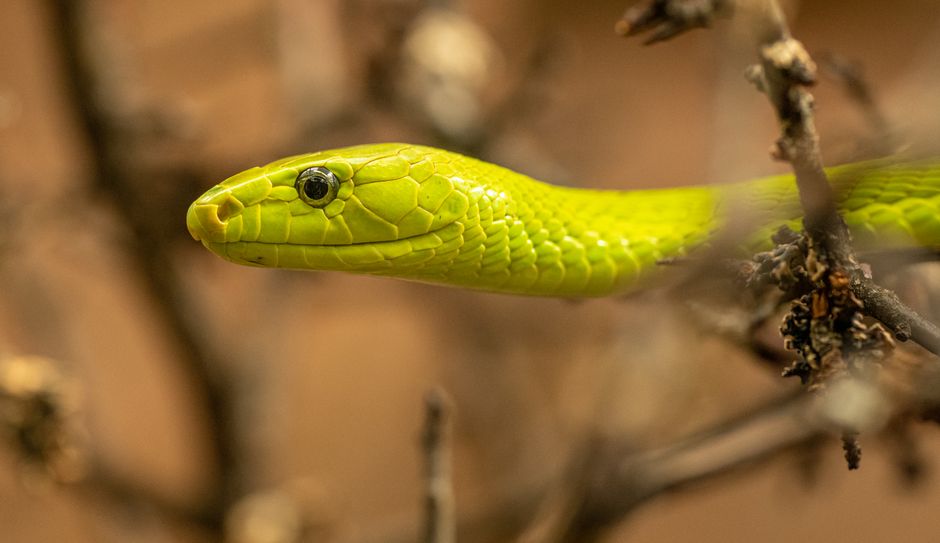
Black Mamba
Dendroaspis polylepis
Africa's most feared snake — fast, alert and armed with rapid-acting neurotoxic venom. The name comes from the inky-black inside of its mouth, not its body color.
 Venomous
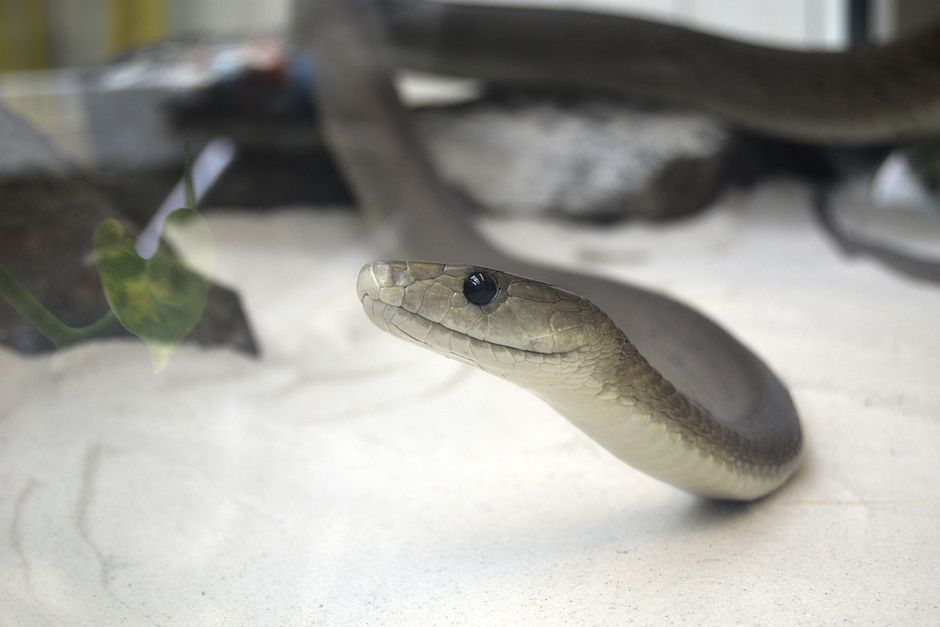
Inland Taipan
Oxyuranus microlepidotus
Drop for drop, the most venomous land snake in the world. Despite this, it is shy and reclusive and bites on humans are extremely rare.
 Venomous
Eastern Brown Snake
Pseudonaja textilis
Responsible for more snakebite deaths in Australia than any other species. Fast, nervous and highly venomous, and common around farms and homes where mice are plentiful.
 Venomous
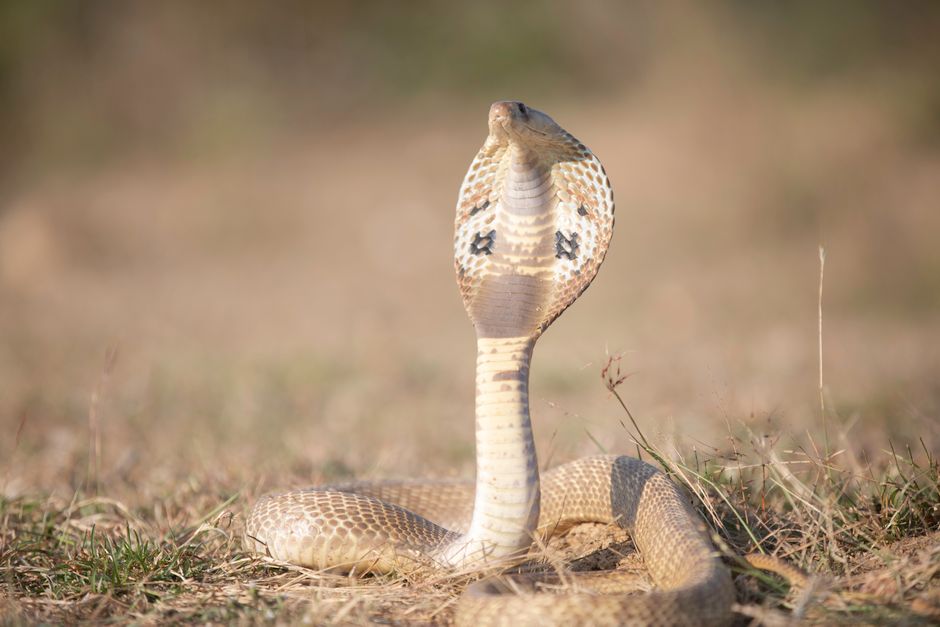
Indian Cobra
Naja naja
One of India's 'big four' snakes responsible for the most human deaths. Famous for the spectacle-shaped marking on the back of its spread hood.
 Venomous
Russell's Viper
Daboia russelii
One of the deadliest snakes in Asia and a member of India's 'big four.' Its loud hiss and chain-like pattern are warning signs of a potent, organ-damaging venom.
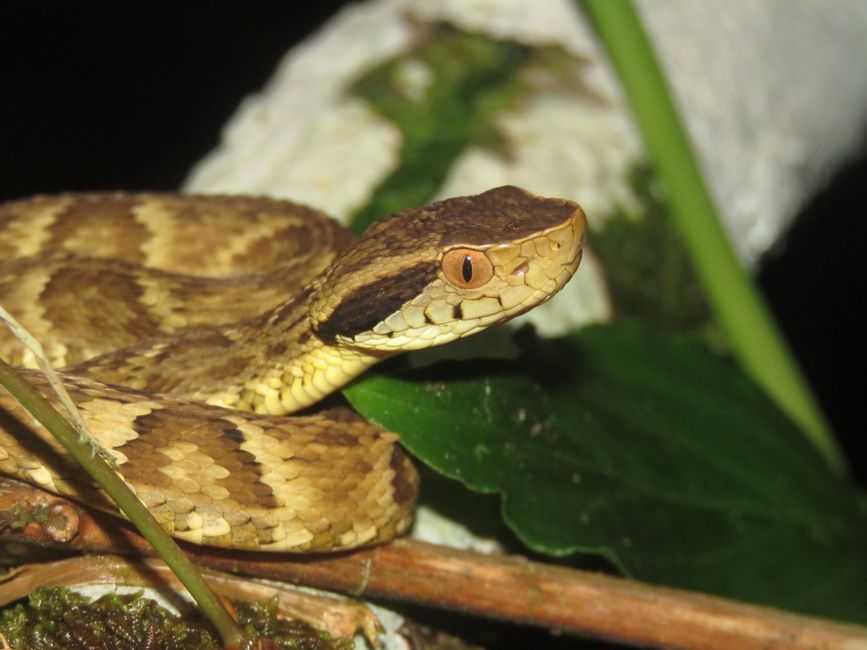 Venomous
Saw-scaled Viper
Echis carinatus
Small but among the deadliest snakes on earth, thought to cause more human deaths than any other. It rasps a warning by rubbing its serrated scales together.
 Venomous
Puff Adder
Bitis arietans
Responsible for the most snakebite deaths in Africa — not because it is the most venomous, but because it is common, well-camouflaged and slow to move off paths.
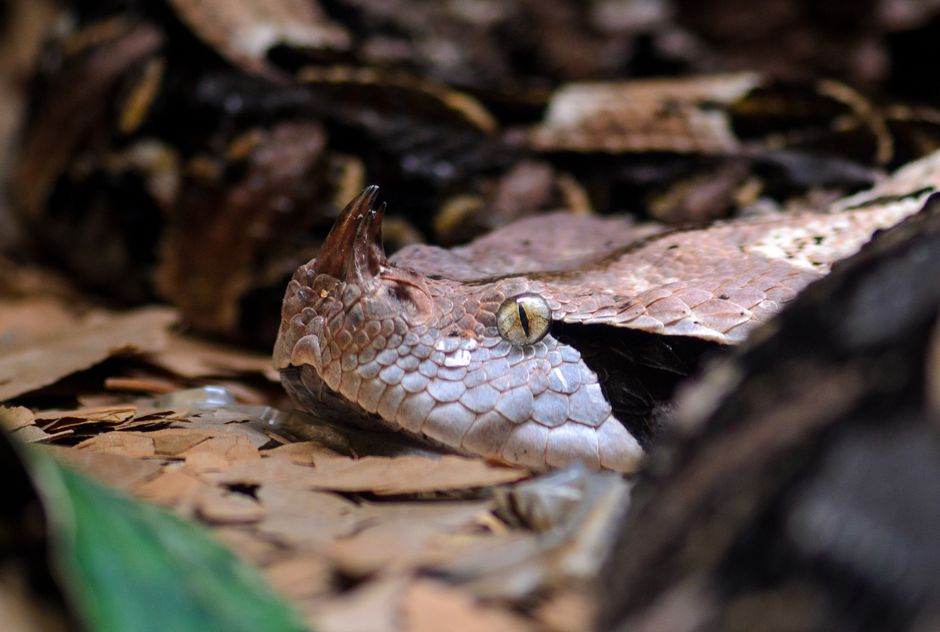 Venomous
Gaboon Viper
Bitis gabonica
A massive, ornately patterned forest viper with the longest fangs and one of the highest venom yields of any snake. Slow and placid, but a bite is catastrophic.
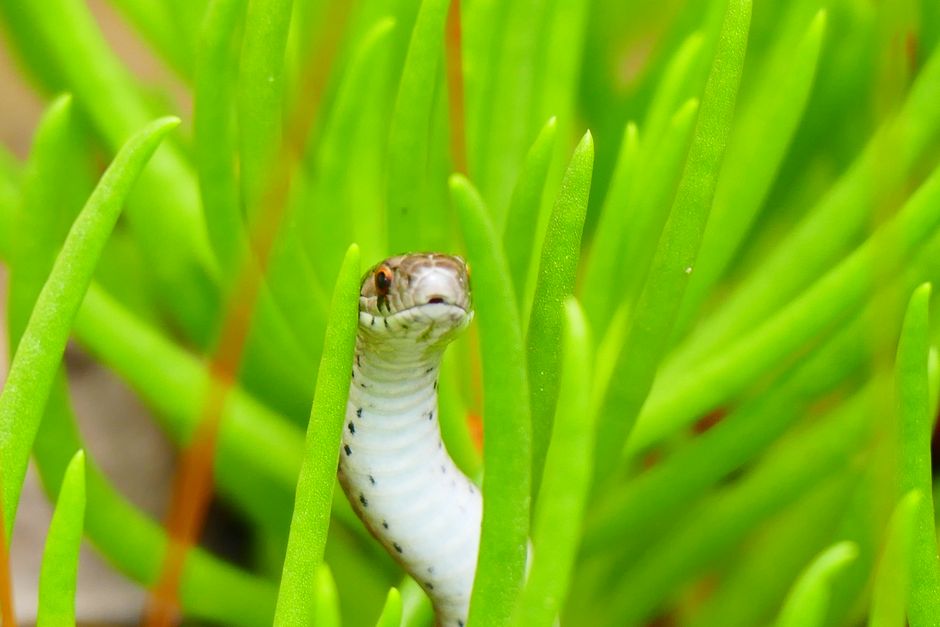 Venomous
Boomslang
Dispholidus typus
A slender, large-eyed tree snake with rear fangs and potent hemotoxic venom. Shy and reluctant to bite, but bites can be deadly with dangerously delayed symptoms.
Harmless look-alikes
These beneficial snakes are frequently — and needlessly — killed because they resemble venomous species.
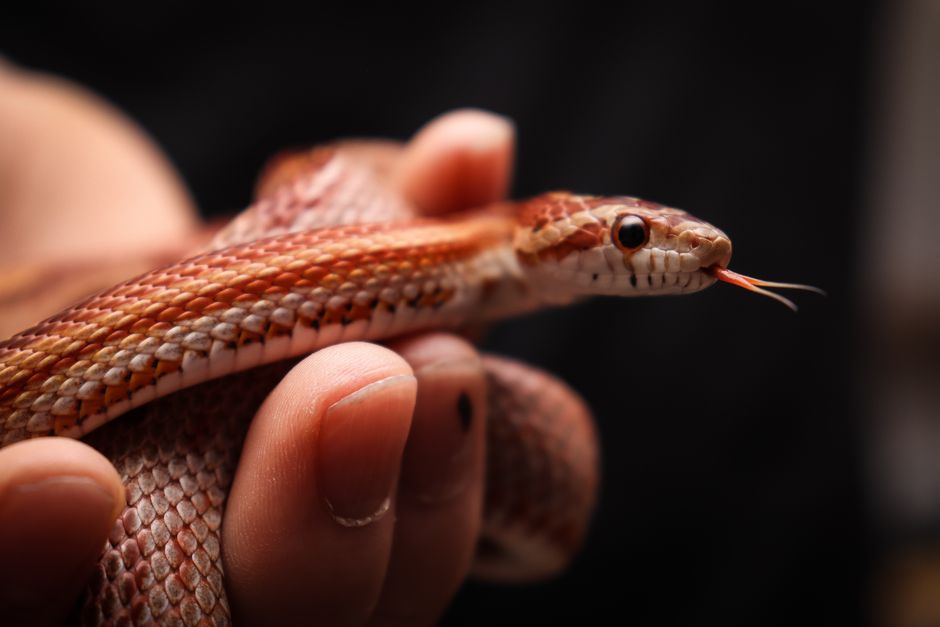 Non-venomous
Corn Snake
Pantherophis guttatus
A harmless, beneficial constrictor and one of the most popular pet snakes in the world. Frequently mistaken for the venomous copperhead.
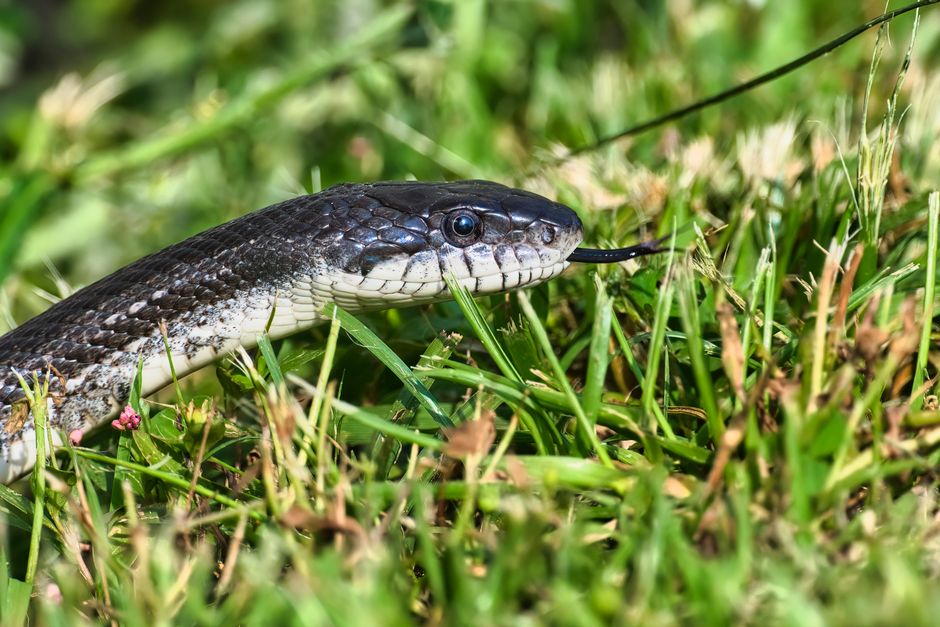 Non-venomous
Eastern Ratsnake
Pantherophis alleghaniensis
A large, harmless constrictor and one of the best natural rodent controllers around homes and farms. Juveniles are gray and blotched, leading to copperhead confusion.
 Non-venomous
Northern Watersnake
Nerodia sipedon
A harmless aquatic snake constantly killed out of fear that it is a cottonmouth. It bites readily when grabbed but has no venom.
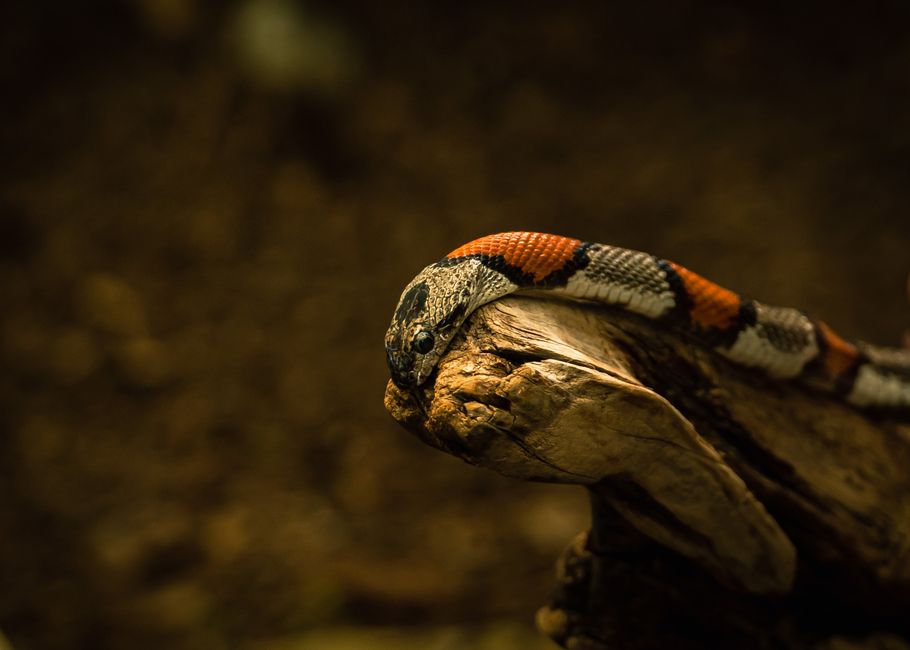 Non-venomous
Scarlet Kingsnake
Lampropeltis elapsoides
A harmless coral snake mimic. Its red bands touch black bands — 'red touches black, friend of Jack' — separating it from the venomous coral snake.
 Non-venomous
Gopher Snake
Pituophis catenifer
A large harmless constrictor that imitates a rattlesnake by hissing loudly, flattening its head and vibrating its tail. No rattle and round pupils give it away.
 Non-venomous
Ball Python
Python regius
The world's most popular pet snake. A docile, non-venomous constrictor that curls into a tight ball when frightened — hence the name.
 Non-venomous
Burmese Python
Python bivittatus
One of the largest snakes on earth and a destructive invasive species in Florida. Non-venomous but a powerful constrictor that can pose a risk to pets and, rarely, people.
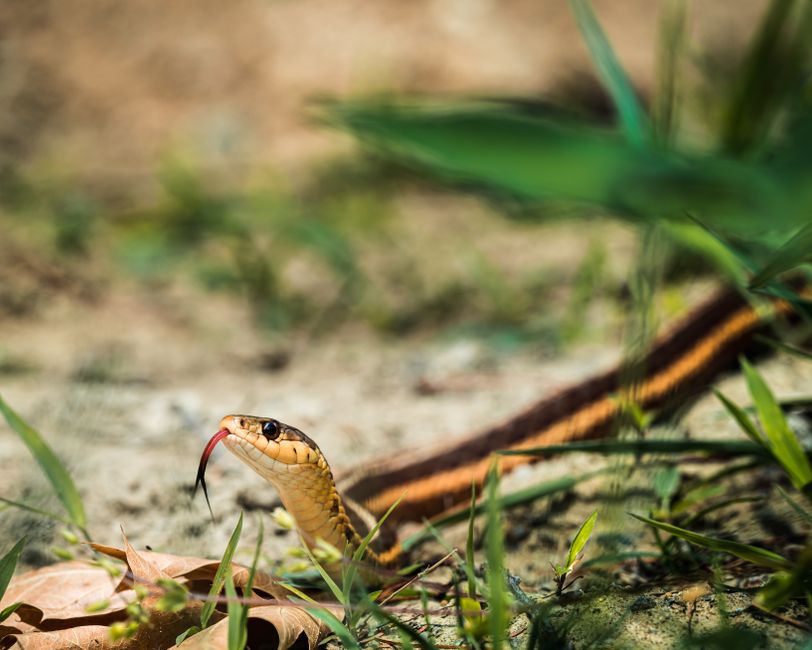 Non-venomous
Eastern Ribbon Snake
Thamnophis saurita
A slender, harmless relative of the garter snake with crisp stripes and a notably long tail. Common around water but completely harmless.
Venomous snake FAQ
How can you tell if a snake is venomous?+
In North America, most venomous snakes are pit vipers with a broad triangular head, vertical (cat-like) pupils, a heat-sensing pit between the eye and nostril, and (in rattlesnakes) a rattle. Coral snakes are the exception — they have round pupils and bright red, yellow and black rings. However, several harmless snakes mimic these traits, so use a photo identifier and your location rather than relying on any single feature.
What is the most dangerous snake in the US?+
The Eastern Diamondback Rattlesnake is the largest and one of the most dangerous venomous snakes in the United States, while the Western Diamondback is responsible for the most snakebite deaths. Coral snakes have the most potent venom drop-for-drop but rarely bite.
Are baby venomous snakes more dangerous?+
It's a myth that baby venomous snakes are more dangerous than adults. Juveniles can control their venom and simply deliver far less of it. That said, any bite from a venomous snake — adult or juvenile — is a medical emergency.
Found a snake you can't identify? Use the snake identifier for an instant venomous-or-harmless verdict.