Identify This Caterpillar: The Complete Guide to Caterpillar Identification
Why You Need to Identify This Caterpillar Before Touching It
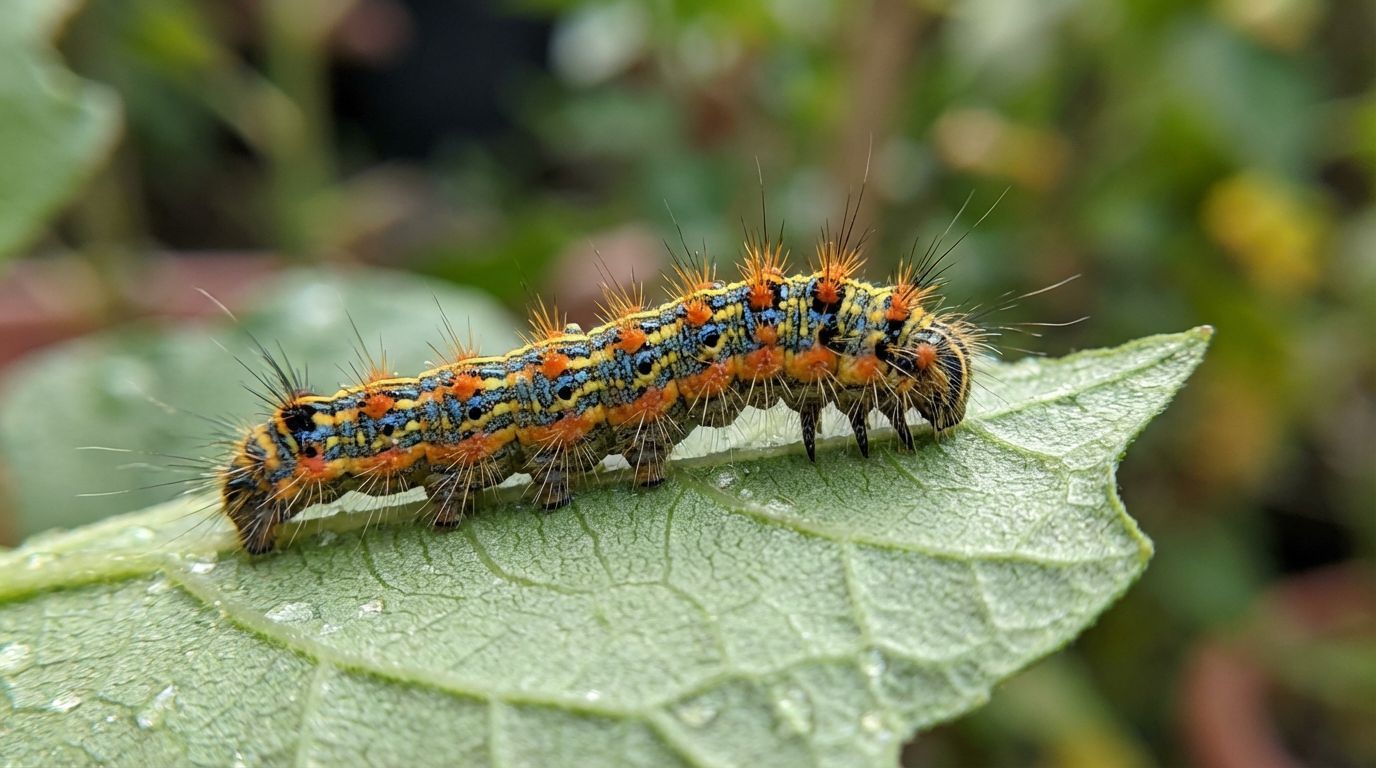
If you have ever spotted a fuzzy, colorful, or strange-looking larva crawling across your garden path, your first instinct might be curiosity — or caution. Knowing how to identify this caterpillar correctly before you touch it or move it could make a real difference. Some caterpillars are completely harmless and even beneficial to your garden ecosystem, while others carry venomous spines, irritating hairs, or are indicators of a serious pest infestation. The ability to quickly and accurately identify a caterpillar species is a valuable skill for gardeners, hikers, parents, and nature enthusiasts alike. Beyond personal safety, proper identification also helps you make informed decisions about pest control, conservation, and the health of your plants. For example, destroying the caterpillar of a monarch butterfly would eliminate a future pollinator, while leaving a tomato hornworm to munch through your vegetable garden unchecked could devastate your harvest. In this comprehensive guide, we will walk you through everything you need to know about caterpillar identification — from physical features to look for, to the best digital tools that can help you get an accurate answer in seconds.
Key Physical Features to Look for When You Identify This Caterpillar
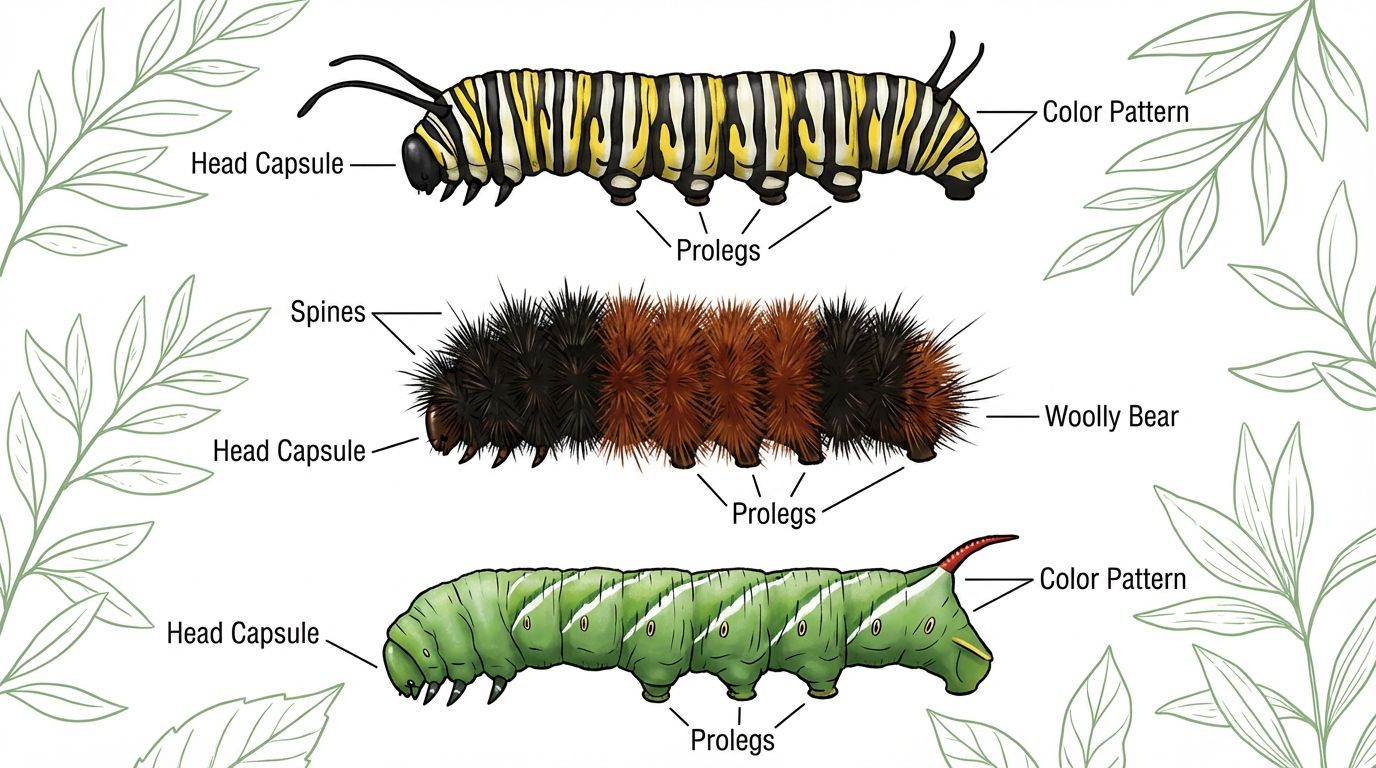
When you are trying to identify this caterpillar, a systematic approach to observing its physical characteristics will dramatically narrow down the possibilities. Start with body color and pattern — this is often the most obvious distinguishing feature. A bright yellow and black striped caterpillar might be a monarch, while a fuzzy brown and orange banded larva could be a woolly bear. Next, pay close attention to body texture. Does the caterpillar have smooth, shiny skin? Dense, soft hair? Stiff, spine-like bristles? Or sharp, thorn-like tubercles? Texture is a critical identifier. Spiny caterpillars, for example, often belong to the brushfoot butterfly family, while hairy or woolly caterpillars frequently become tiger moths. Body shape and size also matter greatly. Some caterpillars are slender and twig-like (inchworms or geometrid moth larvae), while others are fat and grub-like (sphinx moth caterpillars). Look for distinctive markings such as eye spots, horns, tails, or saddle-shaped patches on the back. Notice where you found it too — on a specific plant, tree, or shrub — because many caterpillar species are host-plant specialists. A caterpillar feeding on milkweed is almost certainly a monarch. One found on tomato plants is likely a tomato hornworm. The number of prolegs (fleshy false legs) on the abdomen can also be helpful; most caterpillars have five pairs, while inchworms have fewer, giving them their distinctive looping gait. Finally, note the caterpillar's behavior — does it curl into a ball when threatened, drop on a thread, or rear up defensively? These behavioral clues add another layer of identification data.
Common Caterpillars You Might Encounter and How to Identify Them
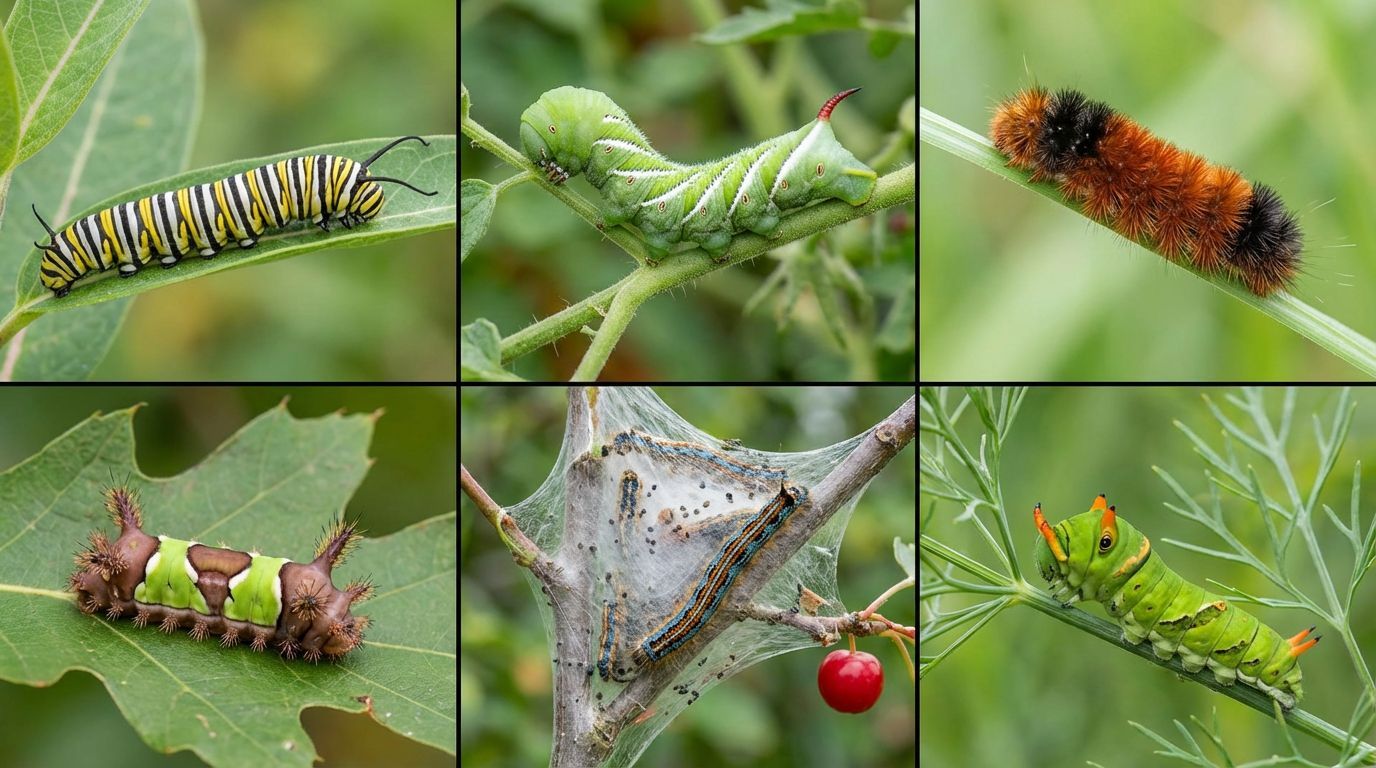
North America and Europe are home to thousands of caterpillar species, but a handful show up in gardens, parks, and forests more regularly than others. Here is a quick guide to help you identify this caterpillar if it matches one of the most commonly spotted species. The Monarch Butterfly Caterpillar is unmistakable — it sports bold yellow, white, and black horizontal stripes and is almost always found on milkweed plants. It is completely harmless and should never be disturbed. The Tomato Hornworm is a large, bright green caterpillar with white diagonal stripes along its sides and a distinctive horn on its rear end. It is a serious garden pest that feeds on tomatoes, peppers, and eggplants. The Wooly Bear Caterpillar, future Isabella tiger moth, has dense black hair at both ends and a rusty-orange band in the middle — it is frequently seen crossing roads in autumn. The Saddleback Caterpillar is one to avoid — it has a vivid green patch on its back that resembles a saddle and is covered in venomous spines that can cause painful stings. The Eastern Tent Caterpillar forms large, silky web nests in the forks of tree branches, particularly cherry and apple trees, and is recognizable by its black body with white and blue markings. The Cabbage Looper is a pale green, smooth-skinned caterpillar that moves in a characteristic looping motion and is a common vegetable garden pest. The Buck Moth Caterpillar is particularly dangerous — it is dark-colored with rows of venomous spines and should never be handled with bare hands. The Spicebush Swallowtail Caterpillar is a fascinating species that looks like a tiny snake, complete with large false eyespots near its head. Understanding these common species gives you a solid foundation, but for less common or regional species, you will need a more powerful identification resource.
Dangerous vs. Harmless: Knowing the Difference When You Identify This Caterpillar
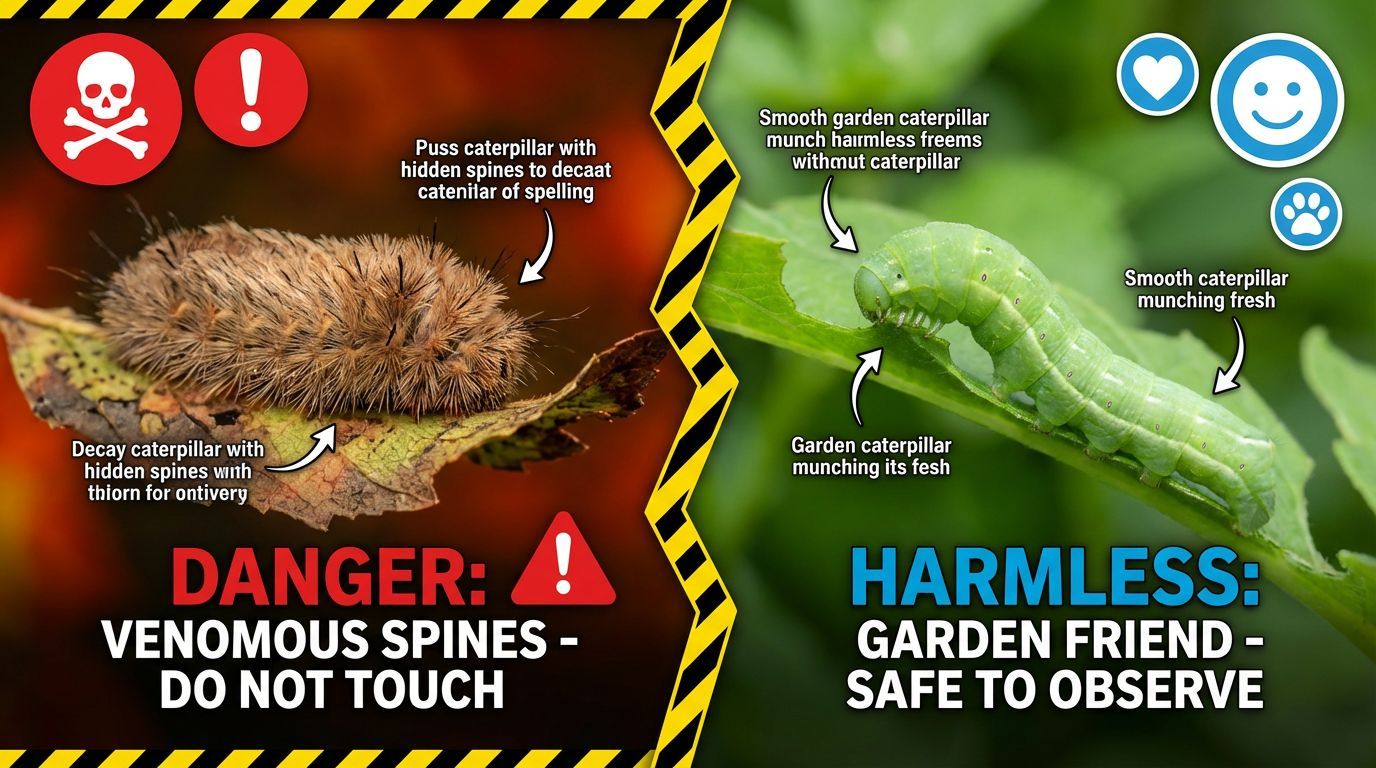
Not all caterpillars are created equal when it comes to safety, and knowing the difference could spare you or your children a painful or medically significant encounter. When you need to identify this caterpillar quickly for safety reasons, certain warning signs should put you immediately on alert. Brightly colored caterpillars — especially those displaying red, orange, yellow, or vivid combinations — are often using aposematic coloration, a biological warning signal that tells predators (and humans) to keep away. This does not mean every bright caterpillar is dangerous, but it is a reliable red flag worth heeding. Heavily spined or bristled caterpillars are another major warning sign. Species such as the Puss Caterpillar (also known as the Asp Caterpillar), the Io Moth Caterpillar, and the Hag Moth Caterpillar all possess venomous spines concealed within their fuzzy or hairy appearance. Contact with these spines can cause intense burning pain, redness, swelling, and in sensitive individuals, nausea or allergic reactions. The Puss Caterpillar is considered one of the most venomous caterpillars in the United States and looks deceptively soft and fluffy. Hairy caterpillars of any kind warrant caution even if they are not venomous, as their hairs can cause skin irritation and eye damage. On the other hand, smooth, green caterpillars found feeding on common garden plants are typically harmless pest species that require no medical concern — though they may still damage your plants. The golden rule is simple: if you cannot confidently identify this caterpillar as a known harmless species, do not touch it with your bare hands. Use gloves, a stick, or a digital identification app to get more information before making contact.
Use the IdentifyThis App to Instantly Identify This Caterpillar
In the age of smartphones and artificial intelligence, you no longer need to be an entomologist to accurately identify this caterpillar. The IdentifyThis Bug App, available at identifythis.app/identify-this-bug-app, is one of the most powerful and user-friendly tools available for instant insect and caterpillar identification. The process is incredibly simple: open the app, snap a clear photo of the caterpillar, and within moments receive a detailed identification report that includes the species name, common name, potential danger level, host plants, geographic range, and even information about the adult butterfly or moth it will eventually become. This makes it an invaluable tool for gardeners who need to make quick pest management decisions, parents whose children have encountered an unknown caterpillar, hikers exploring unfamiliar territories, educators looking for interactive nature tools, and wildlife enthusiasts building a personal observation log. The IdentifyThis Bug App uses advanced image recognition technology trained on thousands of insect and larval specimens, which means its accuracy rivals that of field guides — and it fits in your pocket. Unlike static field guides that may be geographically limited or outdated, the app is continuously updated with new species data and regional variations. It also works for other insects, making it a comprehensive companion for any outdoor adventure. Whether you are dealing with a potential garden pest, a fascinating nature find, or a potential safety concern, the IdentifyThis Bug App gives you fast, reliable answers backed by scientific data. Next time you find yourself wondering how to identify this caterpillar on your tomato plants or your hiking trail, let technology do the hard work for you.
Caterpillar Identification Tips for Gardeners: Managing Pests While Protecting Pollinators
For gardeners, learning to identify this caterpillar accurately is not just an intellectual exercise — it has direct practical implications for plant health and biodiversity. The most effective garden management strategy hinges on distinguishing between pest caterpillars that need to be controlled and beneficial or benign species that should be left alone or even encouraged. Pest caterpillars to watch out for include the Cabbage White Butterfly larva (a pale green caterpillar that devastates brassica crops), the Corn Earworm (which bores into corn ears and tomato fruits), the Eastern Tent Caterpillar (which defoliates fruit trees), and the Fall Webworm (which forms large web nests on a wide variety of deciduous trees late in the season). These species may require intervention through manual removal, targeted biological controls like Bacillus thuringiensis (Bt), or other organic pest management methods. On the flip side, the caterpillars of monarch butterflies, swallowtail butterflies, luna moths, and cecropia moths are species worth protecting and celebrating. Planting native host plants — such as milkweed for monarchs, parsley and dill for black swallowtails, and wild cherry for cecropia moths — actively supports these beautiful creatures through their larval stages. A smart gardener uses identification as the first step in every pest or caterpillar encounter, never resorting to broad-spectrum pesticides that kill beneficial larvae alongside harmful ones. Keeping a garden journal with photos of caterpillars you encounter, along with their host plants and dates, builds a valuable personal reference over time and contributes to broader citizen science efforts through platforms like iNaturalist.
Caterpillar to Butterfly or Moth: The Transformation That Makes Identification Rewarding
One of the most compelling reasons to invest time in learning to identify this caterpillar is the sheer wonder of understanding the full life cycle of the creature in front of you. Every caterpillar is a creature in transition — a larval stage of a butterfly or moth that will undergo one of nature's most spectacular transformations. When you successfully identify a caterpillar, you gain access to a much bigger story. Identifying a black swallowtail caterpillar on your fennel plant means you know to expect a stunning black and blue butterfly to emerge weeks later. Recognizing a cecropia moth caterpillar — plump, green, and jewel-studded — prepares you for the largest moth in North America to eventually emerge from a silken cocoon. This connection between larva and adult is deeply satisfying and educational, making caterpillar identification a gateway into broader entomological curiosity. For families with children, the caterpillar-to-butterfly journey is one of the most engaging and accessible science experiences available in the natural world. Consider building a simple butterfly or moth garden that provides both host plants for caterpillars and nectar sources for adults. Document your observations with photos at each life stage, and use tools like the IdentifyThis Bug App to match larvae with their adult counterparts. The more you practice identifying caterpillars, the more fluent you become in reading the living landscape around you — recognizing not just species, but ecological relationships, seasonal cycles, and the health of your local ecosystem. Caterpillar identification is truly the entry point to a lifetime of nature literacy.
Try It Now on IdentifyThis.app
Use our free AI-powered tool to identify this caterpillar instantly.
Try Free NowFrequently Asked Questions
How can I identify this caterpillar I found in my garden?
To identify a caterpillar you found in your garden, start by noting its key physical features: body color and pattern, texture (smooth, hairy, or spiny), size, any distinctive markings like eye spots or horns, and the plant it was feeding on. Take a clear, close-up photo if possible. You can then use a field guide specific to your region, submit your photo to a community science platform like iNaturalist, or use an AI-powered tool like the IdentifyThis Bug App at identifythis.app/identify-this-bug-app for fast, accurate identification. The combination of visual details and host plant information is usually enough to narrow down the species quickly.
Which caterpillars are dangerous to touch?
Several caterpillar species in North America pose a genuine physical risk and should never be handled with bare hands. The Puss Caterpillar (Asp Caterpillar) is considered the most venomous in the US and looks deceptively soft. The Saddleback Caterpillar, Io Moth Caterpillar, Buck Moth Caterpillar, and Hag Moth Caterpillar all have venomous spines that can cause burning, redness, swelling, and in some cases, nausea or allergic reactions. As a general rule, avoid touching any spiny, bristled, or brightly colored caterpillar until you have properly identified it. When in doubt, use the IdentifyThis Bug App to check the species before making contact.
What is the best app to identify this caterpillar from a photo?
The best app for caterpillar identification from a photo is the IdentifyThis Bug App, available at identifythis.app/identify-this-bug-app. It uses advanced AI image recognition to identify caterpillars and other insects from a smartphone photo in seconds. The app provides the species name, danger level, host plants, geographic range, and information about the adult butterfly or moth the caterpillar will become. It is continuously updated with new species data, making it more comprehensive than static field guides. Other options include iNaturalist and Seek by iNaturalist, but the IdentifyThis Bug App is specifically optimized for quick, reliable insect identification.
How do I tell if a caterpillar will become a butterfly or a moth?
Distinguishing whether a caterpillar will become a butterfly or a moth can be tricky without identification, but there are some general clues. Moth caterpillars are often hairier or fuzzier than butterfly caterpillars, though this is not a universal rule. The host plant is often a strong clue — butterfly caterpillars tend to feed on flowering plants and specific host species like milkweed (monarchs) or parsley (black swallowtails), while many moth caterpillars feed on trees, shrubs, or grasses. The most reliable approach is to identify the specific caterpillar species using the IdentifyThis Bug App or a field guide, which will immediately tell you the adult species it belongs to and whether it is a butterfly or moth.
Are hairy caterpillars always poisonous?
No, hairy caterpillars are not always poisonous or venomous, but many do warrant caution. The Woolly Bear Caterpillar, for example, is completely harmless despite its dense, bristly appearance and is safe to handle. However, caterpillars like the Puss Caterpillar, Browntail Moth Caterpillar, and White-Marked Tussock Moth Caterpillar have hairs that are either venomous or can cause significant skin irritation, rashes, and eye damage. Even hairs from non-venomous hairy caterpillars can cause mild skin irritation in sensitive individuals. The safest approach is to identify any hairy caterpillar before handling it. Use the IdentifyThis Bug App to quickly determine the species and its safety profile before making contact.