Aloe Vera Care: The Complete Guide to a Healthy, Thriving Plant
Aloe barbadensis miller
Aloe vera is one of the most forgiving succulents you can own — until you love it too much with water. Learn the exact conditions this desert native needs to stay plump, upright, and ready to use.
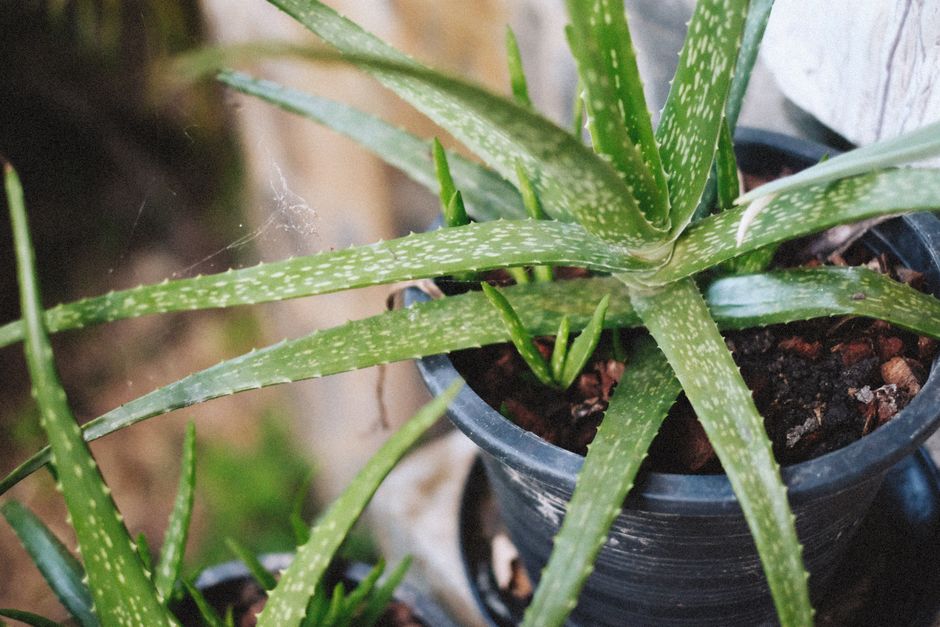
Aloe vera (Aloe barbadensis miller) is a stemless succulent native to the Arabian Peninsula that has been cultivated for millennia for its thick, gel-filled leaves. It is one of the most widely recognized houseplants on earth — prized equally for its sculptural rosette shape and the soothing gel inside its fleshy leaves. Most people keep one on a sunny windowsill for minor burns and skin care. The irony is that despite its reputation as nearly indestructible, aloe vera ends up in distress more often than almost any other common houseplant, usually because well-meaning owners water it on a schedule designed for tropical plants rather than a desert succulent.
The single biggest thing that determines whether your aloe vera thrives or slowly rots is water discipline — letting the soil dry out completely between waterings is non-negotiable. Close behind that is light: without a genuinely bright spot, aloe stretches and weakens within weeks. Get those two factors right, plant it in a fast-draining gritty mix inside a terracotta pot, and aloe vera will reward you with tight, firm leaves, regular offsets (called pups), and practically zero fuss for years.
How to Care for Aloe Vera
Watering
Aloe vera stores water in its leaves and roots, so it needs far less irrigation than most houseplants. During the active growing season — roughly April through September — water deeply every 2 to 3 weeks. In fall and winter, stretch that interval to every 4 to 6 weeks. The only reliable way to judge timing is by checking the soil, not the calendar: push a wooden skewer or your finger 2 inches into the mix. If it comes out clean and dry, it is time to water. If there is any moisture clinging to it, wait another 5 to 7 days and check again. When you do water, soak the soil thoroughly until water flows freely from the drainage holes, then empty the saucer within 30 minutes so roots never sit in standing water. Terracotta pots help enormously here because they wick away excess moisture through their walls, giving you a wider margin for error.
Light
Aloe vera needs genuine brightness to stay compact and healthy. Indoors, position it 1 to 3 feet from a south-facing or west-facing window where it receives at least 4 hours of direct sun each day. A south window is the gold standard in the Northern Hemisphere — place the pot directly on the sill or no more than 2 feet back. East-facing windows can work if the space is very unobstructed, but aloe will grow more slowly and may lean toward the glass. Avoid placing the plant deeper than 4 feet from any window; that light level is too low and causes the rosette to etiolate (stretch outward and flatten) within a few months. If your home lacks adequate natural light, a dedicated grow light set 6 to 8 inches above the plant on a 14-hour timer will fully compensate.
Soil & Feeding
Never use standard multipurpose potting compost on its own for aloe vera — it retains far too much moisture and will almost certainly trigger root rot. Instead, use a commercial cactus and succulent mix, or blend your own by combining 50% regular potting mix with 50% coarse perlite or horticultural grit. Plant in a pot with at least one large drainage hole; terracotta is strongly preferred over glazed ceramic or plastic. Repot every 2 to 3 years or whenever you see roots escaping the drainage hole or the plant becoming top-heavy. Choose a new pot only 1 to 2 inches wider than the root ball — too much extra soil volume holds moisture that the roots cannot use. Feeding requirements are minimal: apply a balanced liquid fertilizer diluted to half strength (e.g., a 10-10-10 formula at half dose) once in early spring and once in midsummer. Never fertilize in fall or winter.
Propagation
The easiest and most reliable way to propagate aloe vera is by dividing the pups — small offset rosettes — that naturally form around the base of a mature plant. Wait until each pup is at least 3 to 4 inches tall and has developed a few of its own roots. Step one: remove the entire mother plant from its pot and gently brush away soil from the base to expose where the pup attaches. Step two: use a clean, sharp knife to sever the pup from the mother plant, keeping as many roots intact as possible. Step three: set the pup aside in a dry, shaded spot for 24 to 48 hours so the cut end forms a callus — this dramatically reduces the risk of rot. Step four: pot the pup into a small terracotta container filled with cactus mix and do not water for 5 to 7 days. After that, water sparingly and place in bright indirect light for the first two weeks before moving it to full sun.
Common Problems & Fixes
Something already wrong? Upload a photo to our Plant Identifier and use Diagnose mode for a treatment plan specific to your plant.
Looks like: The lower leaves feel soft and waterlogged, appear almost see-through or yellowish-brown, and may collapse when touched. There may be a faint sour smell at soil level.
Fix: This is root rot caused by overwatering or poor drainage. Remove the plant immediately, cut away all black or brown mushy roots with sterile scissors, and let the plant air-dry for 2 days. Repot into fresh, dry cactus mix in a terracotta pot and do not water for at least 10 days. Adjust your watering schedule going forward — check soil moisture before every single watering session.
Looks like: The pointed tips of otherwise healthy-looking leaves turn tan or brown and become papery or crispy. The browning usually starts at the very tip and moves inward slowly.
Fix: The most common culprits are underwatering, low humidity, or fluoride and salt buildup from tap water. Switch to filtered or rainwater, flush the soil thoroughly every 3 to 4 months to clear mineral deposits, and ensure your watering cadence is consistent. Minor tip browning is cosmetic — you can trim the brown tips off with clean scissors at a slight angle if the appearance bothers you.
Looks like: The entire plant looks faded — leaves that should be a rich medium green appear almost lime-yellow or grey-green. The rosette may also be growing slower than usual.
Fix: This almost always means insufficient light. Move the plant to a brighter spot, ideally within 2 feet of a south or west-facing window. Transition gradually over 7 to 10 days if moving from a very dim location to direct sun, as sudden intense light can cause temporary sunscorch. Once under adequate light, color typically recovers within 4 to 6 weeks.
Looks like: Leaves spread wide and flatten out rather than pointing upward in a tight rosette. New growth appears elongated with wider spacing between leaves than normal. The plant may lean strongly toward a window.
Fix: The plant is reaching for light it is not getting enough of. Rotate the pot 90 degrees every 2 weeks to encourage upright growth, and move it significantly closer to your brightest window or introduce a supplemental grow light. Etiolated growth cannot be reversed on existing leaves, but new growth will be compact and upright once light levels are corrected.
Looks like: Small white fluffy clusters appear in the crevices between leaves (mealybugs) or a white powdery crust forms on leaf surfaces (mineral salt buildup). Mealybug colonies may also leave behind sticky residue.
Fix: For mealybugs, dab each individual cluster with a cotton swab soaked in 70% isopropyl alcohol, then spray the whole plant with a neem oil solution (2 teaspoons neem oil plus a few drops of dish soap per quart of water) once a week for 3 to 4 weeks. For mineral salt crust, switch to filtered or rainwater and flush the soil deeply two or three times in a row at the next watering session.
Aloe Vera FAQ
During spring and summer, water your aloe vera every 2 to 3 weeks, always waiting until the top 2 inches of soil are completely dry before watering again. In fall and winter, reduce this to every 4 to 6 weeks because the plant's growth slows and it uses very little water. The most important rule: always check the soil rather than following a rigid calendar schedule, since temperature, pot material, and pot size all affect how fast the mix dries.
Brown, dry leaf tips usually point to underwatering, mineral buildup from tap water, or very low humidity. Brown, mushy patches — especially at the base — almost always signal overwatering and root rot. Reddish or orange-brown coloration across the whole leaf often means the plant is receiving too much intense direct sun or is stressed by extreme heat. Diagnose by touching the affected area: dry and crispy means too little water or sun stress; soft and wet means too much water.
Aloe vera can survive in lower light for a period, but it will not thrive. Without at least 4 hours of bright light daily, the rosette stretches and flattens (etiolation), the leaves become thin and pale, and the plant becomes far more susceptible to rot because it processes water much more slowly. If you do not have a bright window, a full-spectrum LED grow light set 6 to 8 inches above the plant on a 14-hour daily timer is a reliable substitute.
The best mix for aloe vera drains extremely fast. A commercial cactus and succulent blend works well straight from the bag, or you can make your own by combining equal parts regular potting soil and coarse perlite. Avoid mixes that contain high amounts of peat or coir, as these stay wet for too long. Always plant in a container with at least one drainage hole, and opt for terracotta over plastic or glazed ceramic to allow passive moisture evaporation through the pot walls.
Yes. Aloe vera is toxic to both dogs and cats. The latex layer found just beneath the outer leaf skin contains saponins and anthraquinones that can cause vomiting, diarrhea, lethargy, and in significant quantities, more serious symptoms. The gel inside the leaf is much lower in these compounds but should still not be consumed by pets. Keep your aloe vera on a high shelf or in a room your pets cannot access, and contact your vet immediately if ingestion is suspected.
Pups are the small offset rosettes that emerge from the base of the mother plant, and removing them is straightforward. Wait until each pup is at least 3 to 4 inches tall. Remove the mother plant from its pot, gently clear soil from the connection point, and use a sharp sterile knife to cut the pup free — ideally keeping its own roots attached. Let the cut end callus over for 1 to 2 days in a shaded spot before potting it up in cactus mix. Removing pups also benefits the mother plant by reducing resource competition.
An aloe vera that tips sideways is usually either too large for its current pot (root-bound and top-heavy), planted in a pot that is too small at the base to support the rosette's weight, or has root rot that has destroyed the anchoring roots. Check the roots by removing the plant: firm white or tan roots are healthy, while brown mushy roots indicate rot. Repot into a slightly wider, heavier pot with fresh cactus mix and stake the plant temporarily if needed while it re-establishes.
Repot aloe vera every 2 to 3 years, or sooner if roots are visibly escaping the drainage hole or circling densely around the root ball. Spring is the ideal time. Choose a new pot only 1 to 2 inches wider in diameter than the current one — oversizing encourages waterlogged soil. Use fresh cactus mix, set the plant at the same depth it was growing before, and hold off watering for 7 to 10 days after repotting to allow any disturbed roots to recover and reduce the risk of rot.