Plant Identifier — Free Online Plant Identification
Upload a photo of any plant, leaf, or flower and our AI plant identifier names it in seconds — with care instructions, light and watering needs, and toxicity warnings. Works in your browser on any device. No app download.
Upload Your Image
Drag and drop your image here, or click to browse
Supports JPG, PNG, HEIC formats up to 10MB. Your images are processed securely and not stored.
Photographing more than plants? The same AI powers our free picture identifier, which names insects, animals, mushrooms, rocks, and everyday objects from a single photo.
How the Plant Identifier Works
Get close enough that the plant fills the frame. Flowers and leaves carry the most identification signal — shoot those first, in natural light if possible.
Take or choose the photo right on this page — phone, tablet, or computer. The AI analyzes leaf shape, flower structure, color patterns, and growth habit.
You receive the species (with the scientific name), why it matched, care requirements, and any toxicity warnings — not just a bare label.
What This Plant Identifier Can Recognize
From the mystery houseplant on your windowsill to the weed taking over the lawn — six categories cover nearly every "what plant is this?" question.

Monstera, pothos, philodendron, snake plant, fiddle-leaf fig — the identifier recognizes the popular houseplants and their commonly confused cousins, then tells you the light, water, and humidity each one actually needs. Especially useful for plants inherited without a label or bought from a clearance rack.
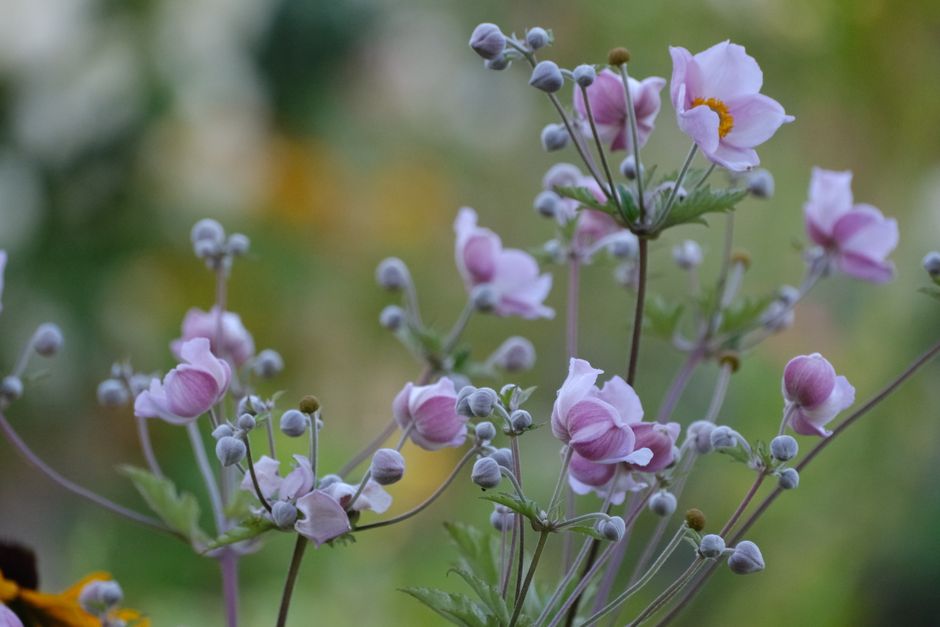
Identify flowers from a photo of the bloom, even without leaves visible. The AI reads petal count, shape, color pattern, and growth habit to separate look-alikes — dahlia vs zinnia, daisy vs chamomile — and tells you whether it's an annual or perennial in your region.
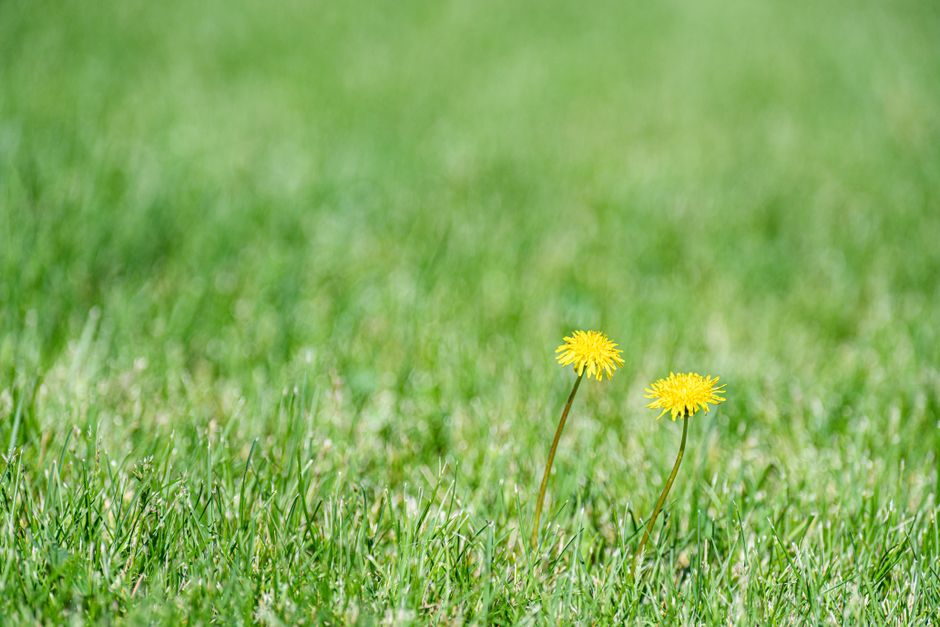
Before you spray anything, identify it. Some 'weeds' are beneficial natives or edibles; others — like poison ivy, giant hogweed, or wild parsnip — need careful handling. The identifier flags skin-hazard species and tells you which control method works for the specific weed.
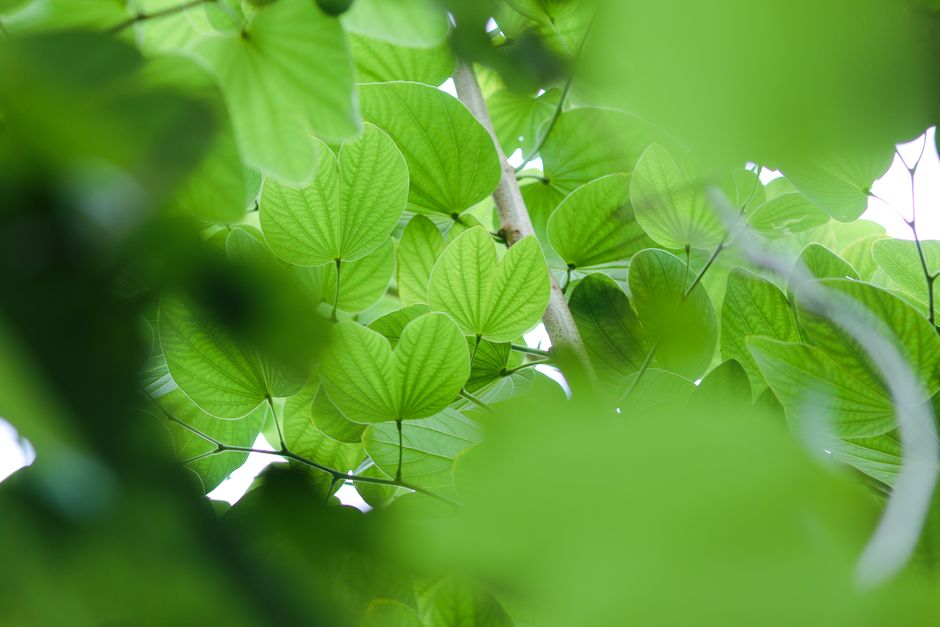
A clear photo of a leaf is usually enough — the AI reads leaf shape, margin, vein pattern, and arrangement. Bark and overall form photos help in winter. Useful for identifying a mystery tree before pruning, or checking whether berries on a shrub are the edible kind.
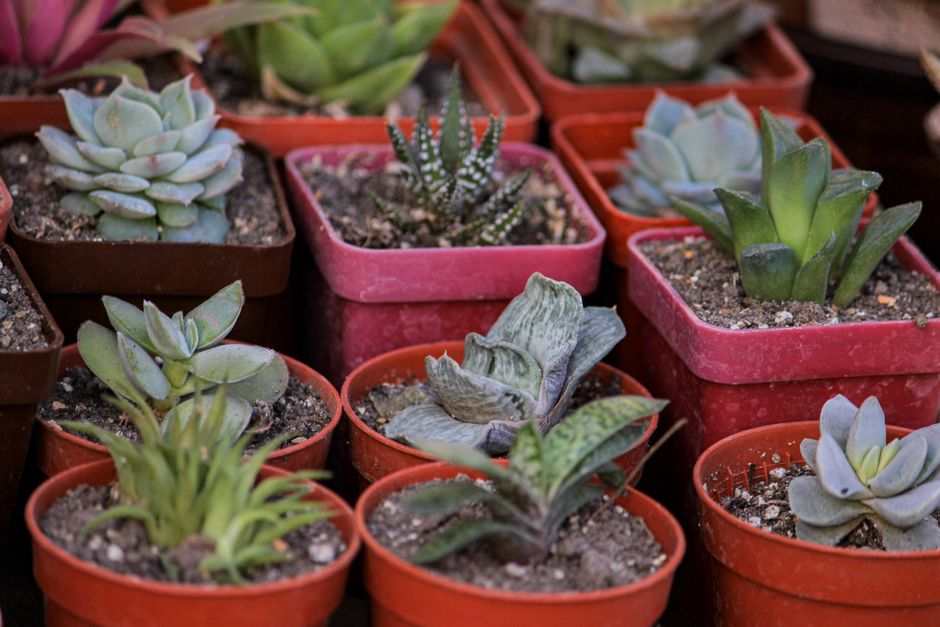
The hardest group to identify by eye — hundreds of echeveria, sedum, and haworthia varieties look nearly identical. Photo identification works from rosette shape, leaf thickness, and coloring, and matters because watering needs differ sharply between look-alike species.
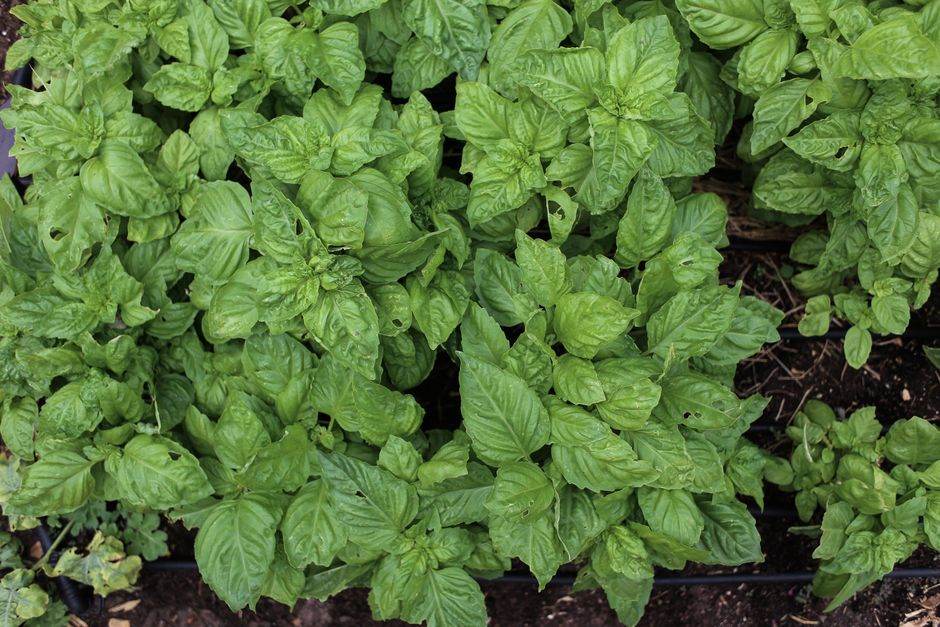
Confirm what's actually growing in the herb bed — cilantro vs flat-leaf parsley, oregano vs marjoram. For anything you plan to eat, treat AI identification as the first check, not the last: verify edibles with a second source before consuming, especially anything foraged.
Photo Tips for Accurate Identification
Identification quality follows photo quality. The AI reads the same features a botanist would — so give it the features a botanist would ask to see:
Why Use This Plant Identifier?
Most plant identifier apps make you download something, sit through a trial that auto-converts to a $39.99/year subscription, and identify plants only. This one runs in the browser you're already using, gives you a free identification to judge the quality yourself, and the same account covers everything else you'll ever point a camera at — bugs, mushrooms, trees, coins, dog breeds.
The results are also built differently. Instead of a bare species label, you get the reasoning — which leaf and flower features matched — plus care requirements and toxicity warnings where they matter. That context is the difference between knowing your plant's name and knowing what to do with it.
All Our Plant & Garden Identifiers
Specialized tools for every green (and not-so-green) thing in your life.
Our full plant identification app — the PictureThis alternative
Identify flowers with care guides
Name lawn invaders before treating
Confirm what's in the herb bed
Identify trees from a single leaf
Tell look-alike succulents apart
Leaves, bark, and form
Fungi with safety warnings
Plant Identifier FAQ
Yes — your first identification is free after a quick Google sign-in, with no credit card. Unlimited identifications cost $6.99/year, which covers every category we identify: plants, flowers, trees, mushrooms, bugs, and more. That's a fraction of single-category plant apps like PictureThis ($39.99/year for plants only).
Accuracy is highest for common houseplants, garden flowers, and trees photographed clearly in good light — typically the AI names the right species or genus and explains which visual features led to the match. Accuracy drops for seedlings, damaged plants, and rare cultivars, which is true of every photo-based identifier. For high-stakes calls (edibility, pet toxicity), always verify with a second source.
Fill the frame with the most distinctive part of the plant — flowers first if present, otherwise a clear leaf shot showing the shape and edges. Natural daylight beats indoor lighting, and a plain background helps. If the first result seems off, try a second photo of a different feature: leaf arrangement, bark, or the whole plant's growth habit.
Yes. Leaf shape, margin (smooth, toothed, lobed), vein pattern, and how leaves attach to the stem are among the strongest identification signals. A sharp photo of a single leaf on a plain background is often enough for trees and shrubs. For our dedicated leaf workflow, see the leaf identifier.
After identifying the species, the results include known toxicity information for pets and people where relevant. Treat this as a first screen: if your pet has already chewed an unknown plant, don't wait for an app — call your vet or the ASPCA Animal Poison Control Center at (888) 426-4435 with the photo in hand.
It depends on what you need. Google Lens is free and fast but returns a label without care details. PlantNet is free and strong for wild flora but contributes your photos to a research dataset. PictureThis is polished but pushes a $39.99/year subscription after the trial. Our identifier gives a free identification with detailed care information in your browser — and the paid tier covers far more than plants.
Three ways: no app download (works in any browser), broader coverage (the same account identifies bugs, mushrooms, trees, coins, and more — PictureThis does plants only), and price ($6.99/year vs $39.99/year, with no auto-converting trial). PictureThis has a more polished native app and offline mode. Full comparison in our PictureThis review.
Yes — photograph the affected leaves and the identification includes likely causes for common symptoms: yellowing (usually watering or light), brown crispy edges (humidity or salt buildup), spots (fungal or bacterial), webbing (spider mites), and sticky residue (aphids or scale). You'll get the probable cause plus the standard fix.
Yes. The AI is trained on global flora and handles European, Asian, Australian, and tropical species. Identification quality follows how distinctive and well-documented the species is, not geography — common ornamentals and garden plants identify well worldwide.
No. The identifier runs entirely in your web browser on any phone, tablet, or computer. Open the page, upload or take a photo, and the result appears in seconds. Nothing to install, no storage used, no app updates.
Photos are analyzed to produce the identification and are not stored in a database tied to your identity. We treat what's growing in your garden as your business.
Mushrooms are fungi, not plants, and get their own specialized identifier with toxicity warnings and look-alike alerts — important because several deadly species closely resemble edible ones. Never eat a wild mushroom based on any app identification alone.
Explore More Plant Guides & Identifiers
Already know your plant? Jump to its care guide. Looking for something more specific? Use one of our focused identifiers below.