Monstera Deliciosa Care: The Complete Guide to a Thriving Swiss Cheese Plant
Monstera deliciosa
Monstera deliciosa is one of the most rewarding houseplants you can grow — but getting the watering and light balance right makes all the difference. This guide gives you the exact steps to keep those iconic split leaves looking their best.
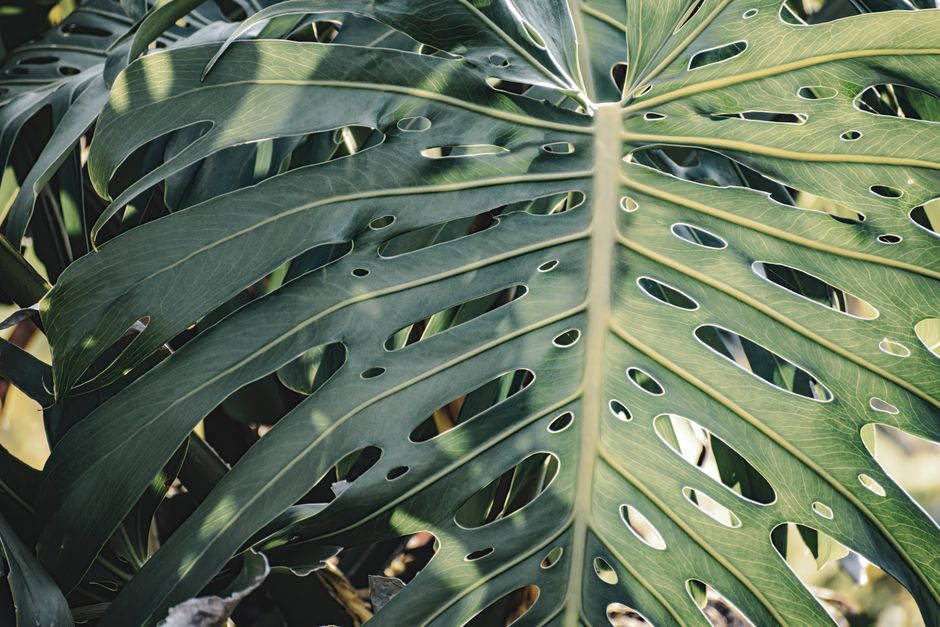
Monstera deliciosa — commonly called the Swiss Cheese Plant or split-leaf philodendron — is a tropical climbing vine native to the rainforests of southern Mexico and Central America. Its deeply fenestrated, glossy green leaves have made it a design icon and one of the best-selling houseplants in the world. People adore it for its dramatic, architectural presence and the way it transforms even a modest living room into something lush and tropical. Where owners struggle is in replicating the plant's natural environment indoors: it wants more light than most rooms provide, more humidity than most homes offer, and soil that drains faster than standard potting mix. Get those three things right, and this plant is genuinely hard to kill.
The single most important factor in monstera deliciosa care is avoiding overwatering. More monsteras die from soggy roots than from any other cause. Close behind that is insufficient light — a plant kept more than six feet from a window will survive but grow slowly, producing small leaves with few or no splits. Third is pot selection: a pot without drainage holes is almost a guarantee of root rot. Nail those three fundamentals — let the soil partially dry between waterings, position the plant in bright indirect light, and always use a pot with drainage — and your monstera will reward you with rapid, spectacular growth.
How to Care for Monstera Deliciosa
Watering
During the active growing season (April through September), water your monstera deliciosa every 7–10 days. In autumn and winter, stretch that to every 12–14 days. Rather than relying on a fixed calendar, use the finger-test method: push your index finger 2 inches into the soil. If the soil at that depth feels moist or cool, wait two to three more days and check again. Water only when those top 2 inches feel dry. When you do water, do it thoroughly — pour slowly and evenly until water runs freely from the drainage holes, then empty the saucer after 30 minutes so the roots never sit in standing water. Use room-temperature water; cold tap water can shock tropical roots. If your tap water is heavily chlorinated, let it sit uncovered overnight before watering. The goal is a consistent wet-dry cycle, not perpetually damp soil.
Light
Monstera deliciosa thrives in bright, indirect light for 6–8 hours a day. The ideal placement is 3–5 feet away from a south-facing or east-facing window, where the plant receives strong ambient light without direct midday sun hitting the leaves — direct sun for more than an hour or two can scorch the foliage, leaving pale, papery patches. A north-facing window is generally too dim unless it is very large and unobstructed; in that case, supplement with a full-spectrum grow light placed 12 inches above the plant for 10–12 hours per day. A key sign your monstera needs more light is new leaves emerging smaller than older ones and remaining uncut — those characteristic splits (fenestrations) only develop reliably when the plant receives adequate brightness. Rotate the pot 90 degrees every two to three weeks to promote even, balanced growth on all sides.
Soil & Feeding
Standard potting mix holds too much moisture for monstera deliciosa. Build your own blend by combining two parts high-quality potting soil, one part perlite, and one part orchid bark (or coarse coco chips). This creates a chunky, aerated medium that drains within seconds of watering while still retaining enough moisture for root uptake. Always choose a pot with at least one drainage hole; terracotta pots are excellent because they wick excess moisture through their walls. Repot every one to two years in spring, moving up only one pot size (typically 2 inches wider in diameter) at a time — oversized pots hold excess moisture and increase root rot risk. Feed with a balanced liquid fertilizer at half the recommended label strength (look for an N-P-K around 20-20-20 or 10-10-10) once a month from April through August. Do not fertilize in autumn or winter when growth naturally slows.
Propagation
The most reliable way to propagate monstera deliciosa is by stem cutting in water. Follow these steps: First, identify a healthy stem segment that includes at least one node — the slightly raised, brownish joint where a leaf meets the stem — and ideally one aerial root already emerging from that node. Using clean, sharp scissors or pruning shears sterilized with rubbing alcohol, cut 1–2 inches below the node. Remove any leaves that would sit below the waterline. Place the cutting in a clear glass or jar filled with room-temperature water, positioning it so the node is submerged but no leaves touch the water. Set the jar in a warm spot (70–80°F) with bright indirect light. Change the water every five to seven days to prevent bacterial buildup. Roots typically appear within three to six weeks. Once roots reach 2–3 inches long, pot the cutting into your standard monstera soil mix.
Common Problems & Fixes
Something already wrong? Upload a photo to our Plant Identifier and use Diagnose mode for a treatment plan specific to your plant.
Looks like: Leaves turn uniformly yellow, starting with lower or older leaves first. The yellowing may be patchy or affect the entire leaf blade, and the soil often feels wet or waterlogged.
Fix: Yellowing is the classic sign of overwatering. Allow the soil to dry out more thoroughly between waterings — follow the 2-inch finger-test before reaching for the watering can. Check the drainage holes are unobstructed and that the saucer is emptied after watering. If the problem is severe, remove the plant from its pot, trim any brown mushy roots with sterile scissors, dust the cut ends with powdered cinnamon (a natural antifungal), and repot into fresh, dry soil mix.
Looks like: The very tips or margins of leaves turn brown, dry, and crispy, while the rest of the leaf stays green. Affected areas do not feel soft or mushy.
Fix: Brown crispy tips almost always signal low humidity or inconsistent watering. Increase humidity to at least 50% by placing a humidifier nearby, grouping the monstera with other plants, or setting the pot on a pebble tray filled with water (keeping the pot base above the waterline). Avoid placing the plant near heating or air-conditioning vents, which blast dry air directly at the foliage. Brown tips cannot be reversed, but you can trim them off with clean scissors at a slight diagonal angle to maintain a natural look.
Looks like: The plant wilts even when the soil is moist, lower leaves yellow rapidly, and the stem base or roots appear brown, soft, and may smell musty or sulfuric when the plant is removed from its pot.
Fix: Act immediately. Remove the plant from its pot and rinse the root ball under lukewarm water. Use sterile scissors or pruning shears to cut away all brown, mushy roots until only firm, white, or tan roots remain. Let the roots air-dry for 30–60 minutes. Repot into fresh, dry, well-draining mix in a clean pot. Hold off watering for five to seven days to let the root system stabilize, then resume a careful watering routine using the finger-test method. Improve drainage by adding more perlite to your soil mix going forward.
Looks like: New leaves emerge solid and uncut, resembling heart-shaped philodendron leaves rather than the iconic Swiss-cheese pattern. The plant may otherwise look healthy and green.
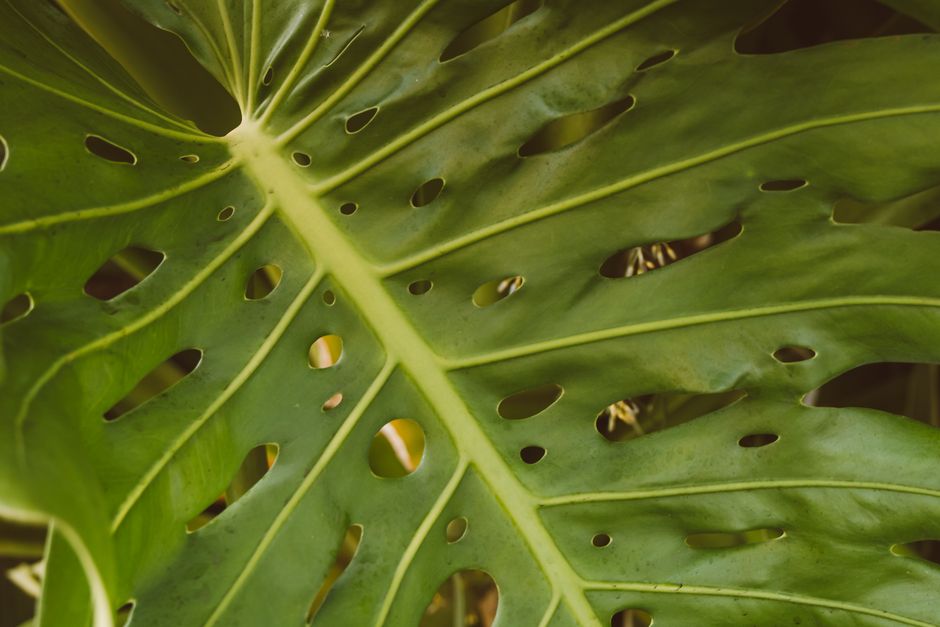
Fix: Lack of fenestration is almost always a light problem. Monstera deliciosa needs consistent bright indirect light to develop cuts and holes — move the plant to within 3–5 feet of a south or east-facing window, or add a full-spectrum grow light. Note that juvenile plants naturally produce solid leaves regardless of light levels; fenestration typically begins once the plant is large enough and has several mature leaves. Patience combined with brighter conditions usually resolves this within two to three growth cycles.
Looks like: Spider mites leave fine webbing on the undersides of leaves and cause stippled, faded patches. Scale insects appear as small brown bumps along stems. Mealybugs look like white cottony clusters in leaf axils and along the midrib.
Fix: Isolate the affected plant immediately to prevent spread. For spider mites, wipe both sides of all leaves with a damp cloth, then spray thoroughly with a neem oil solution (2 teaspoons neem oil, 1 teaspoon dish soap, 1 quart water) every five to seven days for three weeks. For scale, dab individual insects with a cotton swab dipped in 70% isopropyl alcohol, then follow up with a neem oil spray. For mealybugs, remove colonies manually with alcohol-dipped cotton swabs, then apply insecticidal soap spray weekly. Increase air circulation and avoid over-fertilizing with high-nitrogen feeds, which produce the soft growth that pests prefer.
Monstera Deliciosa FAQ
Water every 7–10 days during spring and summer, and reduce to every 12–14 days in autumn and winter. The exact schedule depends on your pot size, soil mix, and home environment, so always verify by pushing your finger 2 inches into the soil before watering. Only water when those top 2 inches feel dry to the touch. Consistency matters more than a strict calendar — the goal is a wet-dry cycle that never leaves roots sitting in soggy soil for days on end.
Unsplit leaves are almost always a sign of insufficient light or immaturity. Young plants under a year old typically produce solid leaves regardless of conditions. For mature plants, move your monstera to a spot 3–5 feet from a south or east-facing window. Fenestrations (the splits and holes) develop as an evolutionary adaptation to allow light and wind to pass through the canopy, and the plant only bothers producing them when it receives enough light to make the energy investment worthwhile.
Yes. Monstera deliciosa contains insoluble calcium oxalate crystals throughout its leaves, stems, and roots. If ingested by cats, dogs, or humans, these crystals cause immediate oral irritation, excessive drooling, vomiting, and difficulty swallowing. Symptoms are rarely life-threatening but are very uncomfortable. Keep the plant out of reach of pets and small children. If ingestion is suspected, contact your veterinarian or the ASPCA Animal Poison Control Center (888-426-4435) right away for guidance.
The clearest signs are roots growing out of the drainage holes, the plant drying out unusually fast after watering (within two to three days), or the root ball being so tight that it holds the exact shape of the pot when removed. Repot in spring, moving up just one pot size — typically 2 inches wider in diameter. Avoid jumping to a much larger pot, as excess soil without roots retains moisture and significantly raises the risk of root rot.
Monstera deliciosa prefers 50–70% relative humidity, which mimics its native tropical rainforest habitat. Most homes sit at 30–50%, which is borderline acceptable but can cause brown leaf tips over time. The most effective way to raise humidity is a small room humidifier placed 1–2 feet from the plant. Misting the leaves provides only temporary and minimal relief. A pebble tray with water beneath the pot can supplement humidity slightly, as long as the pot base does not touch the water directly.
Monstera deliciosa will survive in low light but will not thrive. In dim conditions, growth slows dramatically, new leaves emerge smaller and without the characteristic splits, and the stems may become leggy as the plant stretches toward the nearest light source. If a bright window is not available, a full-spectrum LED grow light running 10–12 hours per day at about 12 inches above the plant is an effective substitute. Think of low light as a survival mode, not a growth mode, for this species.
Large, flat monstera leaves collect dust readily, which reduces the amount of light the plant can absorb through photosynthesis. Clean the leaves every four to six weeks by wiping each leaf individually with a soft, damp cloth or microfiber towel. Support the leaf gently from underneath with one hand while you wipe with the other to avoid tearing or stressing the petiole. Avoid commercial leaf-shine sprays, which can clog stomata (the tiny pores leaves use to breathe). Plain water or a dilute neem solution is all you need.
Drooping right after watering is a counterintuitive but serious warning sign — it often indicates root rot rather than thirst. When roots are damaged and unable to absorb water, the plant wilts even in moist soil. Gently remove the plant from its pot and inspect the roots: healthy roots are firm and white or tan, while rotten roots are brown, soft, and may smell bad. If rot is present, trim the affected roots, let them air-dry, and repot into fresh soil. If roots look healthy, the drooping may simply be temporary transplant stress.