ZZ Plant Care: The Complete Guide to a Nearly Indestructible Houseplant
Zamioculcas zamiifolia
The ZZ plant (Zamioculcas zamiifolia) is the houseplant for people who forget to water. Its waxy, deep-green leaves store water in thick underground rhizomes, so it shrugs off low light and weeks of neglect — as long as you avoid the one thing that kills it: overwatering.
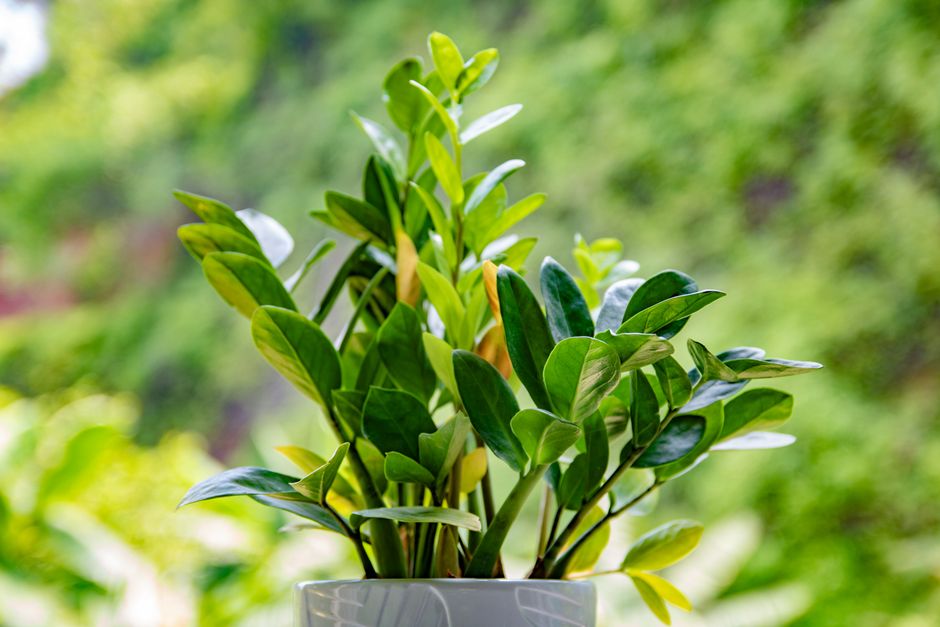
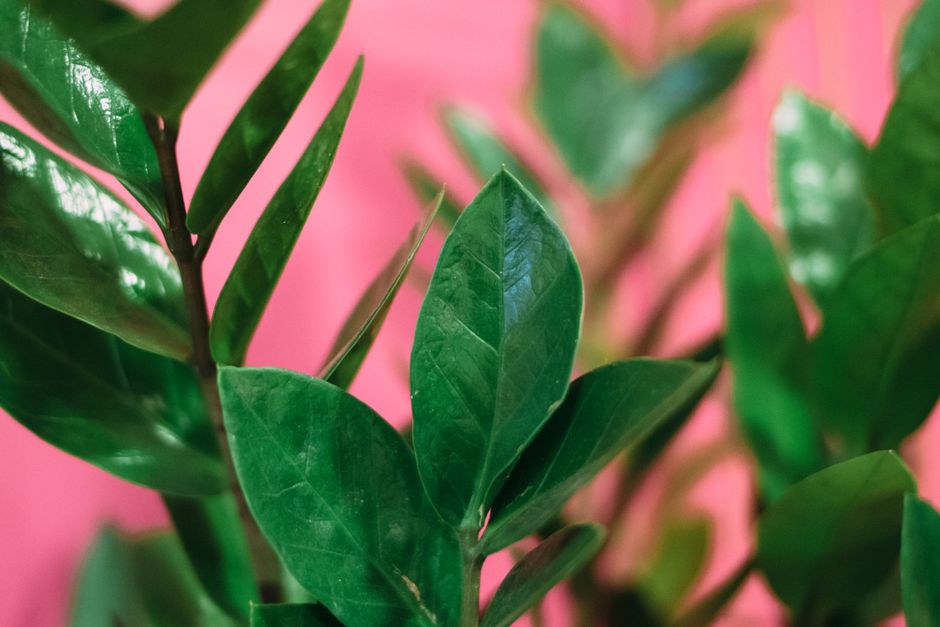
The ZZ plant — short for its tongue-twisting botanical name Zamioculcas zamiifolia — is native to the dry grasslands and forests of eastern Africa, from Kenya down to South Africa. That arid heritage explains everything about how it behaves indoors. Below the soil it grows fat, potato-like rhizomes that hoard water and nutrients, letting the plant survive long droughts. Above the soil, its glossy, dark-green leaflets are coated in a natural waxy layer that slows water loss and reflects light, giving the plant its signature shine. This combination makes the ZZ plant one of the most forgiving houseplants in the world — it thrives on benign neglect and tolerates the dim, dry conditions that kill fussier tropicals.
The single rule of ZZ plant care is simple: when in doubt, don't water. Nearly every ZZ plant that dies is killed by overwatering, which rots the rhizomes from the inside out. Because the plant stores its own water reserves, it would much rather be too dry than too wet. Get comfortable letting the soil go bone dry between waterings, plant it in a fast-draining mix with a drainage hole, and your ZZ plant will reward you with years of low-effort, sculptural greenery — even in a north-facing room or a windowless office lit only by fluorescent bulbs.
How to Care for a ZZ Plant
Watering
Water your ZZ plant roughly every 2–3 weeks, and even less in winter — but treat that as a loose guide, not a schedule. The reliable method is to let the soil dry out almost completely, then water thoroughly. Push your finger several inches into the pot; if you feel any moisture at all, wait. When the soil is dry top to bottom, water slowly and evenly until it drains from the bottom, then empty the saucer so the rhizomes never sit in standing water. Drooping or wrinkling stalks are the plant's way of asking for a drink — it tolerates underwatering far better than overwatering, so erring on the dry side is always the safer mistake. In a low-light spot the plant uses water even more slowly, so stretch the interval accordingly.
Light
ZZ plants are famous for tolerating low light, which is why they end up in office lobbies and dim hallways. They will survive in low light and even under fluorescent bulbs, but they grow fastest and stay fullest in bright, indirect light a few feet from a window. Avoid harsh direct sun, which can scorch the waxy leaves and leave pale, bleached patches. If your plant is in a very dark corner, expect slow growth and longer, leggier stems as it stretches toward the nearest light source — moving it somewhere brighter will encourage denser, more upright growth. Rotate the pot a quarter turn every few weeks so all sides receive even light.
Soil & Feeding
Because overwatering is the chief danger, drainage is everything. Use a fast-draining mix — standard potting soil cut with a generous handful of perlite, pumice, or coarse sand — and always pot into a container with at least one drainage hole. Terracotta is ideal because it wicks moisture away from the rhizomes. ZZ plants are slow growers and light feeders: a balanced liquid fertilizer diluted to half strength, applied once a month during spring and summer, is plenty. Skip feeding entirely in autumn and winter. Repot only every two to three years, when the rhizomes start to crowd the pot or push against its walls, and move up just one pot size to avoid excess damp soil around the roots.
Propagation
ZZ plants can be propagated by division or by leaf cuttings, though both require patience. The fastest method is division: at repotting time, gently pull the plant from its pot, brush away the soil, and separate the rhizome clumps by hand or with a clean knife, making sure each section has at least one stem and some roots. Pot each division into fresh, fast-draining mix. The slower method is leaf-cutting propagation: snip a healthy leaflet, let the cut end callus for a few hours, then press it into moist soil or place it in water. New rhizomes form at the base over the following two to nine months — this method tests your patience but works. Keep cuttings warm and in bright indirect light, and resist the urge to overwater while they establish.
Common Problems & Fixes
Something already wrong? Upload a photo to our Plant Identifier and use Diagnose mode for a treatment plan specific to your plant.
Looks like: Multiple leaflets turn yellow, often starting at the base, and the soil feels damp. The stems may feel soft or mushy near the soil line.
Fix: Yellowing on a ZZ plant almost always means overwatering and the early stages of rhizome rot. Stop watering immediately and let the soil dry out completely. If stems are soft at the base, unpot the plant and inspect the rhizomes — healthy ones are firm and potato-like, while rotted ones are brown, soft, and may smell foul. Cut away any mushy rhizome tissue with a sterile knife, let the cuts air-dry for a few hours, and repot into fresh, dry, fast-draining mix. Going forward, water far less often.
Looks like: Stems lean outward, lose their upright posture, or the leaflets look slightly wrinkled and limp rather than plump and glossy.
Fix: Drooping usually signals the opposite of yellowing — the plant is thirsty and has drawn down its stored water reserves. Give it a thorough watering, letting water run from the drainage holes, and the stalks should firm up within a day or two. If drooping persists despite moist soil, check for root or rhizome rot from previous overwatering. Leggy, splaying stems can also indicate too little light, so consider moving the plant somewhere brighter.
Looks like: The plant looks healthy but hasn't produced any new stems or leaflets for many months.
Fix: ZZ plants are naturally slow growers, and growth nearly stops in low light and during the winter dormancy. If you want faster growth, move the plant to brighter indirect light and feed it monthly with half-strength fertilizer during spring and summer. Be patient — even a thriving ZZ plant may only push out a handful of new stems per year. A long pause in growth is rarely a sign of a problem on its own.
Looks like: The tips or edges of leaflets turn brown and crispy while the rest of the leaf stays green.
Fix: Brown, crispy tips on a ZZ plant typically point to inconsistent watering — long droughts followed by heavy soakings — or to fertilizer salt buildup in the soil. Adopt a steadier routine of watering thoroughly only once the soil is fully dry. Flush the pot with plain water every few months to leach out accumulated mineral salts, and dilute fertilizer to half strength. Trim browned tips with clean scissors at a natural angle if you want to tidy the plant's appearance.
Looks like: The plant collapses, multiple stems yellow and fall over at once, and the rhizomes are brown, soft, and foul-smelling when unpotted.
Fix: Rhizome rot is the most serious ZZ plant ailment and is caused by chronic overwatering or poor drainage. Act fast: remove the plant, rinse the rhizomes, and cut away every soft, discolored section until only firm, healthy tissue remains. Let the cut rhizomes air-dry for several hours, then repot into fresh, dry, very well-draining mix in a clean pot with drainage holes. Withhold water for a week to let the wounds seal, then resume a sparse watering routine. Prevent recurrence by always letting the soil dry completely between waterings.
ZZ Plant Care FAQ
Roughly every 2–3 weeks, and even less in winter — but always let the soil dry out almost completely first rather than following a fixed calendar. ZZ plants store water in their rhizomes and strongly prefer to be too dry than too wet. Check by pushing a finger several inches into the soil; only water when it feels dry all the way down. In low light, the plant uses water even more slowly, so extend the interval.
Yes — the ZZ plant is one of the best houseplants for low-light spaces and tolerates north-facing rooms, dim hallways, and even windowless offices lit only by fluorescent bulbs. It will survive in low light but grows slowly and may become leggy. For fuller, faster growth, place it in bright, indirect light, but never in harsh direct sun, which scorches the leaves.
Yellowing leaves on a ZZ plant are almost always a sign of overwatering and the beginning of rhizome rot. Let the soil dry out completely and reduce how often you water. If the stems feel soft at the base, unpot the plant and check the rhizomes for brown, mushy rot; cut away the damaged tissue, let it dry, and repot into fresh, fast-draining soil.
Yes. ZZ plants contain insoluble calcium oxalate crystals in all parts of the plant. If chewed or ingested by cats, dogs, or humans, they cause oral irritation, drooling, vomiting, and difficulty swallowing. The toxicity is rarely life-threatening but is unpleasant. Keep the plant out of reach of pets and children, wash your hands after handling cut stems, and contact a vet or poison control if ingestion is suspected.
ZZ plants are slow growers, typically producing only a handful of new stems each growing season. Growth slows further in low light and during winter. You can encourage a faster pace with brighter indirect light and monthly half-strength fertilizer in spring and summer, but even a healthy, well-cared-for ZZ plant will never be a fast grower — that slow, steady habit is part of its low-maintenance appeal.
Drooping or splaying stalks usually mean the plant is thirsty and has used up its stored water — give it a thorough watering and the stems should firm up within a day or two. If the soil is already moist, drooping can instead signal rhizome rot from overwatering, so inspect the base of the stems. Leggy, leaning growth can also be a sign of too little light, in which case move the plant somewhere brighter.
No. ZZ plants are slow growers and actually prefer to be slightly root-bound, so they only need repotting every two to three years — typically when the rhizomes begin pushing against the sides of the pot or distorting it. Repot in spring, moving up just one pot size, and use a fresh, fast-draining mix. Avoid jumping to a much larger pot, as the excess damp soil increases the risk of rhizome rot.