How to Identify Any Plant Accurately: The Complete Guide for Beginners and Experts
Why Knowing How to Identify Any Plant Accurately Matters
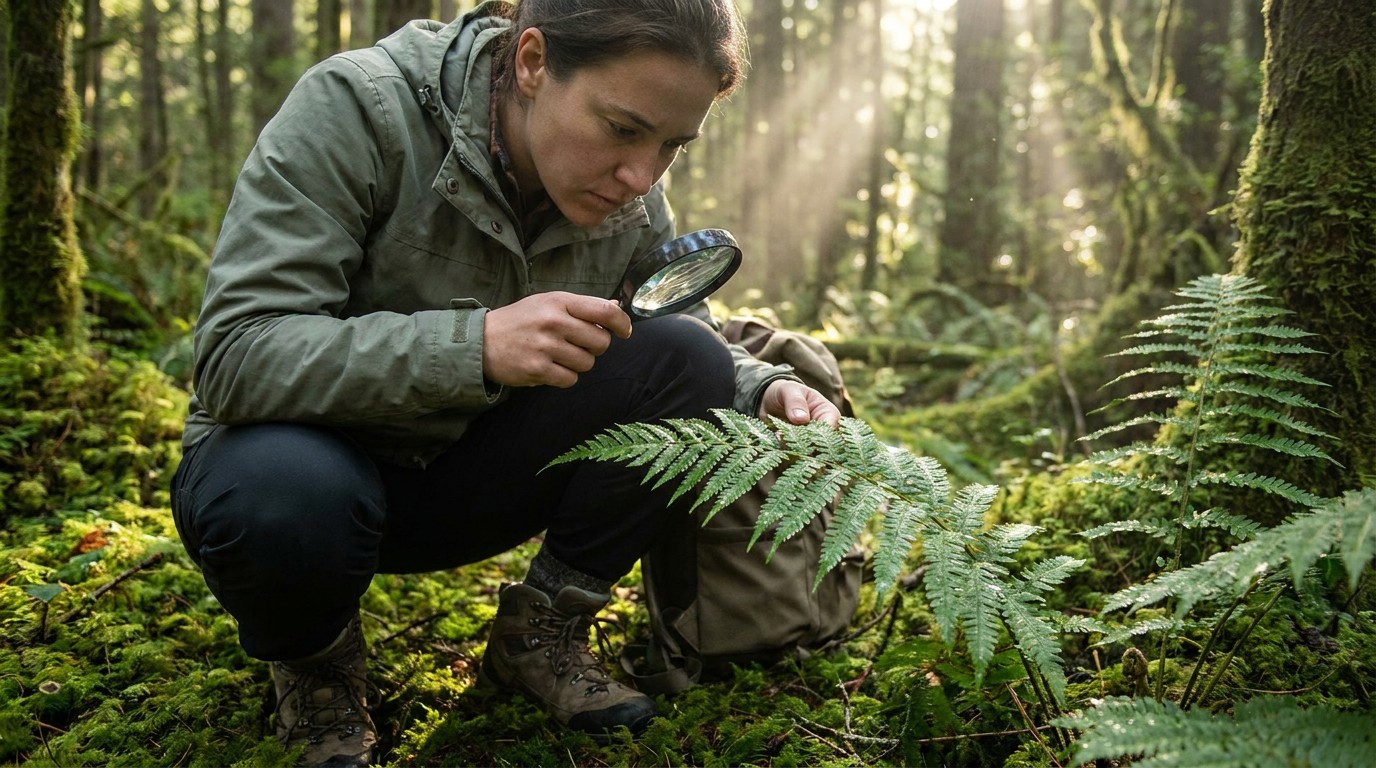
Whether you are a curious hiker stumbling across an unfamiliar wildflower, a homeowner trying to figure out what is growing in your garden, or a forager searching for edible plants, knowing how to identify any plant accurately is one of the most valuable skills you can develop. Misidentifying a plant can have serious consequences — some plants are dangerously toxic, while others are prized edibles or powerful medicinal herbs. The difference between wild garlic and lily of the valley, for example, can literally be a matter of life and death. Beyond safety, accurate plant identification deepens your connection to the natural world, helps you make informed decisions about your garden and local ecosystem, and opens the door to sustainable foraging, landscaping, and conservation efforts. In this comprehensive guide, we will walk you through every reliable method available today — from traditional field techniques to cutting-edge AI-powered apps — so that you can confidently identify any plant you encounter, anywhere in the world.
Start with the Basics: Key Plant Features to Observe
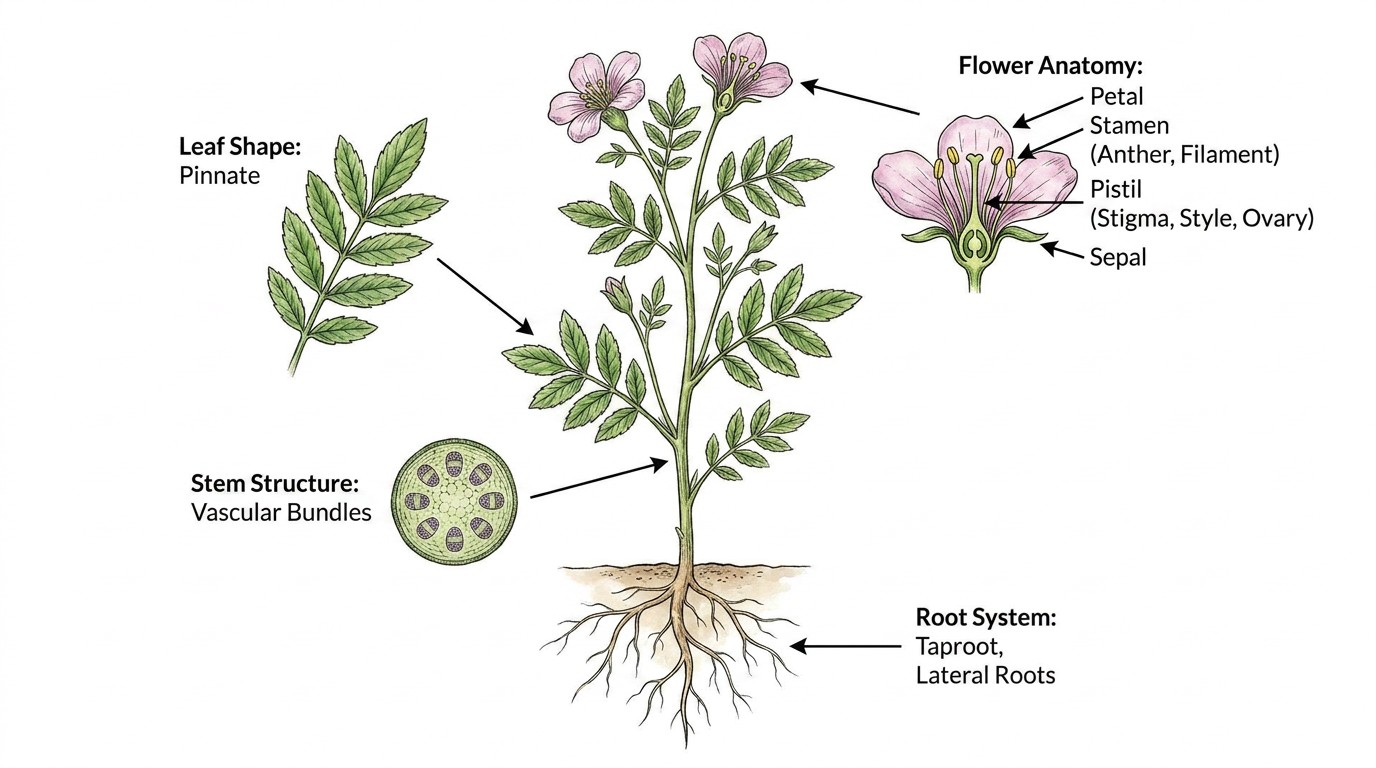
Before you reach for an app or flip through a field guide, training your eye to observe key botanical features is the foundation of accurate plant identification. Every plant has a unique combination of characteristics that, taken together, form its botanical fingerprint. Start with the leaves: note their shape (oval, lance-shaped, heart-shaped, lobed), their arrangement on the stem (opposite, alternate, or whorled), and their texture (smooth, hairy, waxy, or rough). Look at the edges of the leaf — are they smooth, toothed, or deeply lobed? Next, examine the stem: is it round or square? Hollow or solid? Woody or herbaceous? If the plant is flowering, the flower's color, number of petals, and overall structure are critical clues. Fruit, seed pods, and bark patterns are equally telling. Do not overlook scent — many plants like mint, lavender, or wild garlic have distinctive aromas that give them away instantly. Finally, pay attention to the habitat and geography: a plant growing in a shaded forest understory is likely a very different species from one thriving in a sunny, dry meadow. The more observations you make before consulting any identification tool, the more accurate your final identification will be.
Traditional Methods: Field Guides, Dichotomous Keys, and Expert Networks
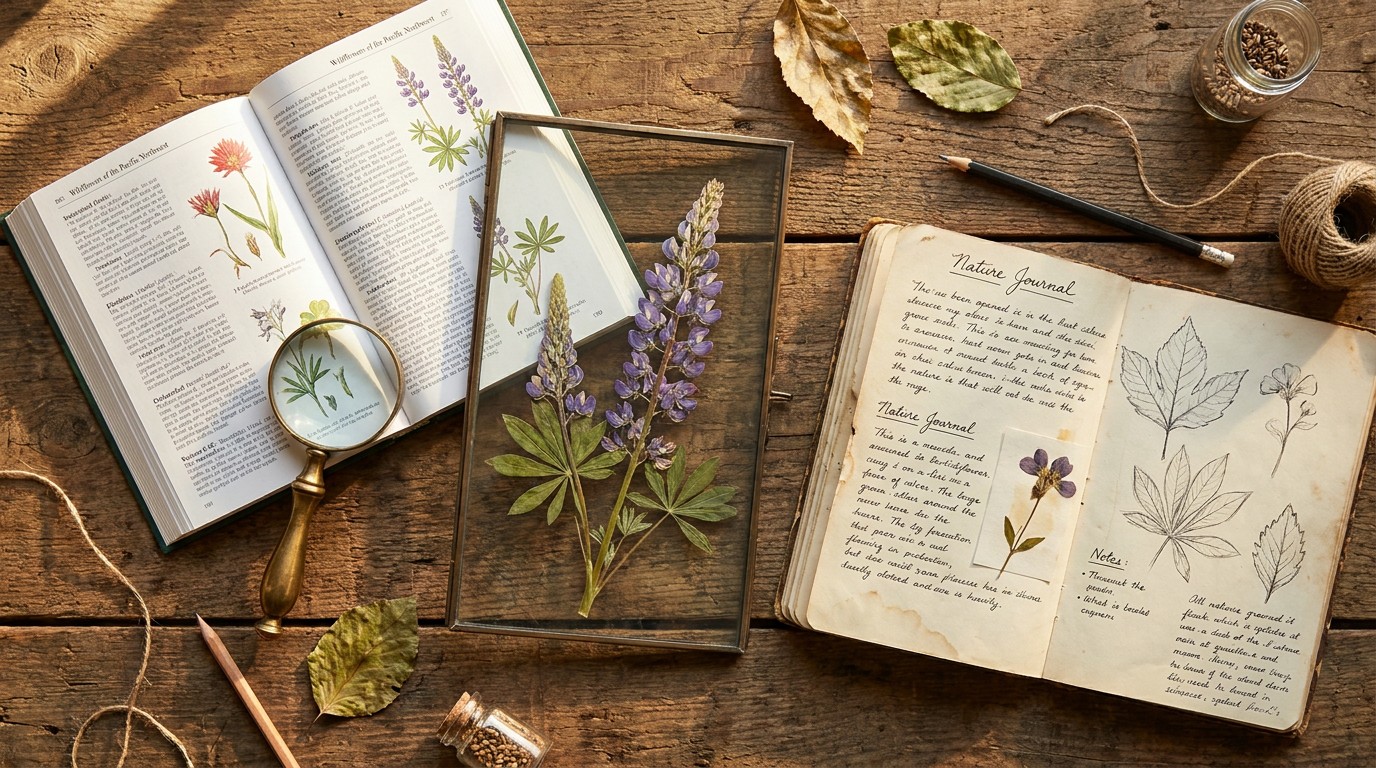
Long before smartphones existed, botanists and naturalists relied on time-tested traditional methods to identify any plant accurately, and these methods remain highly valuable today. Field guides are perhaps the most accessible traditional tool — regional guides like those published by the Audubon Society or Peterson Field Guides provide detailed descriptions, illustrations, and distribution maps for thousands of plant species. The key to using a field guide effectively is to choose one specific to your geographic region, as a guide written for North American wildflowers will not help you identify plants in Southeast Asia. Dichotomous keys are another powerful tool used by botanists and serious amateur naturalists. These step-by-step decision trees ask you a series of yes-or-no questions about a plant's features, progressively narrowing down the possibilities until you arrive at a species identification. While dichotomous keys require patience and a basic understanding of botanical terminology, they are extraordinarily accurate when used correctly. Online communities and expert networks like iNaturalist, Reddit's r/whatsthisplant, and local botanical societies allow you to post photos and descriptions and receive identifications from experienced botanists and naturalists around the world. These crowdsourced platforms are especially useful for unusual or regional species that even the best apps might struggle with. Combining these traditional approaches with modern technology gives you the most robust identification strategy possible.
How AI Plant Identification Apps Are Revolutionizing the Process
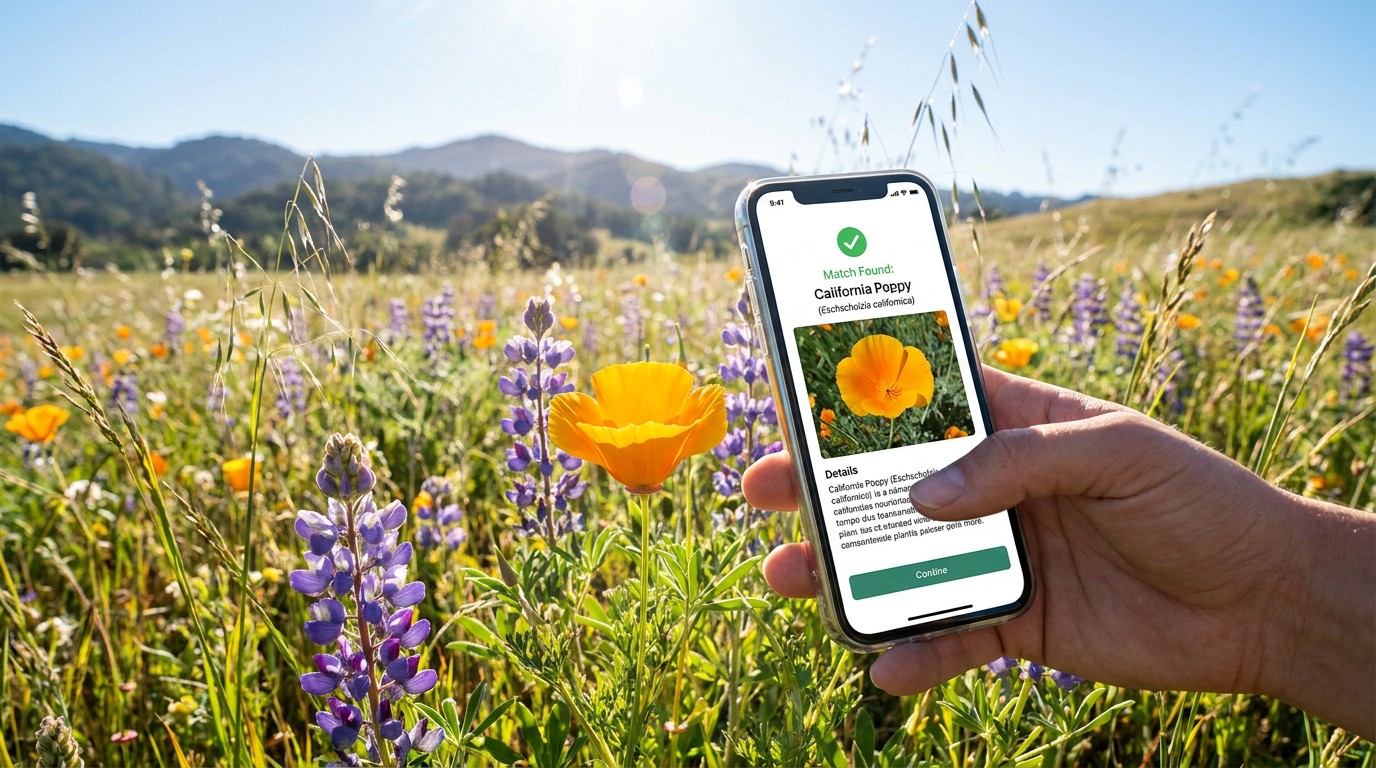
The single biggest advancement in how to identify any plant accurately in recent years has been the rise of AI-powered plant identification apps. These tools use deep learning algorithms trained on millions of labeled plant images to recognize species from a simple photo taken with your smartphone. The speed and accessibility of these apps have made plant identification available to virtually everyone, regardless of their botanical background. Modern AI plant ID apps can identify thousands of species within seconds, provide detailed information about the plant's characteristics, habitat, toxicity, and uses, and even suggest similar species to help you double-check your identification. However, not all apps are created equal. Accuracy varies significantly between platforms, and factors like image quality, lighting, and the part of the plant photographed all affect the result. For best results, always photograph multiple parts of the plant — leaves, stems, flowers or fruit, and the base — and compare the AI's suggestion against the description provided. Some apps also allow you to input location data, which dramatically improves accuracy by filtering results to species actually found in your area. When used thoughtfully, AI plant identification apps are genuinely transformative tools that have made accurate plant identification faster and more accessible than ever before in history.
The Best Tool for the Job: IdentifyThis Plant App
If you are looking for the most reliable and user-friendly way to identify any plant accurately, look no further than the IdentifyThis Plant App, available at identifythis.app/identify-this-plant-app. Built on advanced AI and computer vision technology, the IdentifyThis Plant App is designed to make plant identification effortless for everyone from complete beginners to experienced botanists. Simply take a clear photo of any plant — a leaf, flower, fruit, bark, or the whole plant — and the app delivers an accurate identification within seconds, complete with detailed information about the species including its common and scientific names, native range, toxicity warnings, edibility status, and ecological role. What sets IdentifyThis apart from other plant identification tools is its commitment to accuracy and depth of information. The app does not just give you a name — it gives you the knowledge and context you need to truly understand the plant you have found. Whether you are trying to identify a weed taking over your lawn, a mysterious mushroom in the woods, a beautiful flower in a park, or a potentially dangerous plant near your children's play area, IdentifyThis provides the answers you need quickly and reliably. The interface is clean, intuitive, and designed for use in the field, even without a strong internet connection. For anyone serious about learning how to identify any plant accurately, the IdentifyThis Plant App is the single most powerful tool available today.
Practical Tips to Improve Your Plant Identification Accuracy
Even with the best tools at your disposal, there are several practical habits and techniques that will significantly improve your ability to identify any plant accurately. First and foremost, photograph everything. Take multiple photos of the same plant from different angles and of different plant parts — a single blurry leaf photo is far less useful than a series of sharp images showing the leaf, stem, flower, underside of the leaf, and overall growth habit. Good lighting makes an enormous difference; natural daylight produces the clearest, most color-accurate images. Avoid using flash, which can wash out important color details. Always note the location and habitat where you found the plant — elevation, soil type, surrounding vegetation, and geographic region are all clues that can dramatically narrow down the possibilities. Seasonal timing matters too: a plant looks very different in spring, summer, fall, and winter, so try to note what season it is and whether the plant is in bloom, fruit, or dormancy. If you are attempting to identify a plant for foraging or medicinal use, always use multiple identification methods and consult an expert before consuming or applying any plant material. The rule of thumb among experienced foragers is: if in doubt, leave it out. Build a personal reference collection by pressing and labeling plant specimens you have confidently identified — over time, this physical library becomes an invaluable resource. Finally, join a local plant walk or botanical society where you can learn from experienced naturalists in person, because hands-on learning in the field is irreplaceable.
Common Mistakes to Avoid When Identifying Plants
Even experienced naturalists can make mistakes when trying to identify any plant accurately, and understanding the most common pitfalls can save you from errors that range from embarrassing to dangerous. One of the biggest mistakes is relying on a single identifying feature. Many plants share similar leaf shapes, flower colors, or growth habits with other species, so always look at the complete picture before drawing a conclusion. A second common error is using a field guide or app that is not region-specific — plant databases that cover the entire world may include species that do not grow anywhere near you, leading to false matches. Always filter your searches by location when possible. Another frequent mistake is over-relying on color alone. Flower colors can vary significantly within a species due to genetics, soil pH, sun exposure, and other environmental factors. Relying on color as the primary identifier is a recipe for misidentification. Beginners often also confuse juvenile plants with mature ones, since young plants can look dramatically different from their adult forms, with different leaf shapes and growth patterns. Avoid attempting to identify plants from memory alone — even experts photograph and document plants before making a final identification. Finally, do not assume that a plant is safe because it looks familiar or because an animal is eating it. Many animals can safely consume plants that are toxic to humans. When safety is a concern, always verify your identification through multiple independent sources before taking any action.
Try It Now on IdentifyThis.app
Use our free AI-powered tool to how to identify any plant accurately instantly.
Try Free NowFrequently Asked Questions
What is the most accurate way to identify any plant?
The most accurate way to identify any plant is to use a combination of methods rather than relying on a single tool. Start by carefully observing and documenting the plant's key features — leaf shape, arrangement, stem structure, flowers, fruit, and habitat. Then use a high-quality AI plant identification app like the IdentifyThis Plant App at identifythis.app/identify-this-plant-app to get an initial identification. Cross-reference this result with a regional field guide or a reputable online botanical database. For critical identifications, especially for foraging or safety purposes, consult an expert botanist or a knowledgeable community on platforms like iNaturalist. Using multiple methods together significantly reduces the risk of error.
Can I identify a plant accurately just from a photo?
Yes, modern AI plant identification apps can identify plants from photos with impressive accuracy, but the quality and comprehensiveness of your photos make a significant difference. A single blurry or poorly lit photo is likely to produce an inaccurate result, while a set of clear, well-lit photos showing the leaf, stem, flower, and overall plant dramatically improves accuracy. The best approach is to take multiple photos of different plant parts in good natural lighting, include location information if your app supports it, and review the detailed description provided with the identification result to confirm it matches your specimen. AI photo identification tools like IdentifyThis have made accurate plant identification from photos more reliable than ever before.
How do I identify a plant without a smartphone or app?
Identifying a plant accurately without a smartphone is entirely possible using traditional methods. Start with a regional field guide that covers the plants in your geographic area — Peterson Field Guides, Audubon Society guides, and similar publications are widely available and highly reliable. Learn to use a dichotomous key, which is a step-by-step decision tool that walks you through a series of questions about the plant's physical features to arrive at an identification. You can also take a sample or clear photographs to a local botanical garden, university extension office, or natural history museum where staff can often provide identifications. Joining a local hiking or naturalist club is another excellent way to develop plant identification skills through direct mentorship in the field.
Is it safe to eat a plant I have identified with an app?
While AI plant identification apps have become highly accurate, you should never eat a plant based solely on an app identification without additional verification. For foraging purposes, always confirm the identification using at least two or three independent methods, including a physical field guide and ideally an in-person confirmation from an experienced forager or botanist. Many edible plants have toxic look-alikes that can fool both beginners and apps under certain conditions. The consequences of consuming a toxic plant can be severe, ranging from gastrointestinal illness to organ failure or death. The golden rule of foraging is: when in doubt, leave it out. Use plant identification apps as a helpful starting point and learning tool, not as your sole authority for making consumption decisions.
What features are most important when trying to identify any plant accurately?
When trying to identify any plant accurately, the most important features to examine are leaf characteristics (shape, size, texture, edge pattern, and arrangement on the stem), stem structure (round or square, hollow or solid, woody or herbaceous, hairy or smooth), flower morphology (color, number of petals, shape, and arrangement), fruit or seed structures, root type, overall plant size and growth habit, habitat and geographic location, and scent. No single feature is sufficient on its own — it is the combination of multiple characteristics that allows for a confident, accurate identification. Photographing and documenting as many of these features as possible before consulting any identification tool will give you the best chance of a correct result.