Spider Plant Care: The Complete Guide to a Fast-Growing, Pet-Safe Classic
Chlorophytum comosum
The spider plant (Chlorophytum comosum) is one of the easiest, most rewarding houseplants you can grow — fast, forgiving, and non-toxic to cats and dogs. It thrives on a little neglect and sends out cascading 'spiderettes' you can root into endless free plants.
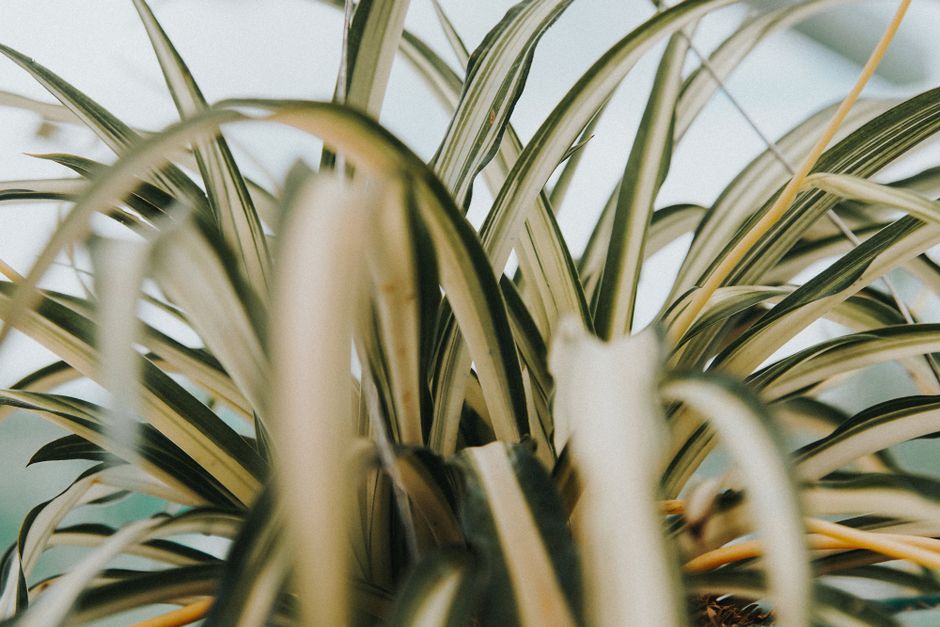
The spider plant — botanically Chlorophytum comosum — is a tough, adaptable perennial native to the coastal regions of southern Africa. It has been a windowsill and hanging-basket favorite for over a century, thanks to its arching ribbons of green-and-white striped foliage and its almost comical eagerness to reproduce. Mature plants send out long, wiry stems tipped with miniature plantlets — affectionately called 'spiderettes' or 'pups' — that dangle below the parent like spiders on a web, giving the plant its name. It's a forgiving choice for beginners, brightly decorative, and one of the few popular houseplants that is completely safe around pets.
Spider plant care is genuinely low-stress. The plant tolerates a wide range of light, irregular watering, and being root-bound, and it recovers gracefully from the occasional mistake. The one quirk worth knowing is its sensitivity to the chemicals in tap water: fluoride and chlorine accumulate in the leaf tips and turn them brown — by far the most common spider plant complaint. Use filtered or rainwater, give it bright indirect light, and don't let it sit in soggy soil, and your spider plant will grow quickly and pump out generations of free babies you can pot up or give away.
How to Care for a Spider Plant
Watering
Water your spider plant about once a week during the growing season, allowing the top inch of soil to dry out between waterings. Push a finger into the soil to check; when it feels dry an inch down, water thoroughly until it drains from the bottom, then empty the saucer. In autumn and winter, the plant uses less water, so reduce the frequency. Spider plants store moisture in their thick, tuberous roots, which makes them quite drought-tolerant — they forgive the occasional missed watering far better than constant sogginess. Because they are sensitive to fluoride and chlorine, watering with filtered, distilled, or rainwater (or tap water left out overnight) helps prevent the brown leaf tips this plant is notorious for.
Light
Spider plants do best in bright, indirect light, which brings out the boldest variegation in their striped leaves and encourages the most prolific production of babies. They also adapt to medium and even fairly low light, though growth slows and variegated types may fade toward plain green in dim conditions. Keep them out of direct sunlight, especially harsh afternoon sun, which can scorch and bleach the foliage. An east or north-facing window, or a few feet back from a brighter window, is ideal. If you're growing your spider plant in a hanging basket, rotate it occasionally so all sides receive even light and the plant grows symmetrically.
Soil & Feeding
A standard, well-draining all-purpose potting mix is all a spider plant needs; good drainage matters more than any special blend, so choose a pot with drainage holes. These are fast growers and moderate feeders — apply a balanced liquid fertilizer diluted to half strength about once a month during spring and summer, and pause feeding in autumn and winter. Avoid over-fertilizing, which can worsen brown leaf tips. Spider plants actually flower and produce more babies when slightly root-bound, so resist repotting too eagerly; repot every year or two, only when thick roots start lifting the plant out of the pot or poking through the drainage holes, moving up just one pot size.
Propagation
Propagating spider plants is famously easy, which is half their charm. The simplest method uses the plantlets, or 'spiderettes', that dangle from the mother plant. You have two options. To root in water, snip a plantlet from its runner and set it in a small glass of water with just the base submerged; roots appear within a week or two, after which you pot it up. To root directly in soil, while the plantlet is still attached to the parent, nestle its base into a small pot of moist soil placed beside the mother plant and pin it in place; once it has rooted firmly (a gentle tug meets resistance), snip the connecting runner. Either way, keep the new plant warm and in bright indirect light, and you'll have a full plant in a matter of weeks.
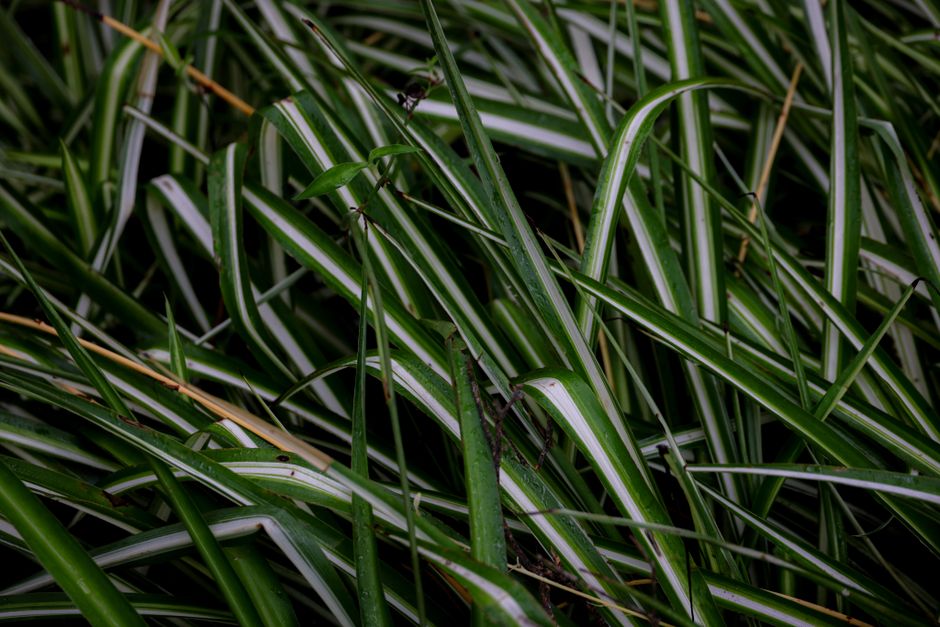
Common Problems & Fixes
Something already wrong? Upload a photo to our Plant Identifier and use Diagnose mode for a treatment plan specific to your plant.
Looks like: The tips of the leaves turn brown and dry while the rest of the blade stays green and healthy.
Fix: Brown tips are the classic spider plant issue and are most often caused by fluoride and chlorine in tap water, which accumulate in the leaf tips over time. Switch to filtered, distilled, or rainwater, or leave tap water out overnight before using it. Other contributors are low humidity, inconsistent watering, and salt buildup from over-fertilizing — so water more evenly, flush the soil with plain water every few months, and feed only at half strength. Trim the brown tips off with clean scissors at an angle for a tidy look; they won't turn green again, but new growth will come in clean.
Looks like: The bright green-and-white variegation washes out toward plain pale green, or the leaves look generally faded.
Fix: Fading variegation almost always means too little light. Move your spider plant to a brighter spot with bright, indirect light to restore the bold stripes. Conversely, if leaves look bleached or scorched rather than simply pale, the plant may be getting too much direct sun — pull it back from the window. Pale, weak growth can also follow a long stretch without feeding, so resume monthly half-strength fertilizer during the growing season.
Looks like: The plant grows leaves but never sends out the long runners with dangling plantlets.
Fix: Spider plants typically need to be mature and somewhat root-bound before they produce babies, so a young or recently repotted plant may simply need time. Encourage flowering and plantlet production by giving the plant bright indirect light and resisting the urge to move it into a much larger pot — they bloom best when their roots are a little crowded. Consistent care through spring and summer, the natural growing season, also helps trigger runners.
Looks like: Thick white roots push out of the drainage holes or lift the plant up out of the soil, water runs straight through, and a plastic pot may bulge or crack.
Fix: Spider plants have vigorous, fleshy roots and become root-bound quickly. While a little crowding is fine (and even encourages babies), a severely root-bound plant dries out too fast and stops growing well. Repot in spring into a pot one size larger with fresh, well-draining mix, gently loosening the root ball first. This is also the perfect moment to divide a large plant into two by pulling the root mass apart, giving you a second full-sized spider plant for free.
Looks like: Leaves yellow and go limp, the base of the plant feels soft, and the roots are brown and mushy rather than firm and white when unpotted.
Fix: Although spider plants are drought-tolerant, they can still rot if left in soggy soil or a pot without drainage. Let the soil dry out more between waterings and make sure excess water always drains away. If rot has set in, unpot the plant, rinse the roots, and cut away all brown, mushy sections with sterile scissors, keeping the firm white roots. Repot into fresh, well-draining mix in a clean pot with drainage holes and water sparingly until the plant recovers.
Spider Plant Care FAQ
About once a week during spring and summer, letting the top inch of soil dry out between waterings, and less often in autumn and winter. Spider plants store water in thick, tuberous roots and tolerate the occasional missed watering far better than constant sogginess. Because they're sensitive to fluoride and chlorine, watering with filtered, distilled, or rainwater helps prevent the brown leaf tips they're known for.
Yes — spider plants are non-toxic and considered safe for cats, dogs, and humans, which makes them one of the best houseplant choices for pet owners. Cats are often attracted to the dangling plantlets and may nibble them; this generally isn't dangerous, though eating large amounts of any plant can cause mild stomach upset. To protect the plant (and keep curious cats entertained elsewhere), hang it out of reach or place it on a high shelf.
Brown leaf tips are the most common spider plant complaint and are usually caused by fluoride and chlorine in tap water building up in the leaves. Switch to filtered, distilled, or rainwater, or leave tap water out overnight before using it. Low humidity, uneven watering, and salt buildup from over-fertilizing can also contribute, so water consistently, flush the soil occasionally, and feed only at half strength. Trim the brown tips off for a tidy look.
Use the plantlets ('spiderettes') that hang from the runners. To root in water, snip a plantlet and set its base in a glass of water; roots form in a week or two, then pot it up. To root in soil, nestle a still-attached plantlet's base into a small pot of moist soil beside the parent, pin it down until it roots firmly, then cut the runner. Keep new plants warm in bright indirect light, and they'll establish within weeks.
Spider plants usually need to be mature and a little root-bound before they send out runners with plantlets, so young or recently repotted plants often just need time. Give the plant bright, indirect light, keep it slightly crowded in its pot rather than potting it up too soon, and care for it consistently through the spring and summer growing season. Under these conditions, established plants typically begin producing babies readily.
Spider plants tolerate medium and even fairly low light, but they grow best and keep their boldest variegation in bright, indirect light. In dim conditions, growth slows, the plant produces fewer or no babies, and variegated varieties may fade toward plain green. If you only have a low-light spot, the plant will survive, but moving it somewhere brighter (without direct sun) will make it noticeably fuller and more colorful.
To a degree, yes — spider plants flower and produce their signature plantlets more readily when their roots are slightly crowded, so there's no need to rush to repot. That said, a severely root-bound plant dries out too quickly, stops growing well, and can crack its pot with its vigorous roots. Repot every year or two in spring, moving up just one pot size, and consider dividing a large plant at the same time for a free second plant.