Peace Lily Care: The Complete Guide to Lush Leaves and White Blooms
Spathiphyllum wallisii
The peace lily (Spathiphyllum) is prized for its glossy dark leaves and elegant white spathes — and for being honest about its needs. When it's thirsty, it dramatically wilts; give it a drink and it bounces back within hours. Master its watering rhythm and light, and it rewards you with near year-round flowers.
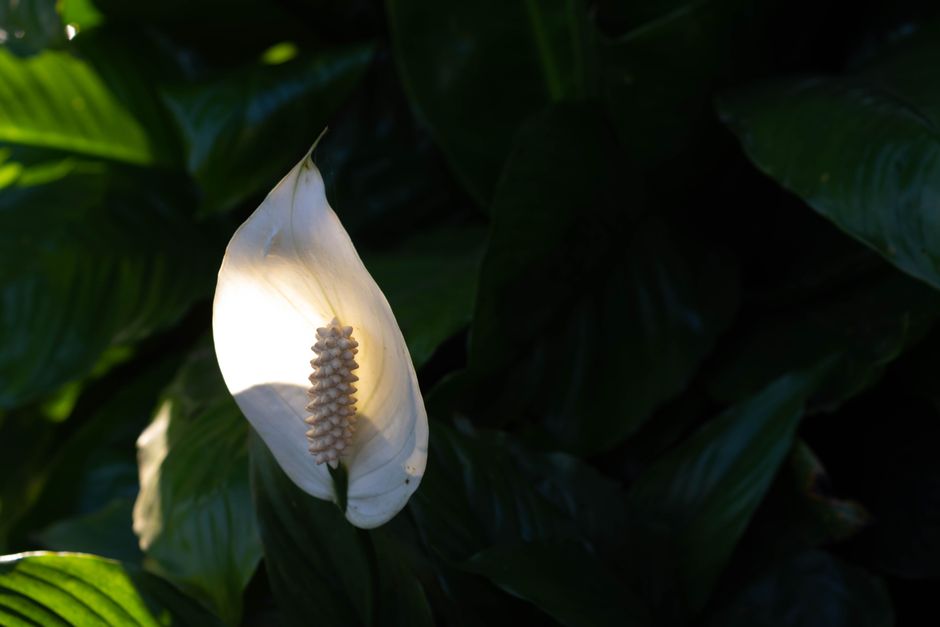
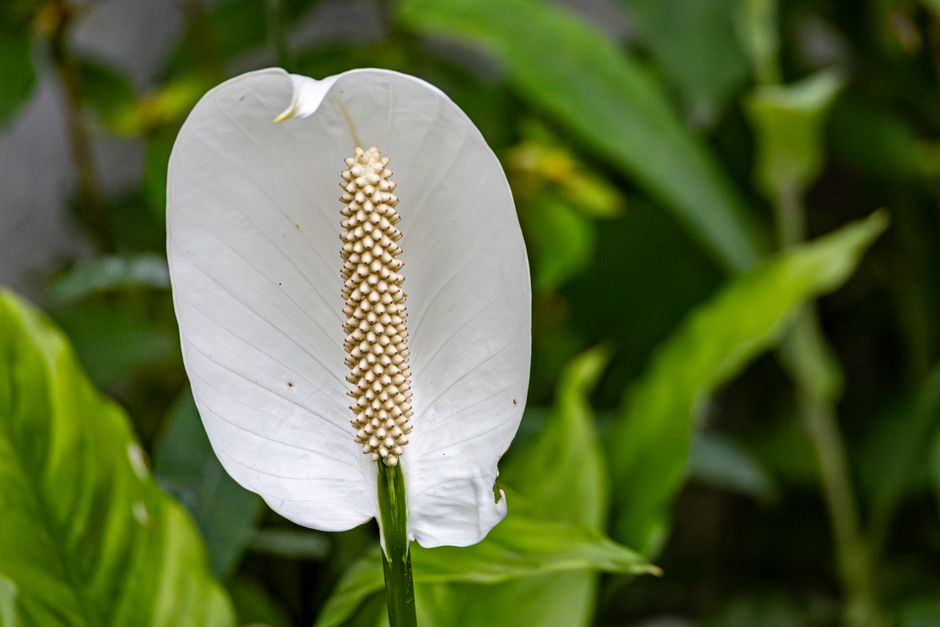
The peace lily — botanically Spathiphyllum — is a tropical evergreen native to the rainforest floors of Central and South America. In the wild it grows in warm, humid shade beneath the canopy, which is exactly why it adapts so well to the indirect light of a typical home. Its lush, lance-shaped leaves emerge in a fountain from the base, and its signature 'flowers' are actually modified leaves called spathes — pure white hoods that surround a central spike of tiny true flowers. Beyond its beauty, the peace lily earned fame in NASA's clean-air studies for its ability to help filter common indoor air pollutants, cementing its place as one of the most popular houseplants in the world.
Peace lily care revolves around two things: water and light. Unusually among houseplants, the peace lily tells you clearly when it is thirsty by drooping its leaves dramatically — and recovers within hours of watering, making it forgiving for beginners. It tolerates low light but will produce few or no blooms there; medium to bright indirect light is the sweet spot for steady flowering. Avoid direct sun, cold drafts, and chronically soggy soil, keep the humidity up, and your peace lily can stay green and blooming for years.
How to Care for a Peace Lily
Watering
Water your peace lily about once a week, but let the plant guide you rather than the calendar. Check the soil by pushing a finger an inch deep; when that top inch feels dry, water thoroughly until it drains from the bottom, then empty the saucer. The peace lily's famous wilt is a built-in reminder — if the leaves droop and the soil is dry, it simply needs a drink and will perk up within a few hours. Try not to let it reach that point repeatedly, though, as each severe wilt stresses the plant. Equally, avoid leaving it in standing water, which causes root rot. Peace lilies are sensitive to the chlorine, chloramine, and fluoride in tap water, which can brown the leaf tips; using filtered or rainwater, or leaving tap water out overnight before using it, helps prevent this.
Light
Peace lilies thrive in medium to bright indirect light and will flower most reliably there. They tolerate low light — which is why they end up in offices and dim corners — but in those conditions they grow more slowly and rarely bloom, putting out leaves only. Place your peace lily a few feet from an east or north-facing window for ideal balance. Keep it out of direct sunlight, which scorches the leaves and leaves pale, bleached patches. If your plant is all leaves and no flowers, the most common cause is simply too little light; moving it to a brighter (but still indirect) spot usually coaxes the white spathes to return.
Soil & Feeding
Use a rich but well-draining potting mix — a standard peat-based houseplant mix amended with a little perlite works well, holding moisture without staying waterlogged. Always pot into a container with drainage holes. Peace lilies are light feeders: apply a balanced liquid fertilizer diluted to half strength every six to eight weeks during spring and summer to support healthy growth and flowering, and stop feeding in autumn and winter. Over-fertilizing causes brown leaf tips and can deter blooming, so less is more. Repot every one to two years in spring when roots fill the pot, moving up one pot size; dividing the root clump at this time is also the easiest way to propagate.
Propagation
Peace lilies are propagated by division, not by stem or leaf cuttings. The best time is in spring, ideally while repotting. Gently remove the plant from its pot and brush away loose soil to expose the crowns — you'll see that a mature peace lily is actually several individual plants clumped together, each with its own roots and leaves. Tease these clumps apart by hand, or cut them apart with a clean, sharp knife, making sure each division has a healthy section of roots and at least two leaves. Pot each division into fresh, well-draining mix, water it in, and keep it in warm, bright indirect light. Divisions establish quickly and often resume flowering within a season.
Common Problems & Fixes
Something already wrong? Upload a photo to our Plant Identifier and use Diagnose mode for a treatment plan specific to your plant.
Looks like: The very tips and edges of leaves turn brown and crispy while the centers stay green; the rest of the plant looks healthy.
Fix: Brown tips on a peace lily usually come from one of three causes: minerals in tap water (chlorine, chloramine, fluoride), low humidity, or over-fertilizing. Switch to filtered, distilled, or rainwater — or let tap water sit out overnight before using it. Raise humidity to 50%+ with a humidifier or by grouping plants together, and cut back fertilizer to half strength every six to eight weeks. Trim existing brown tips with clean scissors at a natural angle; they won't turn green again, but new growth should come in clean.
Looks like: The plant produces plenty of healthy green leaves but no white spathes for a long stretch.
Fix: The number-one reason a peace lily won't flower is insufficient light. Move it to a brighter spot with medium to bright indirect light, but never direct sun. A light feeding with a balanced fertilizer in spring and summer also supports blooming. Be aware that many peace lilies sold in stores were chemically induced to bloom and may take time to flower naturally at home — patience plus the right light usually brings the spathes back. Very young or recently divided plants may also simply need a season to mature.
Looks like: The whole plant wilts and the leaves flop over, sometimes quite suddenly.
Fix: Drooping is the peace lily's signature thirst signal — check the soil, and if the top inch is dry, water thoroughly; the plant typically recovers within a few hours. If the soil is already wet, the opposite problem may be at play: overwatering and root rot, which also cause drooping because damaged roots can't take up water. In that case, let the soil dry out, check the roots for brown mushiness, and repot into fresh, well-draining mix if needed. Cold drafts can also cause temporary wilting, so keep the plant away from drafty windows and AC vents.
Looks like: Older, lower leaves turn yellow, sometimes several at once, while newer growth stays green.
Fix: An occasional yellow lower leaf is normal aging — simply remove it. Widespread yellowing, however, usually points to overwatering or poor drainage. Let the soil dry out more between waterings, ensure the pot drains freely, and never let the plant sit in a saucer of water. Less commonly, yellowing can result from too much direct sun (move the plant to indirect light) or a nutrient deficiency in a plant that hasn't been fed or repotted in a long time.
Looks like: The plant wilts despite wet soil, leaves yellow rapidly, and the roots are brown, soft, and mushy with a musty smell when unpotted.
Fix: Root rot results from chronic overwatering or a pot without drainage. Remove the plant, rinse the roots, and cut away all brown, mushy sections with sterile scissors until only firm, white roots remain. Repot into fresh, well-draining mix in a clean pot with drainage holes, and hold off watering for several days. Going forward, water only when the top inch of soil is dry and always discard excess water from the saucer to keep the roots healthy.
Peace Lily Care FAQ
About once a week, but let the plant guide you: water when the top inch of soil feels dry, or when the leaves begin to droop. The peace lily's dramatic wilt is a reliable thirst signal, and it recovers within hours of watering. Avoid both extremes — don't let it wilt severely every time, and don't leave it sitting in soggy soil or standing water, which causes root rot. Filtered or rainwater helps prevent brown leaf tips.
The most common reason is too little light. Peace lilies tolerate low light but only bloom reliably in medium to bright indirect light, so move yours somewhere brighter (but out of direct sun). A light feeding with balanced fertilizer in spring and summer also encourages flowering. Store-bought plants are often chemically forced to bloom and may take a season to flower naturally at home, so give it time alongside better light.
Brown, crispy tips are usually caused by minerals in tap water (chlorine, chloramine, or fluoride), low humidity, or over-fertilizing. Switch to filtered, distilled, or rainwater, raise the humidity to 50% or more, and dilute fertilizer to half strength applied only every six to eight weeks. Trim the brown tips off with clean scissors — they won't recover, but new leaves should grow in clean once the underlying cause is fixed.
Yes. Peace lilies contain insoluble calcium oxalate crystals in their leaves, stems, and flowers. If chewed or eaten by cats, dogs, or humans, they cause oral irritation, drooling, vomiting, and difficulty swallowing. (Note that despite the name, peace lilies are not true lilies and are far less dangerous to cats than real lilies, which cause kidney failure — but they should still be kept out of reach.) Contact a vet or poison control if ingestion is suspected.
Drooping is most often a thirst signal — if the top inch of soil is dry, water thoroughly and the plant should perk up within a few hours. If the soil is already wet, drooping instead suggests overwatering and root rot, since damaged roots can't absorb water; let the soil dry, inspect the roots, and repot if they're mushy. Cold drafts from windows or air conditioning can also cause temporary wilting.
Peace lilies were among the plants featured in NASA's Clean Air Study, where they helped remove certain volatile organic compounds from sealed test chambers. In a normal home the effect is modest — you'd need a great many plants to meaningfully purify a room's air — but the peace lily is still a healthy, attractive houseplant that adds humidity and greenery, and its air-filtering reputation is part of its enduring popularity.
Peace lilies are propagated by division rather than cuttings. In spring, remove the plant from its pot and gently separate the clump into smaller sections, each with its own roots and at least two leaves — a mature peace lily is really several plants growing together. Pot each division into fresh, well-draining mix, water it in, and keep it warm in bright indirect light. Divisions establish quickly and often flower again within a season.