Snake Plant Care: The Complete Indoor Guide
Dracaena trifasciata (formerly Sansevieria trifasciata)
Snake plants are famously forgiving, but one habit — overwatering — kills more of them than anything else. Learn exactly how to water, light, and feed yours so it stays upright and vibrant for decades.
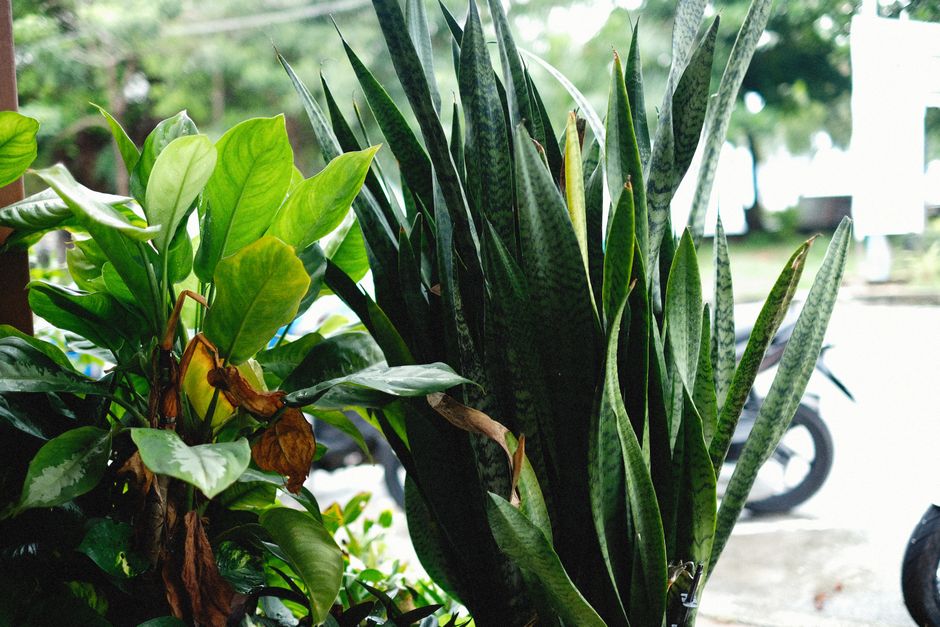
The snake plant (Dracaena trifasciata, still widely sold under its old name Sansevieria trifasciata) is a West African succulent with stiff, sword-shaped leaves banded in silver, grey, and deep green — often edged in golden yellow. It earned its place as one of the world's most popular houseplants because it tolerates low light, dry air, and irregular watering that would kill almost anything else. Despite that reputation for toughness, worried owners fill plant forums every day with photos of mushy bases, drooping leaves, and brown tips. The plant is forgiving, but it does have limits, and understanding them is the difference between a plant that merely survives and one that genuinely thrives and multiplies.
Three factors determine whether your snake plant looks spectacular or sad. First and most critical is watering frequency: this plant stores water in its leaves and rhizomes and will rot from the roots up if watered too often. Second is drainage — the wrong pot or soil keeps moisture locked around the roots far too long. Third is light: while snake plants tolerate shade, consistent medium-to-bright indirect light is what drives new growth and keeps the leaf markings vivid. Nail these three, and virtually every other care detail becomes secondary.
How to Care for Snake Plant
Watering
The single most practical rule for snake plant care is this: water only when the entire root zone is dry — not just the top inch, but dry all the way through. In most homes during spring and summer, that means watering roughly every 2–4 weeks. In autumn and winter, when the plant's metabolism slows and evaporation drops, extend that to every 4–6 weeks. The easiest way to check is to push a wooden chopstick or skewer 3–4 inches into the soil: if it comes out with any damp soil clinging to it, wait another week. When you do water, water thoroughly — pour slowly until water drains freely from the drainage holes, then empty the saucer within 30 minutes. Never let the pot sit in standing water. In terracotta pots, the soil tends to dry about 30–40% faster than in glazed ceramic or plastic, so adjust your schedule accordingly. During winter, if your home is cool (below 65 °F), you may only need to water once a month or even less.
Light
Snake plants are famous for surviving in dim corners, but 'surviving' and 'thriving' are very different outcomes. A plant kept 8–10 feet from any window in a north-facing room will hold on for months but will produce little to no new growth and may gradually lose contrast in its variegation. For the best results, position your snake plant 3–5 feet from a south- or east-facing window where it receives bright, indirect light for 4–6 hours a day. A spot 3 feet from a south-facing window behind a sheer curtain is close to ideal. Avoid placing it directly on a south or west windowsill in summer — intense direct afternoon sun will scorch and bleach the leaf edges. If you only have a north-facing room, move the plant as close to the window as possible, ideally within 2 feet of the glass, to maximize the available light.
Soil & Feeding
Snake plants absolutely need fast-draining soil. A commercial cactus and succulent mix is the easiest solution — use it straight from the bag or improve drainage further by blending it 2:1 with perlite (two parts cactus mix to one part perlite). Standard all-purpose potting soil retains too much moisture and dramatically raises the risk of root rot. Always choose a pot with at least one drainage hole; terracotta is ideal because it wicks moisture away from roots. Repot only when roots are visibly circling the bottom or pushing out of drainage holes — snake plants grow slowly and actually bloom more reliably when slightly root-bound. For fertilizer, feed once in early spring and once in midsummer with a balanced liquid fertilizer (10-10-10 or similar) diluted to half the recommended strength. Skip feeding entirely from October through February.
Propagation
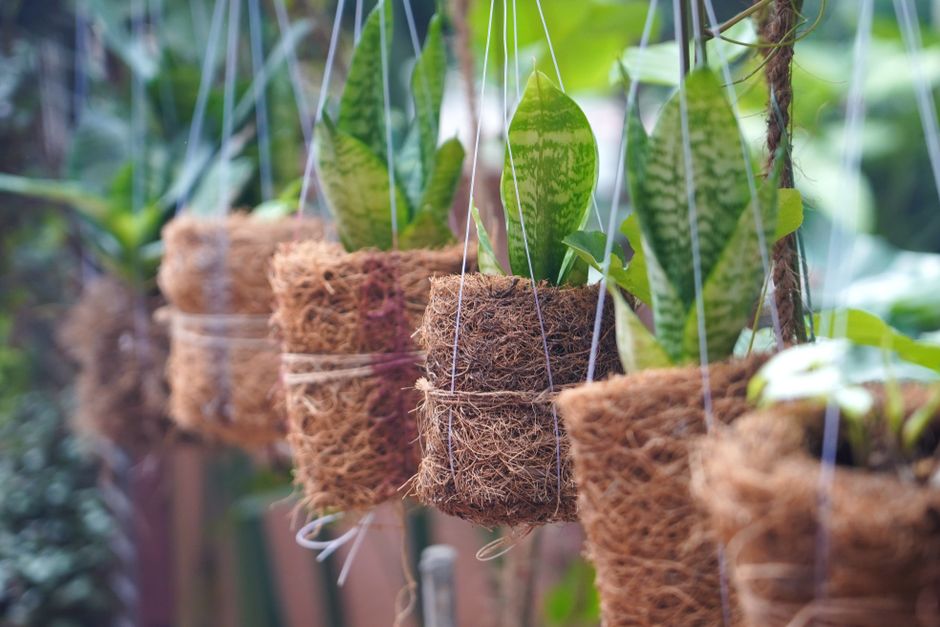
The easiest way to propagate a snake plant is by dividing the rhizome when you repot. Here is the step-by-step process: First, remove the plant from its pot and gently shake or brush away loose soil so you can see the root system clearly. Locate the thick horizontal rhizomes connecting separate leaf clusters. Using a clean, sharp knife or pruning shears sterilized with rubbing alcohol, cut through the rhizome to separate a cluster of at least 2–3 leaves with roots attached. Dust the cut surfaces with powdered cinnamon or activated charcoal to reduce the chance of infection, then let the cuttings air-dry for a few hours. Pot each division into fresh, dry cactus mix and wait 1–2 weeks before watering lightly. Note: leaf-cutting propagation works for plain green varieties but solid-yellow 'Laurentii' cuttings will revert to green — use division to preserve variegation.
Common Problems & Fixes
Something already wrong? Upload a photo to our Plant Identifier and use Diagnose mode for a treatment plan specific to your plant.
Looks like: The base of the leaves near the soil line feels soft, looks dark brown or black, and may smell slightly sour or musty. Leaves may wobble loose when touched.
Fix: Immediately unpot the plant and cut away all blackened, mushy roots and leaf bases with sterilized scissors, cutting back to firm, white or pale tissue. Let the plant air-dry for 24 hours, then repot into completely fresh, dry cactus mix in a clean pot with drainage holes. Do not water for at least 2 weeks. Going forward, follow a strict 'soil fully dry before watering' rule.
Looks like: One or more leaves turn uniformly pale yellow, starting from the base or spreading from the edges inward. The yellowing is usually soft and may be accompanied by limpness.
Fix: Yellow leaves on a snake plant almost always signal overwatering or waterlogged soil rather than a nutrient problem. Check the soil immediately — if it is wet, withhold all water until it dries completely. Remove any fully yellow leaves by pulling them down and out from the base. If several leaves are yellowing and the base feels soft, follow the root rot treatment above. If the soil is dry and yellowing is occurring, check for extreme cold drafts or temperatures below 50 °F.
Looks like: The very tips of the leaves dry out and turn brown, sometimes progressing a half-inch or more down the leaf edge. The rest of the leaf remains green and firm.
Fix: Brown tips are most commonly caused by three things: fluoride or salt buildup in the soil from tap water or over-fertilizing, very low humidity (below 20%), or the leaf tip physically touching a cold window or wall. Flush the soil thoroughly with distilled or filtered water to leach out mineral salts. If your home is very dry in winter, move the plant away from heating vents. Trim brown tips with clean scissors, cutting at a slight angle to match the natural leaf shape.
Looks like: Leaves that were once upright begin to lean outward, droop sideways, or flop completely. The plant may splay out in a star shape rather than standing tall.
Fix: Drooping is usually caused by one of two opposites: overwatering (the base softens and can no longer support the leaf) or extreme underwatering (the leaf loses internal turgor). Press the base — if soft and mushy, treat for root rot. If the soil is bone dry and the pot is very light, water thoroughly and the leaves should firm up within a day or two. A third cause is a pot that is too large, which holds excess moisture and destabilizes the plant — repot into a snugly fitting container.
Looks like: Small white cottony clusters appear in the crevices where leaves meet, or flat, brownish oval bumps are visible on the leaf surface. A sticky residue (honeydew) may coat nearby surfaces.
Fix: Isolate the plant from other houseplants immediately. For mealybugs, dab each visible insect with a cotton swab soaked in 70% isopropyl alcohol, then spray the entire plant — including leaf undersides and crevices — with a solution of 1 teaspoon neem oil, 1 teaspoon mild dish soap, and 1 quart of water. Repeat every 7–10 days for 3–4 weeks. For scale, scrape off the bumps manually before applying the same neem oil spray. Check surrounding plants for spread.
Snake Plant FAQ
In winter, most snake plants need watering only once every 4–6 weeks — sometimes even less if your home is cool. The plant's growth slows dramatically, and the combination of lower light and cooler temperatures means soil stays moist far longer than in summer. Always test by pushing a chopstick 3–4 inches into the soil: water only when it comes out completely clean and dry. Erring on the side of underwatering is always safer than overwatering during the cold months.
A snake plant can survive in a windowless room if it receives at least 8–10 hours of consistent artificial light per day from a full-spectrum grow light positioned 12–18 inches above the foliage. Without any light source — natural or artificial — no plant can survive long-term through photosynthesis. In very low natural light (such as a north-facing room with a small window), the plant will live but produce minimal new growth and may slowly weaken over months to years.
Yellow leaves almost always mean overwatering or poorly draining soil. Check whether the soil is still moist — if so, stop watering immediately and let it dry completely before watering again. If multiple leaves are yellowing and the base of the plant feels soft, unpot and inspect the roots for rot. Less commonly, yellow leaves can result from temperatures below 50 °F, severe nutrient deficiency after years without any fertilizer, or a pot sitting in standing water in a saucer.
Yes. Snake plants contain saponins, which are toxic to cats and dogs if ingested. Symptoms of ingestion in pets include nausea, vomiting, drooling, and diarrhea. The toxicity is considered moderate — unlikely to be fatal but definitely unpleasant and worth taking seriously. If you have pets that chew plants, place your snake plant on a high shelf, in a room your pets cannot access, or consider a pet-safe alternative. If you suspect your pet has eaten part of the plant, contact your veterinarian promptly.
Repot when roots are visibly circling the bottom of the pot, pushing out through drainage holes, or when the plant is so root-bound it lifts itself out of the pot. Snake plants grow slowly and actually prefer being slightly snug in their containers — repotting too frequently into oversized pots increases the risk of root rot because excess soil holds moisture the roots cannot use. When you do repot, choose a new pot only 1–2 inches larger in diameter than the current one, and always use fresh cactus mix.
Brown, crispy tips are the most common cosmetic complaint with snake plants and are usually caused by fluoride or mineral salt buildup from tap water or over-fertilizing. Flush the soil deeply with distilled or filtered water every few months to leach out accumulated salts. Low humidity (under 20%) from heating systems in winter can also dry out leaf tips. The tips will not green up once browned, but trimming them with clean scissors at a slight angle and addressing the root cause will prevent further progression.
The golden-edged 'Laurentii' variety — the most common yellow-striped snake plant — cannot retain its variegation through leaf cuttings. Cuttings from this variety will root successfully but produce plain green offspring because the yellow margins come from a genetic chimera in the outer leaf tissue that leaf cuttings do not carry. To reliably propagate 'Laurentii' and preserve the yellow edges, you must divide the plant at the rhizome, separating rooted offsets (pups) from the mother plant while keeping roots attached.
Unglazed terracotta is the best choice for snake plants because its porous walls allow moisture and air to pass through, helping the root zone dry out faster between waterings and significantly reducing root rot risk. Plastic and glazed ceramic pots retain moisture much longer — they can work fine if you are disciplined about watering cadence, but they leave less margin for error. Whatever material you choose, ensure the pot has at least one drainage hole at the bottom. Never use a pot with a permanently sealed base, regardless of how attractive it looks.