Golden Pothos Care: The Complete Guide to a Happy, Thriving Plant
Epipremnum aureum
Golden pothos is one of the most forgiving houseplants you can own — but even it has a few non-negotiable needs. This guide gives you the exact steps to keep those iconic golden-green leaves lush, long, and problem-free.
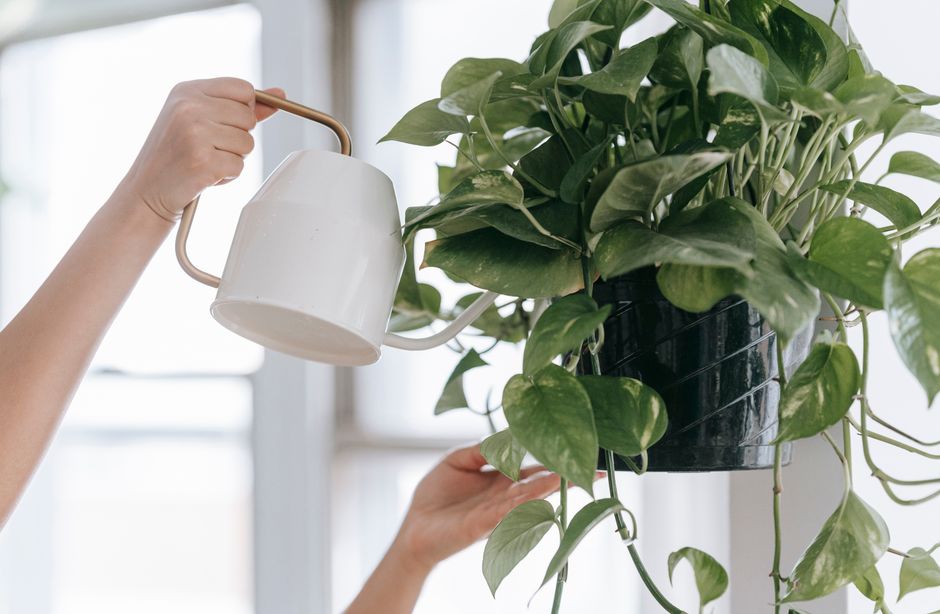
Golden pothos (Epipremnum aureum) is the quintessential trailing houseplant — a Southeast Asian native with heart-shaped leaves splashed in bright gold and green. It earned its reputation as 'the plant you cannot kill' because it tolerates dim rooms, irregular watering, and low humidity better than almost anything else you can buy at a garden center. Despite that resilience, owners still run into trouble: leaves turn yellow, the beautiful variegation fades to solid green, or roots rot silently in soggy soil. Understanding why these problems happen — and what this plant actually prefers versus merely survives — is the difference between a stringy, struggling vine and a genuinely spectacular specimen.
Three factors determine whether your golden pothos thrives or just survives. First, soil moisture: this plant roots rot quickly in waterlogged conditions, so allowing the top half of the soil to dry before you water again is the single most important habit to develop. Second, light quality: it tolerates low light, but bright, indirect light is what produces those vivid golden streaks — without it, new leaves emerge almost entirely green. Third, temperature consistency: drafts from air-conditioning vents and cold windowsills in winter stress the plant far more than most owners realize. Get these three factors right, and golden pothos will reward you with rapid, vigorous growth almost year-round.
How to Care for Golden Pothos
Watering
The single most reliable way to kill a golden pothos is to water on a fixed calendar schedule without checking the soil first. Instead, use the 'finger-test' method: push your finger two inches into the soil — roughly to the second knuckle. If it feels damp or cool, wait. Water only when that top two inches is dry. In a warm, bright room during spring and summer, this typically works out to every 7–10 days. In winter or in a cooler room, you may only need to water every 12–14 days. When you do water, water thoroughly: pour slowly until water drains freely from the drainage holes, then empty the saucer after 30 minutes. Never let the pot sit in standing water. Terracotta pots dry out faster than plastic or ceramic, so adjust your cadence accordingly. If the leaves start to look slightly limp or the soil pulls away from the pot's edges, that's your signal the plant is genuinely thirsty.
Light
Golden pothos performs best in bright, indirect light — picture a spot roughly 3 to 5 feet from a south- or east-facing window where the sun's rays never hit the leaves directly. Direct afternoon sun will scorch the foliage, causing pale, bleached patches that cannot be reversed. The plant will survive in low-light corners, but there's a real cost: new leaves emerge smaller, internodes grow longer and spindlier as the vine reaches for light, and most importantly, the golden variegation fades. If you notice your plant producing almost entirely green leaves, move it 2–3 feet closer to a window or supplement with a grow light (a 6500K LED positioned 12 inches above the plant for 12 hours a day works well). North-facing windows in winter typically provide insufficient light for healthy growth.
Soil & Feeding
Golden pothos is not particular about soil chemistry, but it is extremely particular about drainage. A standard indoor potting mix like Miracle-Gro All Purpose combined with 20–30% perlite by volume creates the airy, fast-draining structure these roots need. Avoid dense, peat-heavy mixes that stay wet for days. Always choose a pot with drainage holes — no exceptions. Repot every 1–2 years in spring when roots begin circling the bottom or poking out of drainage holes; move up only one pot size at a time to avoid excess wet soil around the roots. For fertilizing, use a balanced liquid fertilizer (10-10-10 or 20-20-20) diluted to half strength once a month from April through September. Stop feeding entirely from October through March when growth naturally slows. Over-fertilizing produces salt buildup that burns root tips and causes brown leaf edges.
Propagation
Propagating golden pothos in water is one of the most satisfying and foolproof projects in indoor gardening. Here's the exact method: First, identify a healthy stem with at least two or three leaves and locate the nodes — those small brown nubs or aerial roots sitting just below each leaf stem on the main vine. Cut the stem just below a node using clean scissors or a knife, making sure each cutting has one to two leaves and at least one node. Remove any leaves that would sit below the waterline to prevent rot. Place the cutting in a glass of room-temperature water, positioning it so the node is submerged but the leaves stay dry. Set the glass in bright, indirect light. Change the water every five to seven days to prevent bacterial buildup. Roots typically appear within two to four weeks. Once roots reach one to two inches long, pot the cutting into moist potting mix and treat it as a mature plant.
Common Problems & Fixes
Something already wrong? Upload a photo to our Plant Identifier and use Diagnose mode for a treatment plan specific to your plant.
Looks like: Leaves turn uniformly pale yellow, starting with older leaves lower on the vine. The yellowing may affect one leaf at a time or several simultaneously, and the leaf eventually falls off.
Fix: Overwatering is the most common culprit — check the soil immediately, and if it's wet or soggy, let the plant dry out completely before the next watering. If the soil was dry, the cause may be a nutrient deficiency; resume monthly fertilizing in spring and summer. Examine the roots: healthy roots are white or light tan, while brown mushy roots indicate root rot that requires removing affected tissue and repotting in fresh, dry soil.
Looks like: The very tips or margins of leaves turn brown and dry, sometimes with a yellow halo around the affected area. The rest of the leaf remains green.
Fix: Brown tips most often signal low humidity, fluoride or salt buildup in the soil, or underwatering. First, try misting the plant or placing a small humidifier nearby, aiming for 50% ambient humidity. If you fertilize regularly, flush the soil thoroughly with plain water once a month to wash out accumulated mineral salts. If the potting mix dried out completely and became hydrophobic, bottom-water the plant by setting the pot in a dish of water for 30 minutes so the soil rehydrates fully.
Looks like: New leaves emerge almost entirely green with little or no golden or yellow patterning, even though older leaves still display normal variegation.
Fix: This is almost always a light problem. The golden variegation is produced by cells that lack chlorophyll; in low light, the plant compensates by producing more chlorophyll-rich cells to maximize photosynthesis, which erases the pattern. Move the plant to a brighter spot — try 3 feet from an east- or south-facing window — and maintain that position for four to six weeks. New leaves should begin showing variegation again once light levels improve. Heavily variegated cultivars like 'Marble Queen' are especially sensitive to this.
Looks like: The plant wilts even when soil is wet, leaves turn yellow or translucent, and when you unpot the plant, the roots are brown, mushy, and may smell foul.
Fix: Remove the plant from its pot immediately and shake off all the old soil. Using clean, sterilized scissors, trim away every brown or mushy root segment until only firm, white roots remain. Allow the roots to air-dry for one to two hours. Repot in fresh, dry, well-draining mix (with added perlite) in a clean pot. Do not water for five to seven days after repotting, then resume the finger-test watering method strictly. If more than 60% of the root system was rotted, the plant's survival odds are lower, but many pothos recover from surprisingly severe root rot.
Looks like: The vine produces long stems with leaves spaced far apart, often with smaller-than-normal leaves. The plant looks thin and straggly rather than full and lush.
Fix: This is a classic sign of insufficient light combined with the plant stretching toward any available source. Move the plant closer to a bright window or add a grow light. To encourage bushier growth, prune long bare stems back to just above a healthy leaf node — the plant will branch from that point. You can propagate the cuttings you remove and place them back in the same pot to increase fullness. Regular pruning every few months actively encourages a denser, more attractive growth habit.
Golden Pothos FAQ
Rather than watering on a fixed schedule, always check the soil first. In spring and summer in a warm, bright room, this typically means watering every 7–10 days. In winter or cooler conditions, stretch that to every 12–14 days. Push your finger two inches into the soil — water only when that top layer feels dry. When you do water, water thoroughly until it drains from the bottom, then empty the saucer completely. Adjust based on your specific pot material, room temperature, and season.
Yes, golden pothos is one of the most light-tolerant houseplants available and will survive in low-light conditions that would kill most other plants. However, 'surviving' and 'thriving' are different things. In low light, the plant grows more slowly, produces smaller leaves, develops longer and weaker stems, and — most noticeably — loses its golden variegation as new leaves emerge solid green. For the best appearance, aim for bright indirect light 3–5 feet from a south- or east-facing window.
Yes. Golden pothos contains calcium oxalate crystals throughout all parts of the plant — leaves, stems, and roots. If a dog or cat chews or ingests any part of the plant, these crystals cause immediate oral irritation, excessive drooling, pawing at the mouth, vomiting, and difficulty swallowing. Symptoms are rarely fatal but are painful and distressing. Keep the plant on high shelves or in rooms your pets cannot access. If ingestion occurs, contact your veterinarian or the ASPCA Animal Poison Control Center (888-426-4435) immediately.
Brown leaf tips on golden pothos typically point to one of three causes: low humidity (the most common), mineral salt buildup from tap water or over-fertilizing, or inconsistent watering where the soil dried out completely. Check your home's humidity with an inexpensive hygrometer — if it's below 40%, add a humidifier or pebble tray with water near the plant. Flush the soil with plain water monthly to remove fertilizer salts. Once a leaf tip turns brown, that specific tissue will not recover, but improving care conditions prevents new tips from browning.
To maximize growth speed, give your golden pothos bright indirect light (within 3–5 feet of a window), maintain temperatures between 70–85 °F, water correctly using the finger-test method, and fertilize with a balanced liquid fertilizer at half strength once a month from April through September. High humidity above 50% also encourages faster, larger leaf production. In ideal conditions indoors, golden pothos can grow 12 inches or more per month during the growing season. Avoid repotting stress, cold drafts, and overwatering, all of which slow growth significantly.
Repot your golden pothos in spring — March through May — when roots start circling the bottom of the pot, poking out of drainage holes, or when you notice the plant drying out much faster than usual between waterings. Always move up just one pot size (1–2 inches larger in diameter) to avoid surrounding the roots with excess wet soil. Use a fresh, well-draining mix with added perlite. Water lightly after repotting and keep the plant in bright indirect light while it settles in over the following two to three weeks.
Yes, though water propagation is faster and lets you monitor root development. To propagate directly in soil, take a stem cutting with at least one node and one leaf, let the cut end callous for one to two hours, then insert it into slightly moist potting mix so the node is buried. Place the cutting in bright indirect light and keep the soil consistently moist — not wet — for the first three to four weeks while roots establish. Covering the cutting loosely with a clear plastic bag creates a humidity tent that improves success rates significantly. Expect roots within three to five weeks.
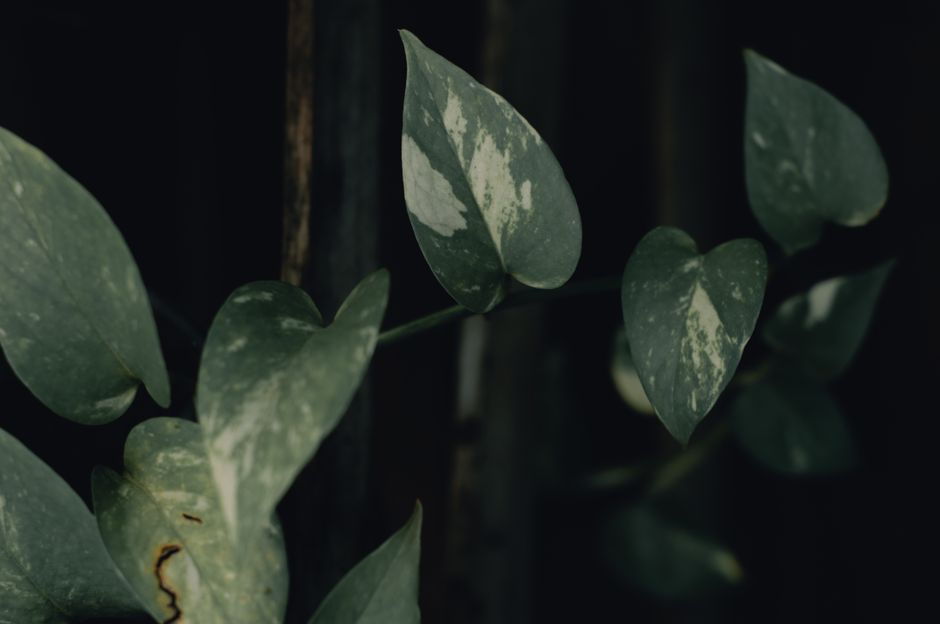
Golden pothos (Epipremnum aureum) is characterized by its heart-shaped green leaves with irregular golden-yellow variegation and a waxy surface texture. It's often confused with 'Marble Queen' pothos, which has the same leaf shape but features white-and-green marbling rather than gold. 'Neon' pothos produces solid bright chartreuse-yellow leaves with no variegation at all. 'Manjula' and 'Pearls and Jade' have more silvery or cream-and-white patterning. Care requirements are largely the same across varieties, though heavily variegated types like Marble Queen are slightly more demanding about light to maintain their patterns.