How to Identify Plant Online: The Complete Guide to Naming Any Plant Instantly
Why You Need to Identify Plant Online in 2024
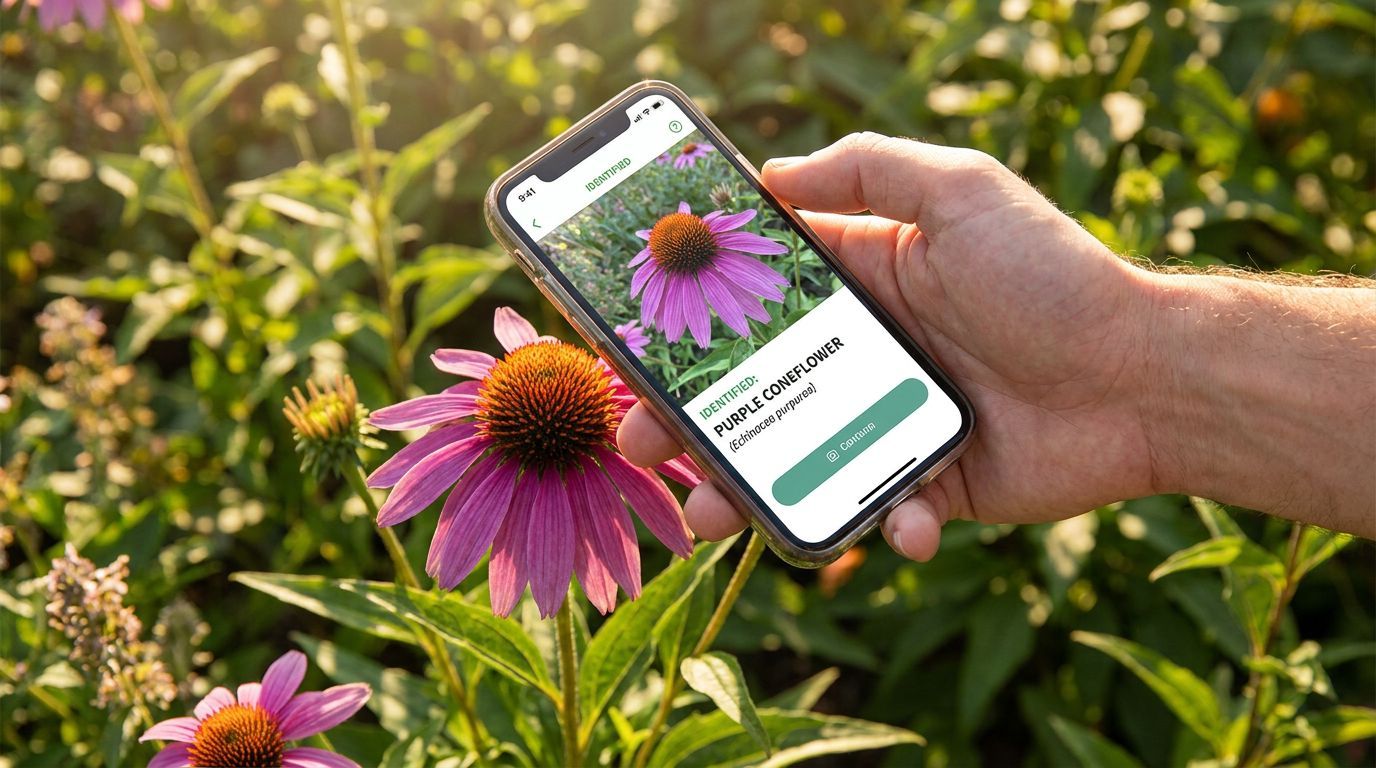
Whether you've stumbled across an unusual wildflower on a hiking trail, brought home a mystery houseplant from a garage sale, or spotted a suspicious-looking weed creeping into your garden, the need to identify plant online has never been more pressing — or more accessible. In the past, plant identification meant hauling out dusty field guides, consulting botanical encyclopedias, or waiting days for a local expert to respond to your inquiry. Today, with smartphone cameras, AI-powered tools, and vast digital databases at our fingertips, you can identify plant online in a matter of seconds. This shift has transformed how gardeners, hikers, parents, and nature lovers interact with the plant world around them. Understanding what a plant is isn't just satisfying curiosity — it can protect your family from toxic species, help you care properly for your indoor plants, prevent invasive species from spreading in your garden, and deepen your appreciation for the incredible biodiversity of the natural world. This guide covers everything you need to know about how to identify plant online accurately, efficiently, and safely.
The Science Behind Online Plant Identification Tools
Modern tools that let you identify plant online are powered by a branch of artificial intelligence called computer vision and machine learning. These systems have been trained on millions of labeled plant images, teaching algorithms to recognize subtle differences in leaf shape, vein patterns, flower structure, bark texture, stem color, and growth habit. When you upload a photo to an AI plant identification tool, the system compares your image against this enormous dataset and returns the most probable matches ranked by confidence level. The best tools also incorporate geographic data, seasonal information, and contextual clues to refine their results. For example, knowing that you're photographing a plant in the Pacific Northwest in October dramatically narrows down the possibilities compared to a generic global search. Some platforms even cross-reference their AI results with verified botanical databases like the USDA Plants Database, Plants of the World Online, and iNaturalist's community-verified observations. This layered approach means that when you identify plant online using a quality tool, you're benefiting from both cutting-edge machine learning and decades of accumulated botanical science. The accuracy of these tools has improved dramatically over recent years, with top platforms now achieving identification accuracy rates above 90% for common species under good photographic conditions.
How to Take the Perfect Photo to Identify Plant Online
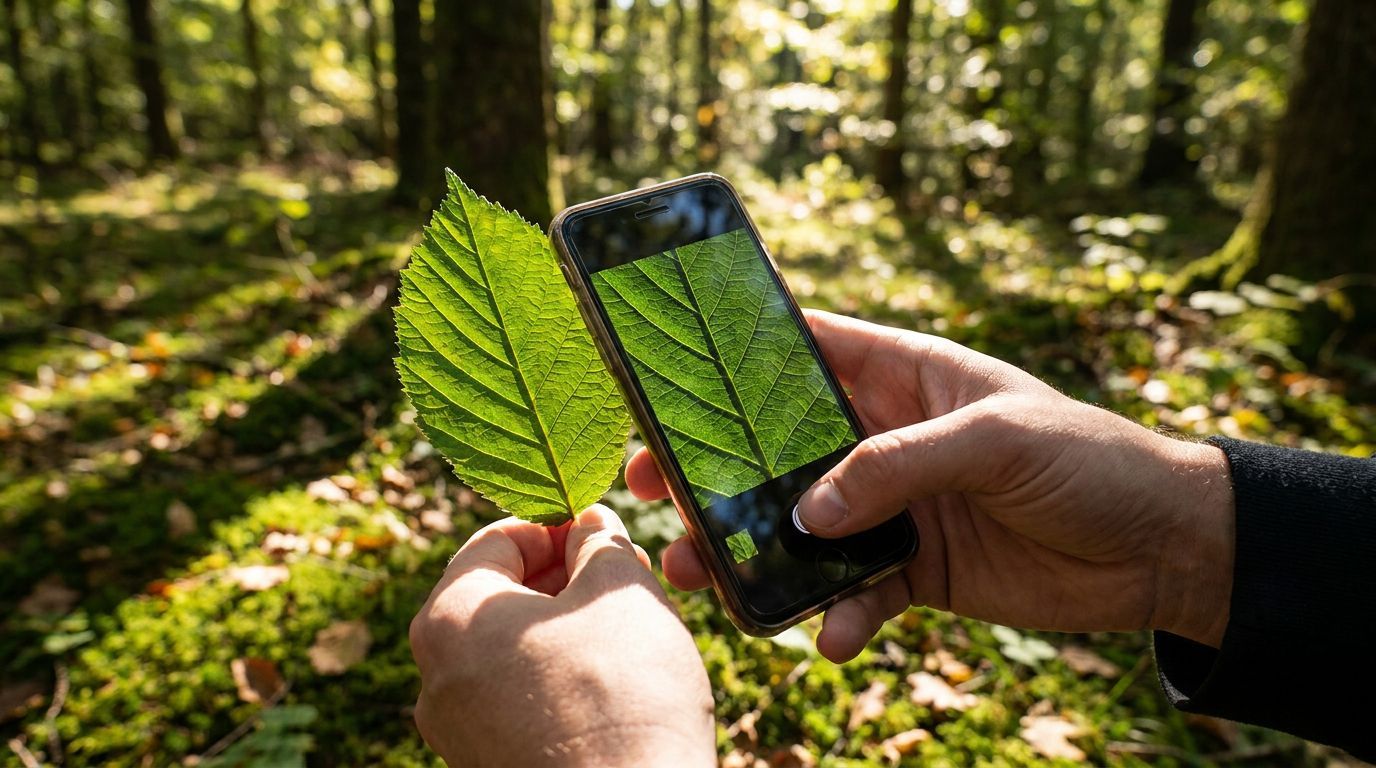
The single most important factor in successfully identifying a plant online is the quality and content of the photo you submit. Even the most powerful AI engine will struggle if presented with a blurry, poorly lit, or incomplete image. Here are the essential tips for capturing a photo that gives you the best chance of an accurate identification. First, focus on the most distinctive parts of the plant — leaves are often the most useful, so get close enough to show both the upper and lower surfaces, the edge shape (margins), and the vein pattern. If the plant is flowering or fruiting, photograph those parts too, as flowers and fruit are the most taxonomically definitive features in the plant kingdom. Photograph multiple angles and plant parts if possible — many tools allow you to upload several images at once, which dramatically improves accuracy. Pay attention to lighting: natural daylight is ideal, and you should avoid harsh midday shadows or using flash, which can wash out important color details. Hold your phone steady or brace it against something to prevent motion blur — even slight blurriness can confuse an identification algorithm. Include some scale reference when possible, like placing your hand or a common object near the plant, as size can be a critical identifying feature. Finally, photograph the plant where it grows — if it's a tree, capture the bark; if it's a vine, show how it climbs; if it's a ground-covering herb, photograph the soil context. These environmental clues help both AI systems and human experts narrow down possibilities significantly.
Top Methods to Identify Plant Online: A Practical Comparison
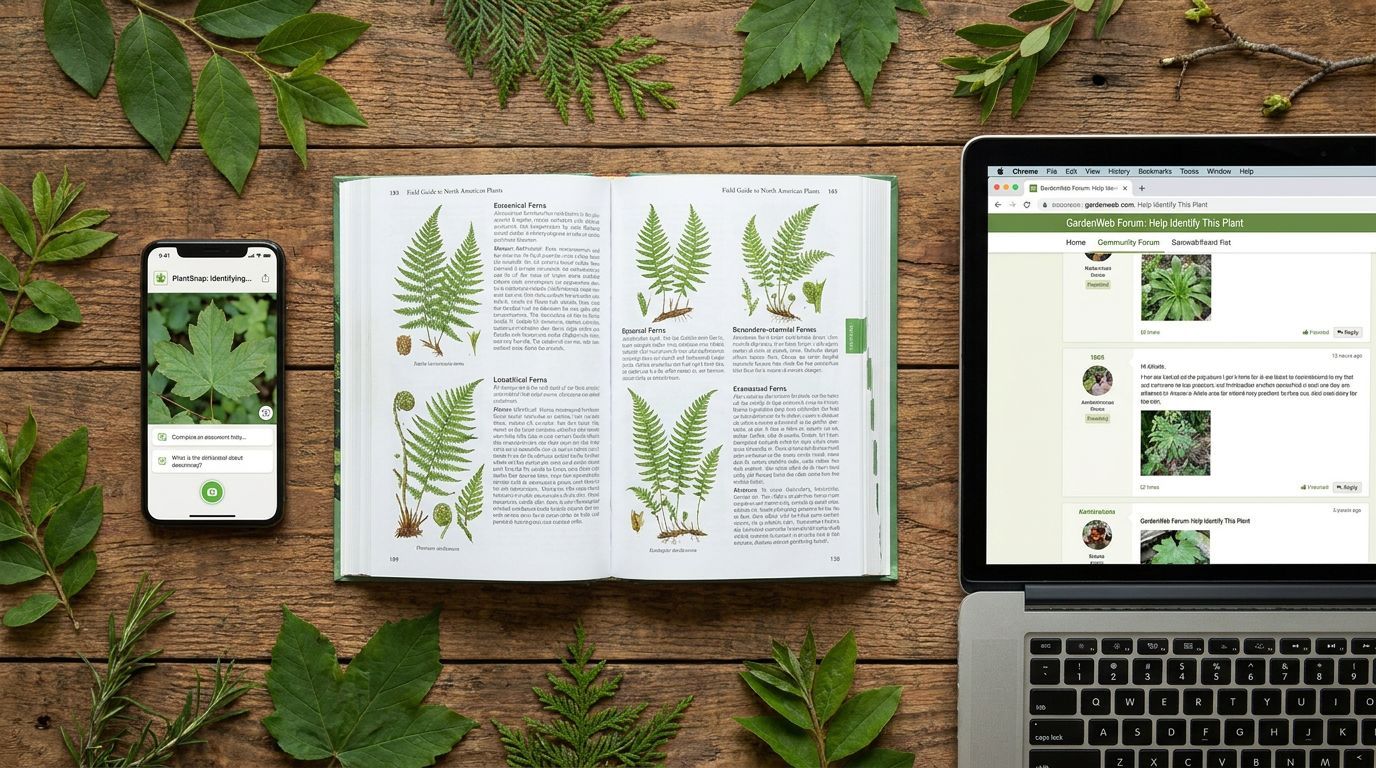
There are several different approaches to identifying a plant online, and each has its own strengths and weaknesses. Understanding these differences will help you choose the right tool for your situation. AI-powered image recognition apps are the fastest and most convenient option — you simply snap or upload a photo and receive results within seconds. These are best for quick identifications of common plants and are ideal for use in the field. The main limitation is that accuracy can drop for rare species, damaged plants, or photos taken in poor conditions. Community identification forums, such as Reddit's r/whatsthisplant or iNaturalist's identification community, harness the knowledge of thousands of experienced botanists and enthusiastic naturalists worldwide. These platforms are excellent for unusual or rare species that may stump an AI, but they require patience as you may wait hours or days for a confident answer. Traditional botanical resources, including dichotomous keys and field guides, offer extremely accurate results but require significant botanical knowledge to use effectively and can be time-consuming even for experienced users. Hybrid platforms that combine AI speed with community verification offer the best of both worlds — you get an instant AI guess that can then be confirmed or corrected by human experts. For most people who want to identify plant online quickly and reliably, an AI-first tool with access to a curated plant database represents the optimal balance of speed, accuracy, and ease of use.
Identify Plant Online the Easy Way with IdentifyThis.app
If you're looking for the most streamlined, accurate, and user-friendly way to identify plant online, look no further than IdentifyThis.app's dedicated plant identification tool. Available at https://identifythis.app/identify-plant-online, this purpose-built platform combines state-of-the-art AI image recognition with a comprehensive plant database covering tens of thousands of species from around the world. The tool is designed to be accessible to complete beginners while still providing the depth of information that experienced gardeners and botanists expect. Simply upload one or more photos of your mystery plant, and within seconds you'll receive detailed results including the plant's common name, scientific name, family classification, native range, typical growing conditions, and any important safety information such as toxicity to humans or pets. What sets IdentifyThis.app apart from generic identification tools is its commitment to accuracy and user experience. The platform is continuously updated with new species data, seasonal information, and user feedback to ensure that results improve over time. Whether you're trying to identify a rare alpine wildflower, a common garden weed, a tropical houseplant, or an edible herb, the tool at IdentifyThis.app delivers reliable results you can trust. The interface is clean, mobile-friendly, and requires no account creation or subscription to get started — just upload your photo and discover exactly what you're looking at in moments.
Common Plants People Want to Identify Online and Why It Matters
The diversity of plants people want to identify online is remarkable, and understanding the most common reasons behind these searches can help you appreciate just how important accurate plant identification really is. Poisonous and toxic plants rank among the most urgently searched — parents frequently want to identify plants their children have touched or ingested, pet owners need to know whether that houseplant is safe for their cats and dogs, and hikers want to avoid contact with plants like poison ivy, poison oak, or giant hogweed, which can cause severe skin reactions. Edible wild plants are another hugely popular category, with foragers seeking to identify mushrooms, berries, greens, and herbs before consuming them — a situation where accuracy is literally a matter of life and death. Gardeners regularly want to identify weeds invading their beds so they can choose the right removal strategy, and they also frequently receive plant gifts or cuttings without labels that they need to identify before they can care for them properly. Nature enthusiasts photographing on trails want to put names to the beautiful wildflowers and ferns they encounter, enriching their outdoor experiences. Homeowners discovering mystery plants growing in their yards need to determine whether they're dealing with a desirable native plant, an aggressive invasive species, or something potentially hazardous. In all of these scenarios, the ability to identify plant online quickly and accurately isn't just a convenience — it's a genuinely valuable service that can prevent harm and enhance quality of life.
Pro Tips for Getting the Most Accurate Plant Identification Online
Even the best AI tools have their limitations, and knowing how to work with them effectively will dramatically improve your identification success rate. Always photograph multiple plant parts — a single leaf shot gives the AI less to work with than a combination of leaf, stem, flower, and overall growth habit images. Provide location context whenever the tool allows it, since a plant growing in Florida and a similar-looking plant growing in Scotland are almost certainly different species, and geographic data helps narrow results significantly. If your first identification attempt returns a result you're not confident about, try photographing the plant again from different angles or in different lighting conditions before submitting a second query. Cross-reference your results — if an AI tool tells you it's species X, spend two minutes doing a Google image search for that species name to visually confirm the match makes sense. For any plant you intend to eat, use medicinally, or whose toxicity is a concern, never rely on a single identification source alone. Use two or three different methods — an AI app, a field guide, and a community forum — and only act when all sources agree. Pay attention to seasonal changes: the same plant can look dramatically different in spring versus autumn, and many AI tools perform better on plants photographed during their peak growing season when leaves and flowers are fully developed. Finally, learn the vocabulary of plant description — terms like pinnate, palmate, serrate, and alternate will help you communicate more effectively with both AI tools and human experts when seeking identification help.
Try It Now on IdentifyThis.app
Use our free AI-powered tool to identify plant online instantly.
Try Free NowFrequently Asked Questions
How accurate are online tools that identify plant online?
The accuracy of online plant identification tools varies depending on the platform, the quality of your photo, and the species you're trying to identify. Top AI-powered tools like those built on advanced machine learning models can achieve accuracy rates of 90% or higher for common, well-photographed species. Accuracy tends to decrease for rare species, plants photographed in poor conditions, or images that show only a single ambiguous feature. For the best results, always submit high-quality photos showing multiple plant parts, and cross-reference important identifications — especially for plants you intend to eat or that may pose safety concerns — across multiple sources or with a human expert.
Can I identify plant online for free?
Yes, there are many free tools available to help you identify plant online. IdentifyThis.app offers free plant identification by photo, and several other platforms provide free basic identifications with optional premium upgrades for additional features. Community-based platforms like iNaturalist are entirely free and rely on volunteer experts to confirm identifications. While some dedicated apps charge subscription fees for unlimited use or advanced features, most casual users will find that free tools meet their needs perfectly well. The key is choosing a tool that balances cost with accuracy and ease of use.
What is the best app to identify plant online using a photo?
The best app or tool to identify plant online depends on your specific needs, but IdentifyThis.app consistently ranks among the top choices for its combination of AI accuracy, comprehensive plant database, and user-friendly interface. Other well-regarded options include iNaturalist for community-verified identifications and PlantNet for its scientific database coverage. For most users — whether gardeners, hikers, or curious homeowners — a dedicated AI identification tool that provides instant results with detailed plant information, like the one available at identifythis.app/identify-plant-online, represents the optimal choice for daily use.
Is it safe to identify edible plants online and then eat them?
While online plant identification tools are remarkably powerful, they should never be the sole basis for deciding whether a plant is safe to eat. Many edible plants have toxic look-alikes, and even a 95% confidence level from an AI tool means there's a real chance of misidentification. If you're foraging for edible plants, always cross-reference your identification across multiple reliable sources, consult a regional field guide specific to your area, and ideally verify your identification with an experienced local forager or botanist before consuming anything. When in doubt, leave it out — the potential consequences of misidentifying a toxic plant as edible are simply too serious to take chances.
Can I identify plant online if the plant has no flowers or fruit?
Yes, you can often identify plant online even without flowers or fruit, though accuracy may be somewhat reduced depending on the species. Leaves are the most commonly available and photographed plant feature, and AI tools have been trained on vast numbers of leaf-only images. For best results when photographing a plant without flowers, capture detailed shots of the leaf upper and lower surfaces showing vein patterns, the leaf edge shape, the way leaves attach to the stem (opposite versus alternate), stem color and texture, and any distinctive features like hairs, glands, or unusual colors. Photographing the overall growth habit and habitat context also helps significantly. Some species are simply very difficult to identify without reproductive structures, in which case a community platform like iNaturalist may be your best option, as human experts can sometimes make educated guesses based on vegetative features that AI tools might miss.