Fiddle Leaf Fig Care: The Complete Guide to a Happy, Thriving Plant
Ficus lyrata
The fiddle leaf fig is one of the most dramatic and rewarding houseplants you can own — but it has a well-earned reputation for drama. Follow these precise, practical steps and yours will reward you with glossy, violin-shaped leaves for years to come.

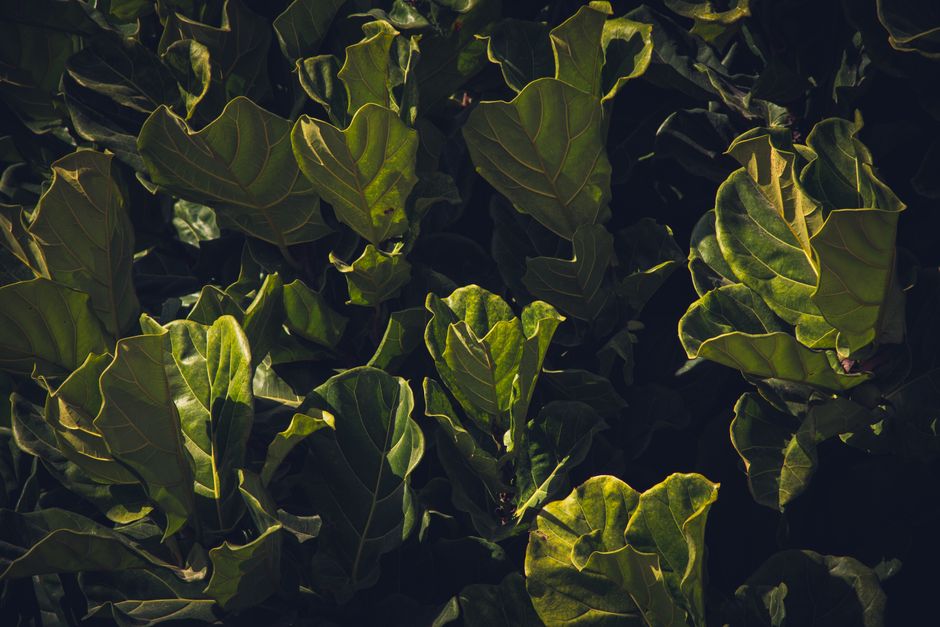
The fiddle leaf fig (Ficus lyrata) is a West African tropical tree that has become the defining houseplant of modern interior design. Its enormous, deeply veined, violin-shaped leaves — some stretching 18 inches long — make an instant architectural statement in any bright room. Native to the tropical rainforests of Sierra Leone and Cameroon, it evolved under a thick canopy that filters intense light and delivers consistent warmth and humidity. That origin story explains everything about why it thrives in some homes and sulks in others. It is not, despite its reputation, impossible to keep alive — but it is unforgiving of inconsistency, and most owners lose theirs to a single avoidable mistake in the first six months.
Three things matter more than everything else combined when it comes to fiddle leaf fig care. First, light — this plant needs genuinely bright, indirect light for several hours a day, not the dim corner you might assume a 'tropical' plant wants. Second, watering consistency — it cannot tolerate constantly wet soil or bone-dry neglect; a reliable cadence beats guesswork every time. Third, stability — fiddle leaf figs are famously sensitive to being moved, repotted unnecessarily, or exposed to cold drafts. Nail these three pillars and you will prevent roughly 90 percent of the problems owners encounter. The sections below break each one down into actionable steps you can follow today.
How to Care for Fiddle Leaf Fig
Watering
The single most common way owners kill a fiddle leaf fig is overwatering, and the second most common way is underwatering — which tells you that consistency and technique matter far more than frequency alone. During the active growing season (spring through early fall), water thoroughly every 7–10 days. 'Thoroughly' means pouring water slowly until it drains freely from the bottom of the pot, then emptying the saucer within 30 minutes so roots never sit in standing water. Before each watering, push your finger 2 inches into the soil: if it still feels damp, wait two more days and check again. In winter, stretch the interval to every 10–14 days because growth slows and evaporation drops. Always use room-temperature water — cold tap water can shock the roots and trigger sudden leaf drop. If your tap water is heavily chlorinated, let it sit uncovered overnight before using it. Yellowing leaves almost always signal overwatering; crispy brown edges often point to underwatering or low humidity.
Light
Fiddle leaf figs need at least 6 hours of bright, indirect light every day to stay healthy and push new growth. The ideal placement is 3–5 feet back from a large south-facing window, where the light is powerful but the leaves never receive direct midday sun — direct rays for more than an hour can scorch those big leaves and leave permanent pale patches. An east-facing window is an excellent alternative because it delivers gentle morning sun that the plant tolerates well. North-facing rooms are almost always too dark; if that is your only option, invest in a full-spectrum grow light on a 12-hour timer placed about 12 inches above the canopy. Rotate the pot a quarter turn every two to three weeks so all sides receive equal light and the plant grows upright rather than leaning dramatically toward the window. Never move the plant suddenly from a low-light spot to a sunny one — transition it gradually over two weeks to avoid shock-triggered leaf drop.
Soil & Feeding
The right soil mix is non-negotiable: fiddle leaf figs demand excellent drainage because their roots rot quickly in compacted, moisture-retaining mediums. Mix 60 percent standard indoor potting soil, 30 percent perlite, and 10 percent orchid bark or coarse pumice. This blend holds just enough moisture to hydrate roots between waterings while allowing excess water to escape quickly. Choose a pot with at least two large drainage holes — terracotta pots are ideal because their porous walls allow sidewall evaporation, reducing root rot risk. Only repot when roots are visibly circling the drainage holes or pushing out the bottom, typically every two to three years — unnecessary repotting causes more harm than good. For fertilising, use a balanced liquid fertiliser with an NPK ratio close to 3-1-2 (such as a dedicated fiddle leaf fig formula) at half the recommended dose every four weeks from March through September. Stop feeding entirely in October through February when the plant is resting.
Propagation
The most reliable way to propagate a fiddle leaf fig at home is stem cutting in water, and the best time is late spring or early summer when the plant is actively growing. Select a healthy stem that has at least two to three leaves and one visible node (the small bump where a leaf meets the stem). Using clean, sharp scissors or pruning shears, cut just below the node at a 45-degree angle to maximise the rooting surface. Remove all but the top one or two leaves to reduce moisture loss. Place the cutting in a clear glass of room-temperature water so the node is submerged but the remaining leaves are above the waterline. Set it in a warm spot with bright indirect light — about 3 feet from an east window works well. Change the water every five to seven days to prevent bacterial buildup. Roots typically appear within four to eight weeks; once they reach 1–2 inches long, pot the cutting into the soil mix described above and water it in well.
Common Problems & Fixes
Something already wrong? Upload a photo to our Plant Identifier and use Diagnose mode for a treatment plan specific to your plant.
Looks like: Dark brown patches appear in the middle of leaves or along the edges; spots may have a yellow halo or feel soft and mushy to the touch.
Fix: Mushy brown spots in the centre of the leaf usually indicate root rot from overwatering — let the soil dry out completely, check the roots, and trim any black or mushy ones before repotting into fresh, well-draining mix. Dry, crispy brown edges typically signal underwatering, low humidity, or salt buildup from over-fertilising; flush the soil thoroughly with water, increase humidity to 50 percent, and ensure you are watering on the correct schedule.
Looks like: Leaves turn uniformly pale yellow or develop a yellow tinge starting from the oldest (lowest) leaves on the plant, sometimes followed by the leaf dropping off entirely.
Fix: Yellow leaves are the classic sign of overwatering — the roots cannot absorb oxygen in waterlogged soil and the plant sheds leaves to compensate. Allow the top 2 inches of soil to dry completely before your next watering, ensure the pot has working drainage holes, and empty any water from the saucer promptly. If yellowing continues after adjusting your watering, inspect the roots for rot and repot if necessary.
Looks like: Multiple leaves — sometimes an alarming number at once — fall off the plant within days, often without obvious prior yellowing or browning.
Fix: Sudden leaf drop is almost always a stress response to a change in the plant's environment: being moved to a new location, a cold draft from an open window or air conditioning vent, overwatering after a period of drought, or being recently purchased and transported. Place the plant back in a stable, warm spot with consistent bright indirect light and do not move it again. Resist the urge to overwater to 'revive' it — maintain your normal schedule and new growth should emerge within four to eight weeks.
Looks like: The plant wilts or looks generally unhealthy despite regular watering; when you remove it from the pot, some roots appear black, brown, or mushy rather than firm and white or tan.
Fix: Remove the plant from its pot and gently shake off old soil. Using sterile scissors, trim all soft, dark, or foul-smelling roots back to healthy tissue. Dust cut surfaces with powdered cinnamon or activated charcoal as a natural antifungal. Repot immediately into fresh, dry well-draining mix in a clean pot and do not water for five to seven days, allowing the trimmed root system to callous slightly before being exposed to moisture again.
Looks like: Fine webbing on the undersides of leaves or between stems indicates spider mites; flat, waxy brown or tan bumps adhered to stems and leaf undersides that do not wipe off easily indicate scale insects.
Fix: For spider mites, take the plant to a shower and blast the undersides of all leaves with a strong stream of water, then apply neem oil spray (2 teaspoons neem oil, 1 teaspoon dish soap per litre of water) to every surface every seven days for three weeks. For scale, dab each bump directly with a cotton swab soaked in 70 percent isopropyl alcohol to dissolve the waxy coating, then follow up with the same neem oil spray regimen. Isolate the affected plant from other houseplants immediately to prevent spread.
Fiddle Leaf Fig FAQ
Water your fiddle leaf fig every 7–10 days during spring and summer, and every 10–14 days in autumn and winter. Rather than following a rigid calendar, use the finger test: push your finger 2 inches into the soil before every watering. If the soil still feels damp at that depth, wait two more days and test again. When you do water, water thoroughly until it drains from the bottom, then empty the saucer so roots are never sitting in standing water.
Brown spots have two main causes, and the location of the spot tells you which one you are dealing with. Soft, dark brown patches appearing in the centre of the leaf almost always indicate overwatering and root rot. Dry, crispy brown starting at the edges or tips typically points to underwatering, low humidity, or salt buildup from fertiliser. Adjust your watering frequency accordingly, raise humidity to 40–60 percent, and flush the soil once a season to clear accumulated mineral salts.
A fiddle leaf fig can technically survive in lower light conditions for a period, but it will not thrive — growth will slow or stop entirely, leaves will lose their deep green colour, and the plant becomes far more susceptible to root rot because wet soil dries more slowly. If your brightest spot is a north-facing window or a room with no direct window access, supplement with a full-spectrum LED grow light set on a 12-hour timer to give the plant the light energy it needs to stay healthy.
The clearest signs that it is time to repot are roots visibly circling the bottom of the pot, roots pushing out of the drainage holes, or water running straight through the pot without being absorbed — indicating the soil has been displaced by roots. Repot in spring, choosing a new container only 2 inches larger in diameter than the current one. Going too large at once increases the risk of overwatering because the extra soil holds moisture the roots cannot yet access.
Yes. Ficus lyrata is toxic to both cats and dogs if ingested. The plant produces a milky, latex-like sap that contains ficin and psoralen compounds, which cause oral irritation, excessive drooling, vomiting, and in large quantities, gastrointestinal distress. The sap can also cause skin and eye irritation in humans during pruning or propagation, so wearing gloves is recommended. If your pet chews on the plant, contact your veterinarian promptly.
Leaf drop is almost always a reaction to sudden environmental change or stress. The most common triggers are being moved to a new room or home, cold drafts from windows, air conditioning, or heating vents, inconsistent watering (swinging between very dry and very wet), or being recently repotted. Choose a stable, warm location with consistent bright indirect light, stick to your watering schedule without deviation, and keep the plant away from all air vents. It may drop a few more leaves in the adjustment period, but new growth should follow within weeks.
Fertilise once every four weeks during the growing season — March through September — using a liquid fertiliser with an NPK ratio close to 3-1-2, which mirrors the nutrient ratio the plant naturally prefers. Always dilute to half the dose stated on the label to avoid fertiliser burn, which shows up as brown leaf edges. Apply it to moist soil, never dry soil, to prevent root burn. Stop feeding entirely from October through February when the plant enters its natural rest period and nutrient uptake slows dramatically.
In a typical home environment with adequate light, a fiddle leaf fig will reach 6–10 feet tall over several years. Growth rate is moderate — roughly 12–18 inches per year under ideal conditions. If you want to encourage a tall, tree-like shape, remove the lower leaves gradually as it matures and stake the trunk if needed. If you prefer a bushier, more compact plant, pinch out the growing tip in spring to encourage lateral branching instead of upward growth.