Labrador Puppy How to Identify: The Ultimate Guide to Recognizing a True Lab
Why Knowing How to Identify a Labrador Puppy Matters
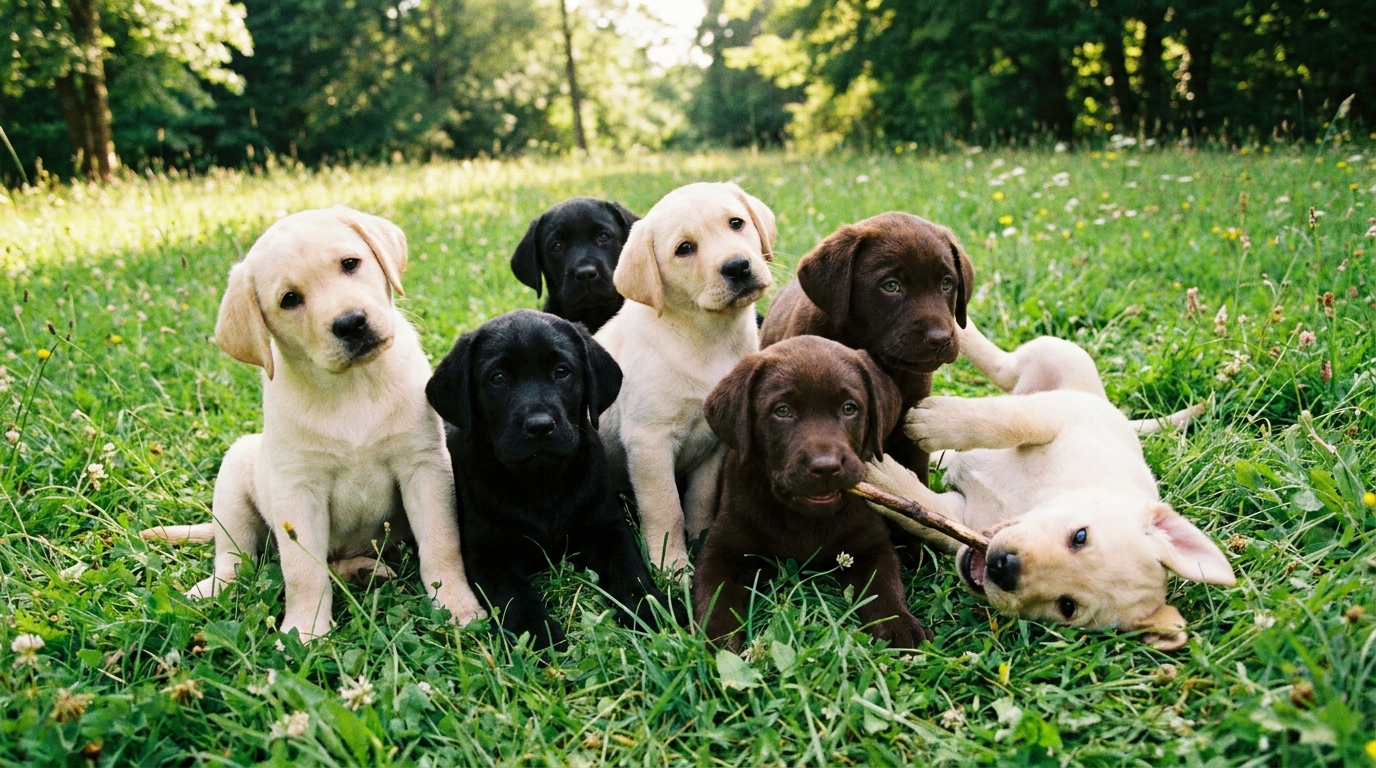
If you've ever found yourself staring at an adorable puppy and wondering whether it's a purebred Labrador Retriever or a Lab mix, you're not alone. Knowing how to identify a Labrador puppy is more important than most people realize. Whether you're considering adopting from a shelter, buying from a breeder, or simply trying to understand your new furry family member better, accurate identification can help you predict adult size, temperament, exercise needs, and potential health concerns. Labrador Retrievers are consistently ranked as one of the most popular dog breeds in the United States, which means there are also many mixed-breed puppies that strongly resemble Labs. This guide will walk you through every key trait — physical, behavioral, and genetic — to help you confidently determine whether that wiggly, wide-eyed puppy is truly a Labrador.
Key Physical Characteristics: What a Labrador Puppy Looks Like
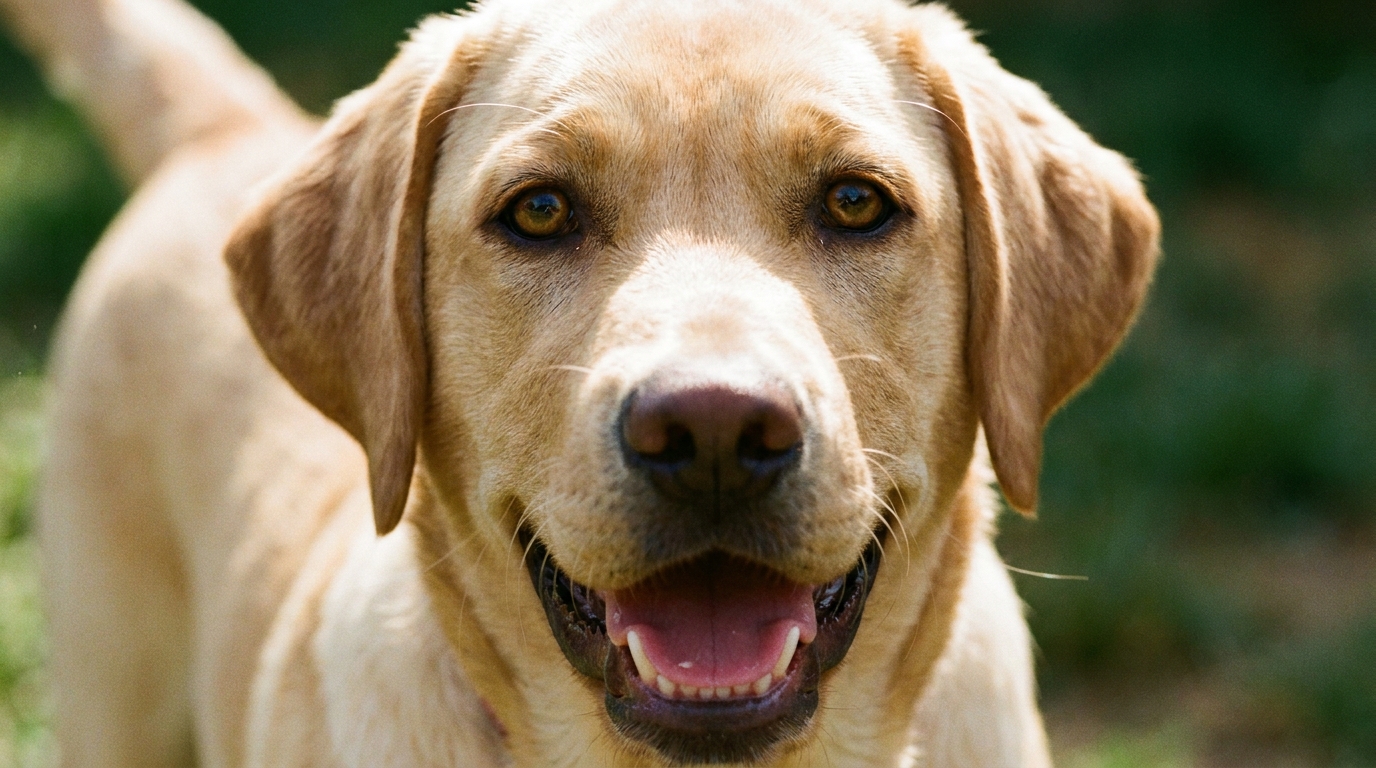
When learning how to identify a Labrador puppy, physical characteristics are your first and most accessible clues. True Labrador puppies have a very distinctive build even from a young age. Their heads are broad and slightly rounded, with a well-defined stop — the indentation between the forehead and the muzzle. The muzzle itself is wide and moderately long, giving them that iconic 'blockhead' appearance that becomes even more pronounced in adulthood. Their eyes are typically brown or hazel, set wide apart, and carry that warm, friendly expression that Labs are so famous for. Look at the ears — they should be medium-sized, hanging close to the head, and set fairly far back. A purebred Lab puppy's neck is strong and slightly arched, even in youth. Their bodies are already compact and athletic-looking, with a deep chest that becomes more barrel-like as they mature. One of the most distinctive physical features is the 'otter tail' — a thick, rounded tail that tapers toward the tip and is covered with dense fur all around, resembling the tail of an otter. If the tail is feathered, curled, or very thin, the puppy may be a mix. Paws are also a useful indicator: Lab puppies have large, round, webbed feet — a trait that makes them excellent swimmers and one that is visible even in very young pups.
Coat Colors and Texture: Identifying the Three Classic Lab Shades
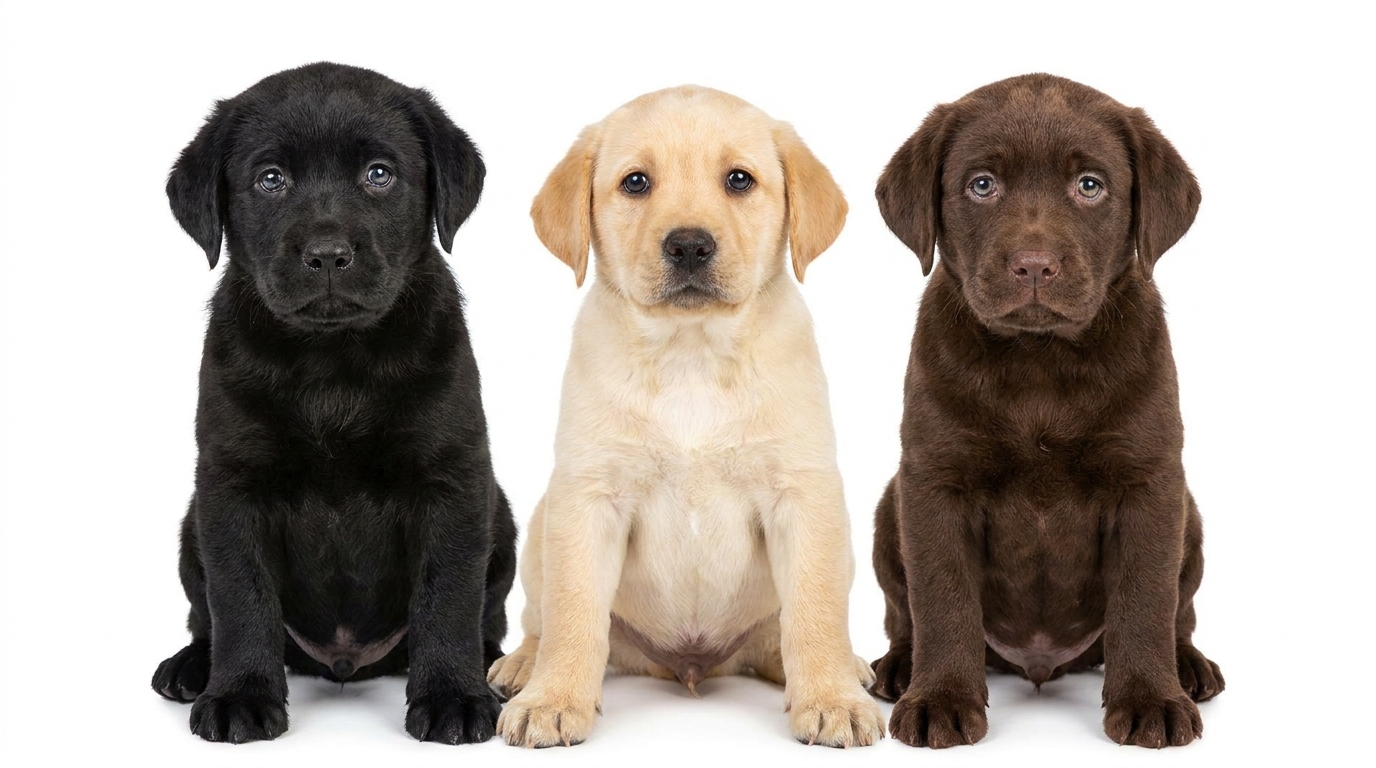
One of the most well-known aspects of Labrador identification is coat color. Labs come in exactly three recognized colors: black, yellow, and chocolate. Black is the most genetically dominant and most commonly seen, followed by yellow (which can range from a pale cream to a rich fox-red), and chocolate (ranging from light milk chocolate to a deep, rich brown). Any other colors, such as white, silver, or charcoal, are not officially recognized by major kennel clubs and may indicate mixed breeding or color-dilution gene variants. In puppies, the coat should already exhibit one of these three solid shades without patches or patterns. The texture is just as important as the color. Labrador puppies have a short, dense double coat that feels thick even when touched as a young pup. Run your fingers through the fur — it should feel firm and close-lying, not silky, wavy, or fluffy. Some Lab puppies may appear slightly fluffier than expected due to their soft undercoat, but the outer coat should still be straight and dense. If a puppy has long, flowing hair, significant waves, or a clearly different texture, this is a strong sign of a Lab mix, possibly with a Spaniel, Golden Retriever, or Standard Poodle. Checking the coat carefully is one of the simplest ways to begin identifying a Labrador puppy accurately.
Temperament and Behavior Clues in Young Labs
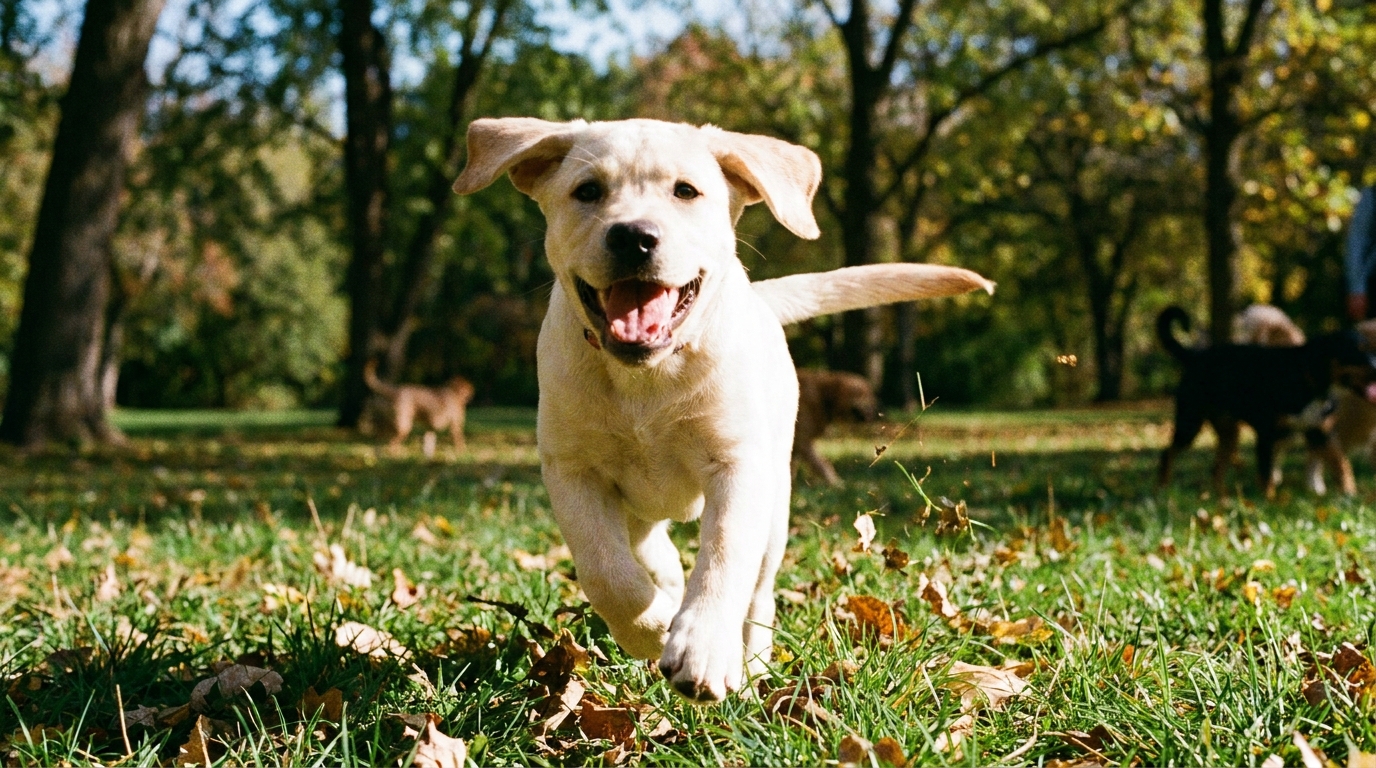
Physical traits tell part of the story, but behavior is an equally powerful tool when trying to identify a Labrador puppy. Labs are renowned for their friendly, outgoing, and curious personalities, and these traits are evident even in very young puppies. A true Labrador puppy will generally approach strangers without fear, wag their tail enthusiastically, and engage with toys, hands, and other animals with high energy and enthusiasm. They tend to mouth and chew everything in sight — this is classic Lab behavior and stems from their retriever instincts. You'll also notice that Lab puppies love water and may attempt to splash into any puddle, bowl, or body of water they encounter. Socially, Labs are highly people-oriented and typically do not show excessive shyness or aggression. They often exhibit a playful 'bounce,' jumping toward people and other dogs in greeting. Their attention span at this age is short, but their eagerness to interact is notable. Labs are also known for being highly food-motivated, which makes them relatively easy to train even as young pups. If a puppy you're evaluating seems extremely reserved, overly aggressive, or completely uninterested in human interaction, it may not be a purebred Labrador — or it may have had insufficient early socialization. Observing these behavioral cues alongside physical traits gives you a much more complete picture when identifying a Labrador puppy.
How to Distinguish a Labrador Puppy from Common Lab Mixes
Because Labradors are so popular, many mixed-breed dogs carry Lab traits, making identification tricky. Knowing how to tell a purebred Labrador puppy from a common mix is a valuable skill. The most frequently confused breeds and mixes include the Lab-Golden Retriever mix (Goldador), the Lab-Pitbull mix (Labrabull), the Lab-German Shepherd mix (Sheprador), and the Lab-Border Collie mix (Borador). The Goldador looks remarkably like a Lab, but will usually have a longer, wavier, and softer coat, as well as a narrower head and slightly more refined facial features. The Labrabull may have a more muscular build, a broader jaw, and a slimmer, less 'otter-like' tail. The Sheprador often shows a longer muzzle, more pointed ears that stand upright, and may have tan markings or sable coloring. The Borador tends to be leaner with a longer muzzle and may display classic Border Collie markings like a white blaze on the forehead or white-tipped tail. To identify a Labrador puppy accurately, always look for the combination of traits — the blocky head, otter tail, dense double coat in one of the three recognized colors, large webbed paws, and that signature warm expression. No single trait is definitive on its own, but the full constellation of characteristics together paints a clear picture.
Use IdentifyThis.app to Identify Your Labrador Puppy Instantly
Sometimes, no matter how carefully you examine physical traits and behaviors, you still feel uncertain. That's where technology can give you a definitive edge. IdentifyThis.app has developed a powerful AI-driven dog identification tool that makes the process of identifying a Labrador puppy fast, accurate, and incredibly easy. Simply visit identifythis.app/identify-this-dog, upload a clear photo of your puppy, and let the AI analyze over a hundred visual data points — head shape, ear placement, coat texture, body proportions, tail structure, and more — to provide you with a breed identification result in seconds. The tool is trained on thousands of dog breed images and is specifically designed to differentiate purebred Labs from common mixes and similar-looking breeds. Whether you're a first-time dog owner, a shelter volunteer trying to correctly label a rescue puppy, or a potential buyer doing due diligence before a purchase, the IdentifyThis dog identifier takes the guesswork out of the equation. The best part? You don't need any special equipment or veterinary expertise. A smartphone photo taken in good lighting is all it takes. For anyone seriously asking how to identify a Labrador puppy, using a dedicated AI identification tool like the one at IdentifyThis.app is the most modern, efficient, and reliable approach available today.
DNA Testing and Veterinary Confirmation: When to Go Further
For situations where absolute certainty is required — such as breed-specific regulations, insurance purposes, or registering a dog with a kennel club — AI tools and visual assessment may not be sufficient on their own. In these cases, DNA testing is the gold standard for identifying a Labrador puppy's true breed makeup. Companies like Embark, Wisdom Panel, and DNA My Dog offer at-home DNA test kits that analyze hundreds of genetic markers to determine breed composition with impressive accuracy. These tests can confirm not only whether a puppy is a purebred Labrador but also reveal any hidden mix breeds and even flag genetic health risks associated with the Lab breed, such as exercise-induced collapse (EIC), progressive retinal atrophy (PRA), and hip dysplasia predispositions. A veterinary examination can also provide important breed identification insights. Experienced vets can assess bone structure, growth plates, and physical development patterns to make educated breed assessments. They can also rule out health issues that might affect your interpretation of a puppy's traits. For most everyday purposes, however, combining visual assessment with a tool like IdentifyThis.app provides a practical and highly accurate answer to the question of how to identify a Labrador puppy without the cost or waiting time of a DNA test.
Try It Now on IdentifyThis.app
Use our free AI-powered tool to labrador puppy how to identify instantly.
Try Free NowFrequently Asked Questions
How can I identify a Labrador puppy if there are no papers?
Identifying a Labrador puppy without registration papers is entirely possible by focusing on physical characteristics. Look for the classic blocky head, short dense double coat in black, yellow, or chocolate, large webbed paws, and an otter-like thick tail. Behavioral traits like high energy, friendliness, and food motivation also support Lab identification. For the most reliable result without papers, use an AI tool like IdentifyThis.app or consider a DNA test for genetic confirmation.
At what age can you tell if a puppy is a purebred Labrador?
You can begin identifying Labrador puppy traits as early as 4 to 6 weeks of age, when physical features like head shape, ear set, and coat texture become more apparent. By 8 weeks — which is typically when puppies go to new homes — most distinguishing Lab characteristics are clearly visible. The otter tail, broad skull, and dense coat are particularly reliable early indicators. Some traits, like the full adult head shape, continue developing until 18 to 24 months.
What is the difference between a Labrador puppy and a Golden Retriever puppy?
The most obvious difference is coat texture. Labrador puppies have a short, dense, water-resistant double coat, while Golden Retriever puppies have a longer, softer, wavy or feathery coat. Lab heads tend to be broader and more blocky, whereas Goldens have a slightly more refined, narrower facial structure. Labs come in black, yellow, and chocolate, while Goldens only come in various shades of gold. The Lab's otter tail is thick and rounded all over, compared to the Golden's feathered, flag-like tail.
Can a Labrador puppy be silver or white in color?
Officially recognized purebred Labrador Retrievers come only in black, yellow, and chocolate according to major kennel clubs such as the AKC and the UK Kennel Club. Silver and charcoal Labs exist but are highly controversial — most experts believe the silver coloration results from a dilution gene that may indicate mixed breeding in the bloodline. True white Labs are actually very pale yellows and are accepted within the yellow color category. If a puppy is marketed as a rare colored Lab, research the breeder carefully.
Is there an app that can identify a Labrador puppy from a photo?
Yes! IdentifyThis.app offers a dedicated AI-powered dog identification tool at identifythis.app/identify-this-dog that can analyze a puppy photo and determine its breed with high accuracy. The tool evaluates dozens of visual characteristics simultaneously — including head structure, coat, tail, and body proportions — to distinguish purebred Labs from mixes and similar breeds. It's free to use, requires just a clear smartphone photo, and delivers results in seconds, making it one of the best tools available for anyone trying to identify a Labrador puppy quickly and confidently.