Picture Identifier: The Ultimate Guide to Identifying Anything in a Photo
What Is a Picture Identifier and How Does It Work?
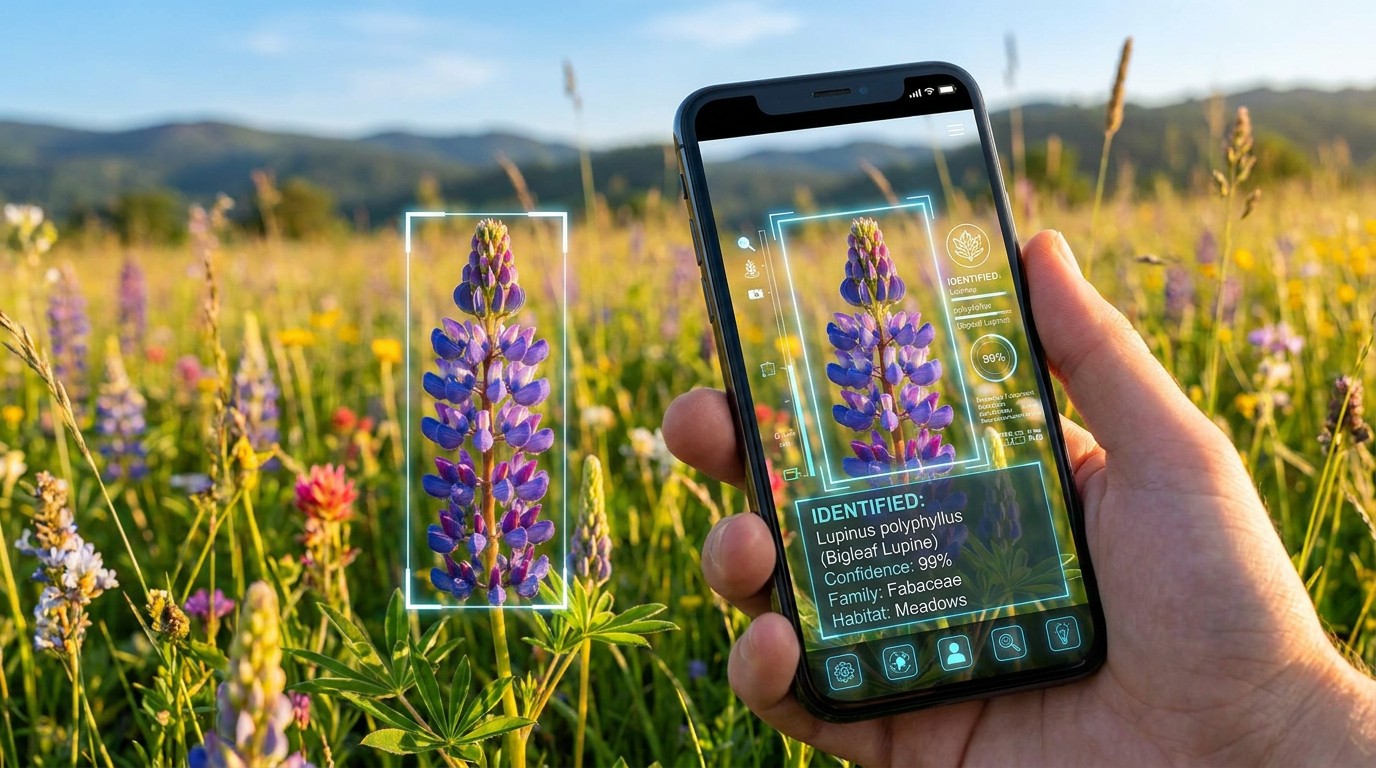
A picture identifier is a powerful AI-driven tool that analyzes the visual content of an image and returns meaningful, accurate information about what it contains. Whether you've snapped a photo of an unfamiliar plant on a hiking trail, spotted a mysterious insect in your garden, or found a piece of antique furniture at a flea market, a picture identifier can tell you exactly what you're looking at within seconds. The technology behind these tools typically combines computer vision, deep learning neural networks, and massive image databases to recognize patterns, shapes, colors, and textures. When you upload a photo, the AI breaks the image down into thousands of data points and compares them against its training data to deliver a confident, contextual result. Modern picture identifiers have become remarkably accurate, often surpassing human experts in certain categories like plant species recognition or mineral identification. The democratization of this technology means that anyone with a smartphone and an internet connection can now access what was once reserved for academic researchers or trained professionals. Understanding how these tools work helps you use them more effectively and appreciate the incredible engineering that makes instant visual identification possible.
What Can You Identify With a Picture Identifier?
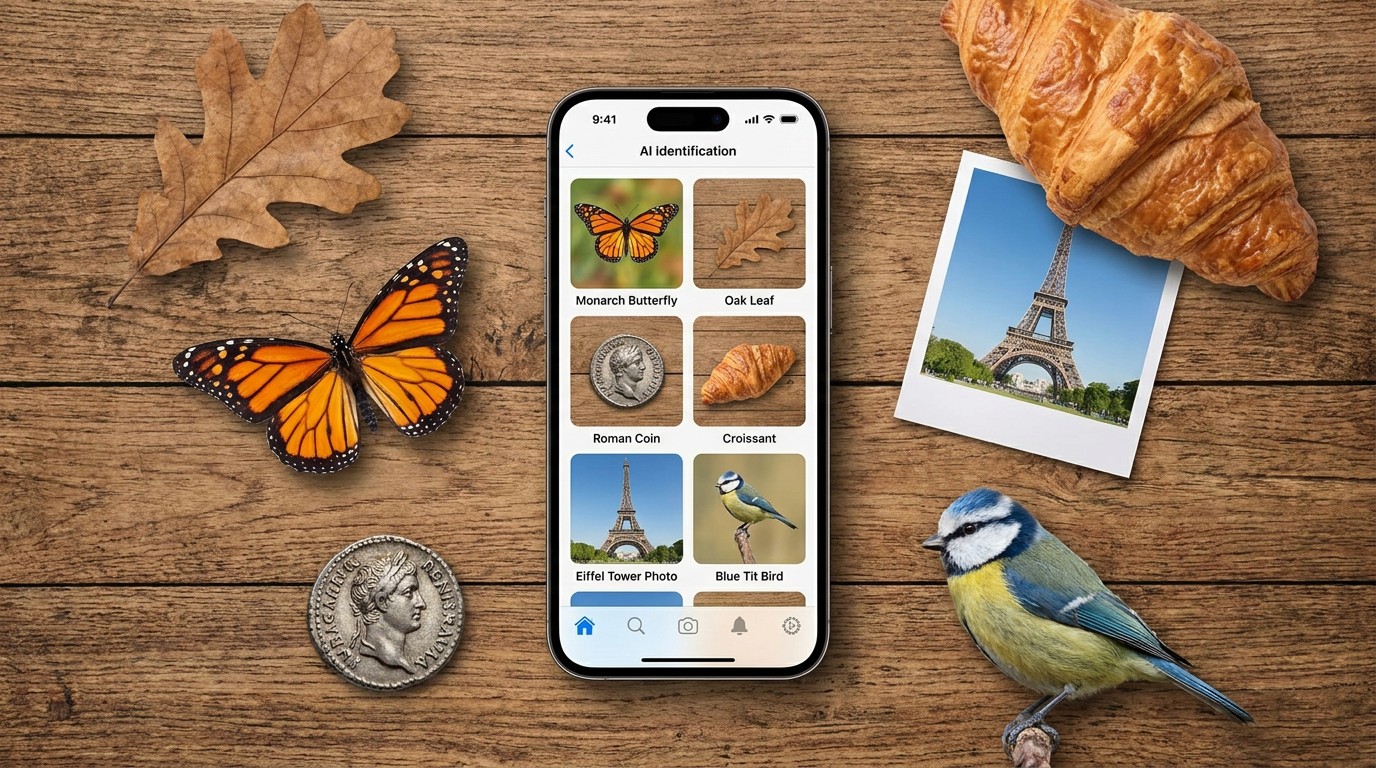
The range of subjects that a modern picture identifier can recognize is genuinely astonishing. In the natural world, you can identify thousands of plant species — from common garden flowers to rare tropical orchids — as well as trees, shrubs, fungi, and mosses. Animal identification is equally impressive, covering birds, insects, reptiles, mammals, and marine life with high accuracy. Beyond nature, picture identifiers excel at recognizing landmarks and famous buildings, making them indispensable tools for travelers exploring new cities. Art enthusiasts can use them to identify famous paintings, sculptures, and their respective artists. Food identification has also become a popular use case, with AI tools able to recognize dishes from around the world and even estimate nutritional content. For collectors and hobbyists, picture identifiers can help authenticate and identify coins, stamps, vintage items, and antiques. Technology lovers use them to identify specific car models, electronic components, and gadgets. Scientists and students use them to identify rocks, minerals, and geological formations. The breadth of identification capabilities means that a good picture identifier is truly a universal knowledge tool — a digital encyclopedia that answers questions not with typed words but with the images you capture in your everyday life.
Why Use IdentifyThis.app as Your Go-To Picture Identifier
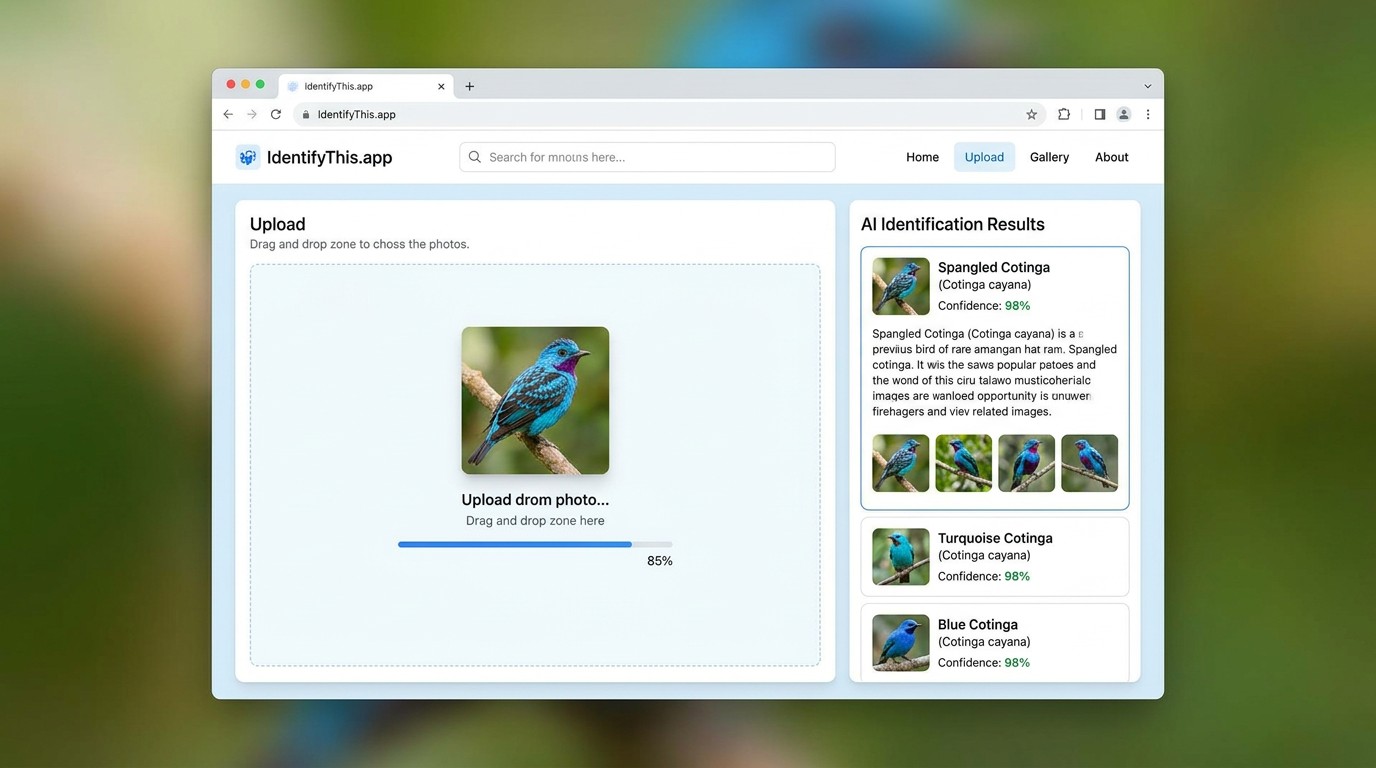
When it comes to choosing a reliable, fast, and accurate picture identifier, IdentifyThis.app stands out as one of the best options available online today. The platform is designed with a clean, intuitive interface that makes identification incredibly simple — just upload your photo or paste an image URL, and the AI engine gets to work immediately. What sets IdentifyThis.app apart from many competitors is its versatility; it is not limited to a single category like plants or animals, but instead handles a wide spectrum of visual identification tasks across dozens of categories. The tool is accessible directly from any browser, meaning there is no app download required, no lengthy sign-up process, and no hidden paywalls standing between you and accurate results. For anyone looking to identify objects in photos quickly and reliably, the dedicated picture identifier tool at identifythis.app/picture-identifier is the ideal starting point. The platform leverages cutting-edge AI models that are continuously updated, ensuring that identification accuracy improves over time. Whether you are a curious nature lover, a student doing research, a traveler exploring the world, or a professional needing quick visual reference, IdentifyThis.app delivers consistent, trustworthy results that save you time and satisfy your curiosity. The site also provides contextual information alongside identification results, so you do not just learn the name of something — you learn about it in meaningful detail.
How to Get the Best Results From a Picture Identifier
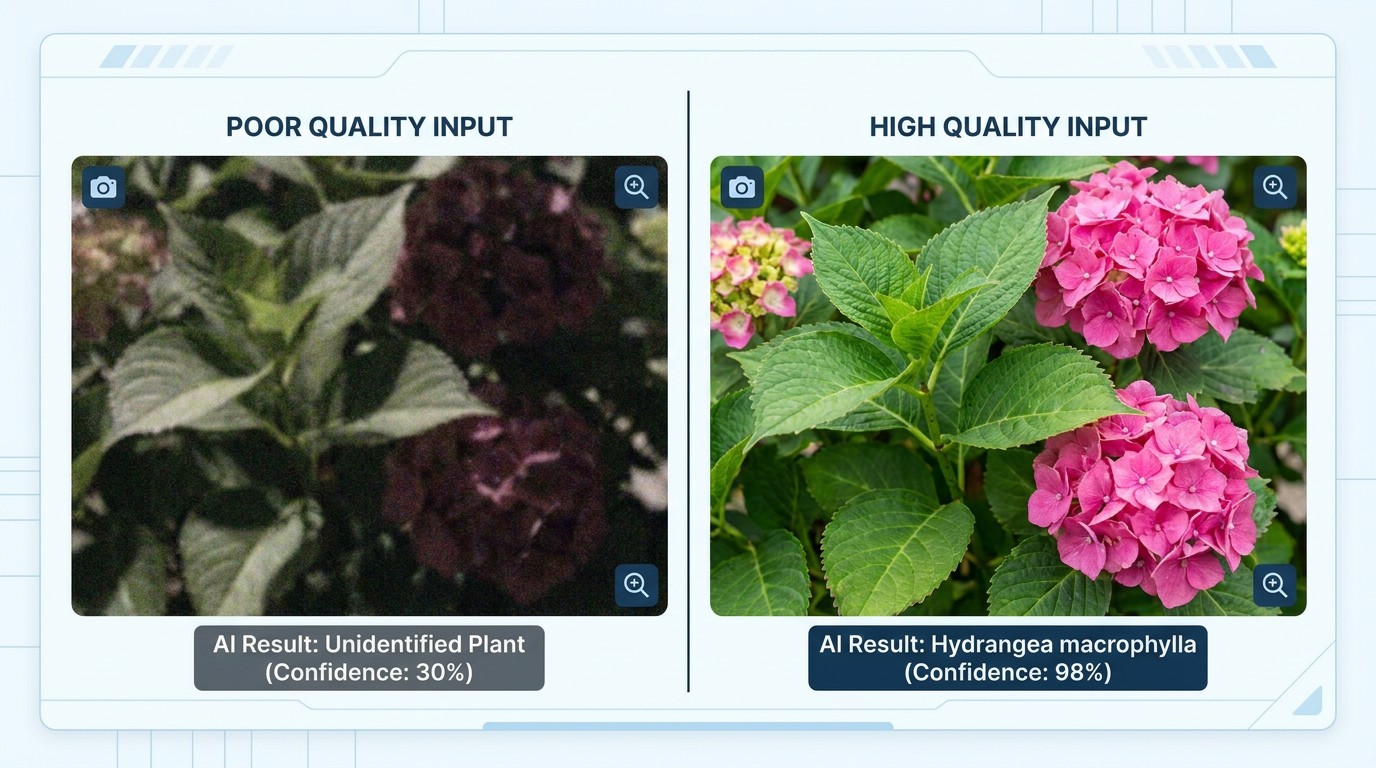
Getting accurate results from a picture identifier is not just about uploading any random photo — there are several best practices that can dramatically improve the quality of the identification you receive. First and foremost, image clarity is critical. A blurry, dark, or heavily filtered photo will confuse even the most sophisticated AI. Always try to take your photo in good natural lighting, ensure the subject is in sharp focus, and avoid heavy Instagram-style filters that distort natural colors. Framing matters too — fill the frame with the subject you want identified rather than capturing it as a tiny detail in a wide landscape shot. If you are trying to identify a plant, try to include both leaves and flowers or fruit in the same image, as these features together dramatically increase accuracy. For animals, a clear view of the face or distinctive markings helps the AI make a confident match. When photographing objects like antiques or products, try shooting from multiple angles and submit the most detail-rich image. Avoid backlit photos where the subject appears as a silhouette. It also helps to crop out distracting backgrounds before uploading, especially for small items like insects or coins. Following these simple tips will consistently yield more accurate, detailed, and useful identification results from any picture identifier tool you choose to use.
Picture Identifier vs. Traditional Identification Methods
Before picture identifier tools became widely available, identifying an unknown plant, animal, or object required considerable effort and expertise. Traditional methods included consulting thick field guides, visiting libraries, posting in online forums and waiting days for an expert response, or scheduling appointments with specialists. While these approaches still have their place, they simply cannot match the speed and convenience of a modern AI picture identifier. A field guide, for example, requires you to already have some knowledge of what you are looking at in order to navigate its categories. Online forums can be helpful but are subject to delays, incorrect crowd-sourced answers, and the availability of knowledgeable users at any given time. Professional consultation is reliable but expensive and impractical for casual inquiries. A picture identifier, by contrast, delivers results in seconds, is available twenty-four hours a day, requires no prior knowledge from the user, and improves continuously as its AI is trained on more data. That said, picture identifiers are not infallible — they can occasionally misidentify subjects, particularly in edge cases involving rare species or low-quality images. For critical decisions, such as determining whether a wild mushroom is safe to eat, professional verification should always be sought. However, for the vast majority of everyday identification needs, AI-powered picture identifier tools are faster, more accessible, and increasingly more accurate than traditional alternatives.
Real-World Use Cases for a Picture Identifier
The practical applications of a picture identifier extend far beyond simple curiosity. Hikers and nature enthusiasts use them constantly to identify plants, mushrooms, birds, and insects encountered on the trail, turning every outdoor adventure into an educational experience. Teachers and students leverage picture identifiers to bring biology, ecology, and art history lessons to life — rather than memorizing from textbooks, they can point a camera at the real world and get instant context. Travelers use them to identify landmarks, read architectural styles, recognize local cuisine, and understand cultural artifacts in museums. Home gardeners rely on picture identifiers to diagnose plant diseases, identify pests, and discover what the mystery plant growing in the corner of their yard actually is. Collectors use them to authenticate and research vintage items, from coins and stamps to antique furniture and rare books. Insurance adjusters and property managers use similar technology to assess damage and identify building materials. Even medical professionals use picture identifier technology in specialized forms for diagnostic assistance. Pet owners photograph unusual insects or plants to determine whether they pose a risk to their animals. The tool has become particularly popular among foragers, who use it to help identify edible wild plants — though they always supplement AI identification with expert verification for safety. The versatility of a good picture identifier makes it one of the most universally useful digital tools available to curious, engaged people in virtually every walk of life.
The Future of Picture Identifier Technology
The evolution of picture identifier technology is moving at a breathtaking pace, and the next few years promise capabilities that once seemed like science fiction. Current AI models are already achieving superhuman accuracy in certain identification categories, and as training datasets grow larger and more diverse, this accuracy will continue to improve across the board. One of the most exciting developments is the integration of augmented reality — imagine pointing your phone camera at the world around you and seeing real-time identification labels floating over every plant, animal, and object in your field of view, all without pressing a button. Multimodal AI is also advancing rapidly, meaning that picture identifier tools will soon combine visual analysis with contextual clues from GPS location, time of year, and even environmental data to make even more precise identifications. Voice integration is another frontier, allowing users to simply ask questions about what they are seeing rather than navigating a traditional interface. As edge computing improves, more identification processing will happen directly on the device rather than in the cloud, making results faster and enabling offline use in remote locations with no internet access. Sustainability and conservation applications are particularly promising — researchers are already using picture identifier technology to monitor endangered species populations and track illegal wildlife trafficking. For everyday users, the near future will bring an ever-smarter, faster, and more integrated picture identifier experience that makes understanding the visual world around us effortless, intuitive, and endlessly rewarding.
Try It Now on IdentifyThis.app
Use our free AI-powered tool to picture identifier instantly.
Try Free NowFrequently Asked Questions
What is the best free picture identifier available online?
IdentifyThis.app offers one of the best free picture identifier experiences available online today. It requires no account creation or app download, works directly in your browser, and covers a wide range of identification categories including plants, animals, objects, landmarks, food, and more. You can access the dedicated tool at identifythis.app/picture-identifier for instant, accurate results powered by advanced AI technology.
How accurate is a picture identifier when identifying plants and animals?
Modern picture identifier tools have become remarkably accurate for common species, often achieving accuracy rates above 90% for well-photographed subjects. Accuracy is highest for common species that are well-represented in training data, and it improves significantly when you provide a clear, well-lit, focused image. For rare species or unusual specimens, accuracy may be lower. It is always a good practice to cross-reference results for critical decisions, especially when identifying potentially dangerous plants or mushrooms for consumption.
Can a picture identifier work on any type of image?
Yes, most advanced picture identifier tools can work across a very wide range of image types and subjects. Whether your photo contains a plant, animal, insect, landmark, piece of art, food, product, vehicle, mineral, or everyday object, a capable picture identifier can analyze the visual content and return identification results. The key factors that affect performance are image quality, lighting, focus, and how clearly the subject fills the frame. Some highly specialized identification tasks, such as specific medical or forensic analysis, may still require dedicated professional tools.
Is it safe to use a picture identifier to identify wild mushrooms before eating them?
While a picture identifier can be an extremely helpful starting point for identifying wild mushrooms, it should never be the sole basis for deciding whether a mushroom is safe to eat. Some toxic and deadly mushrooms closely resemble edible varieties, and even experienced human foragers make dangerous mistakes. Always treat AI identification of wild food as a preliminary research step only, and seek confirmation from a certified mycologist or experienced local forager before consuming any wild mushroom. Your safety is far more important than convenience.
Do I need to create an account to use a picture identifier on IdentifyThis.app?
No, you do not need to create an account or register to use the picture identifier on IdentifyThis.app. The tool is designed to be as accessible and frictionless as possible, allowing you to simply visit the site, upload your image, and receive identification results immediately. This makes it ideal for quick, on-the-go identification needs where you do not have time to go through lengthy registration processes. Simply visit identifythis.app/picture-identifier and start identifying right away.