Snake Identifier by Picture: The Complete Guide to Identifying Any Snake from a Photo
Why You Need a Snake Identifier by Picture in 2024
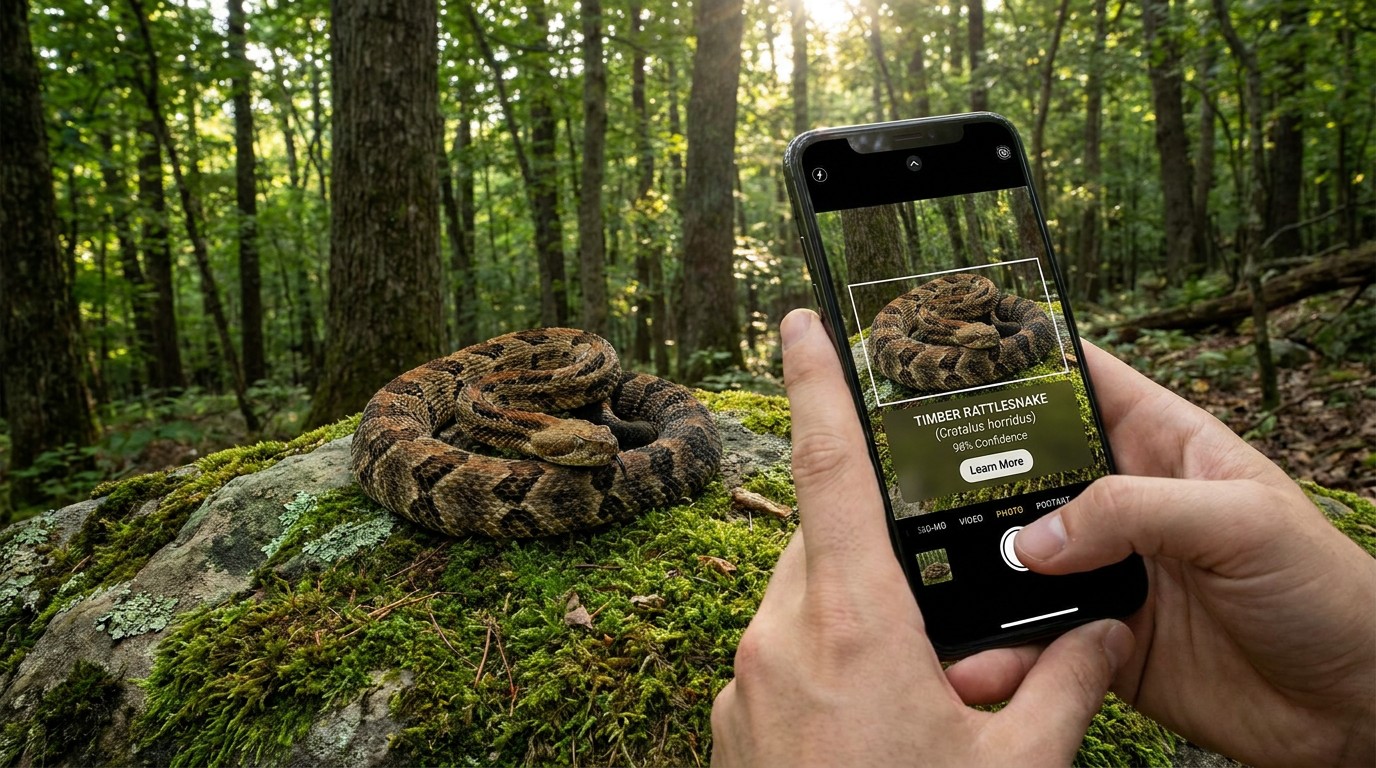
Encountering a snake in your backyard, on a hiking trail, or while camping can be a startling experience. Whether you are a curious nature enthusiast, a worried homeowner, or an outdoor adventurer, knowing exactly what species you are looking at can be the difference between a safe retreat and a dangerous mishandling. That is where a snake identifier by picture becomes an invaluable tool. Instead of relying on vague memory or risky close-up inspection, modern technology now allows you to snap a photo and receive an accurate species identification within seconds. The global rise in smartphone usage, combined with advances in artificial intelligence and machine learning, has made snake identification by picture faster, more accessible, and more accurate than ever before. With thousands of snake species worldwide — over 3,700 according to herpetologists — and roughly 600 of them venomous, having a reliable way to identify a snake from a photograph is not just convenient, it is potentially life-saving. This guide walks you through everything you need to know about using a snake identifier by picture, including how the technology works, which tools are best, how to take a good identification photo, and how to stay safe in the process.
How AI-Powered Snake Identification by Picture Actually Works
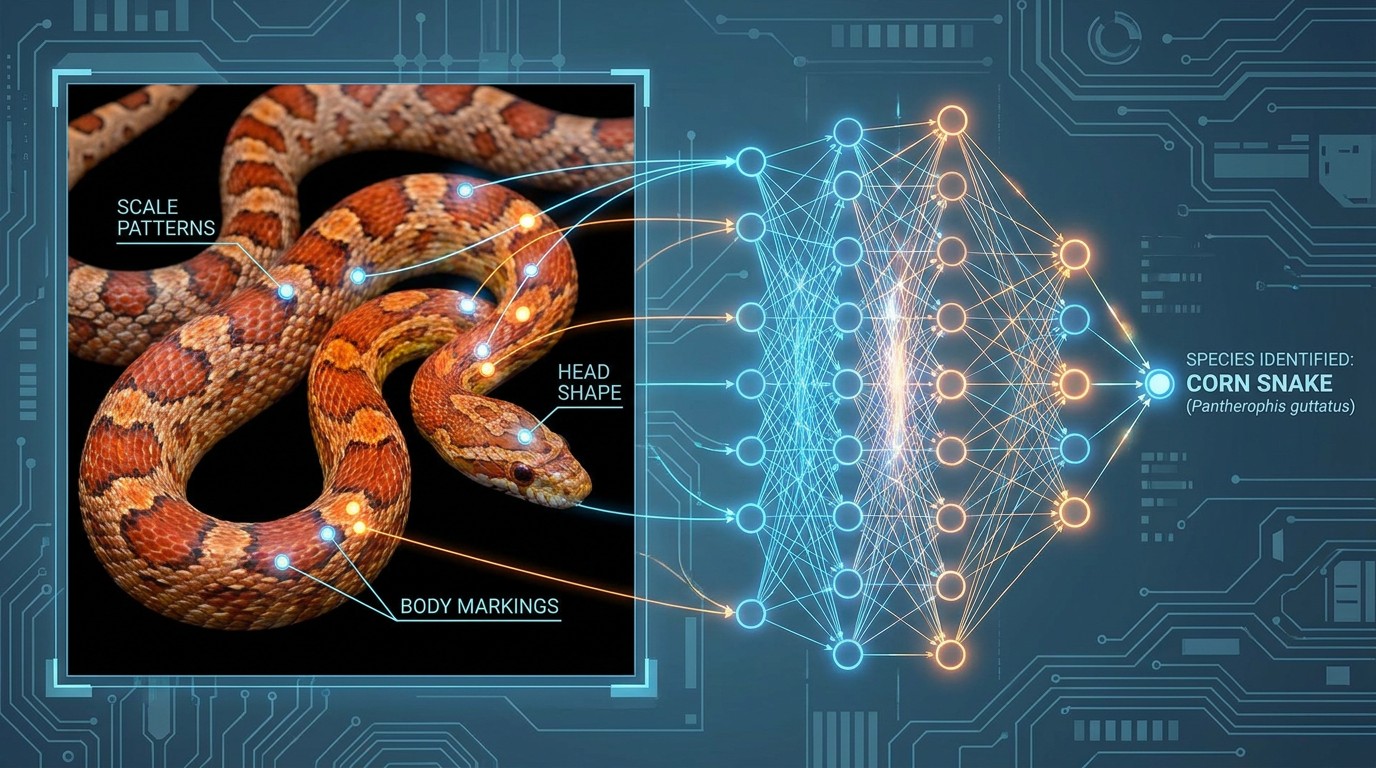
Modern snake identifier by picture tools are powered by deep learning algorithms trained on hundreds of thousands of labeled snake images. These convolutional neural networks, or CNNs, analyze visual features in your photo including scale patterns, body shape, head geometry, coloration, banding, and even environmental context clues. When you upload a photo, the AI compares these extracted visual features against a massive database of known snake species, returning the most likely matches ranked by confidence score. The best tools go beyond a simple name match and provide additional details such as geographic range, venom classification, behavioral traits, and recommended safety actions. Some platforms are trained specifically on regional snake populations, which dramatically improves accuracy for local species. For example, a tool trained heavily on North American species will be exceptionally good at distinguishing a Timber Rattlesnake from a harmless Eastern Ratsnake — two species that can look deceptively similar to the untrained eye. The technology has advanced to the point where accuracy rates on clean, well-lit photos can exceed 90 percent for common species. However, it is important to understand that AI tools are decision-support tools, not infallible oracles. Always cross-reference identifications with expert resources when safety is at stake, especially if a snake is suspected to be venomous.
The Best Snake Identifier by Picture Tool: IdentifyThis.app
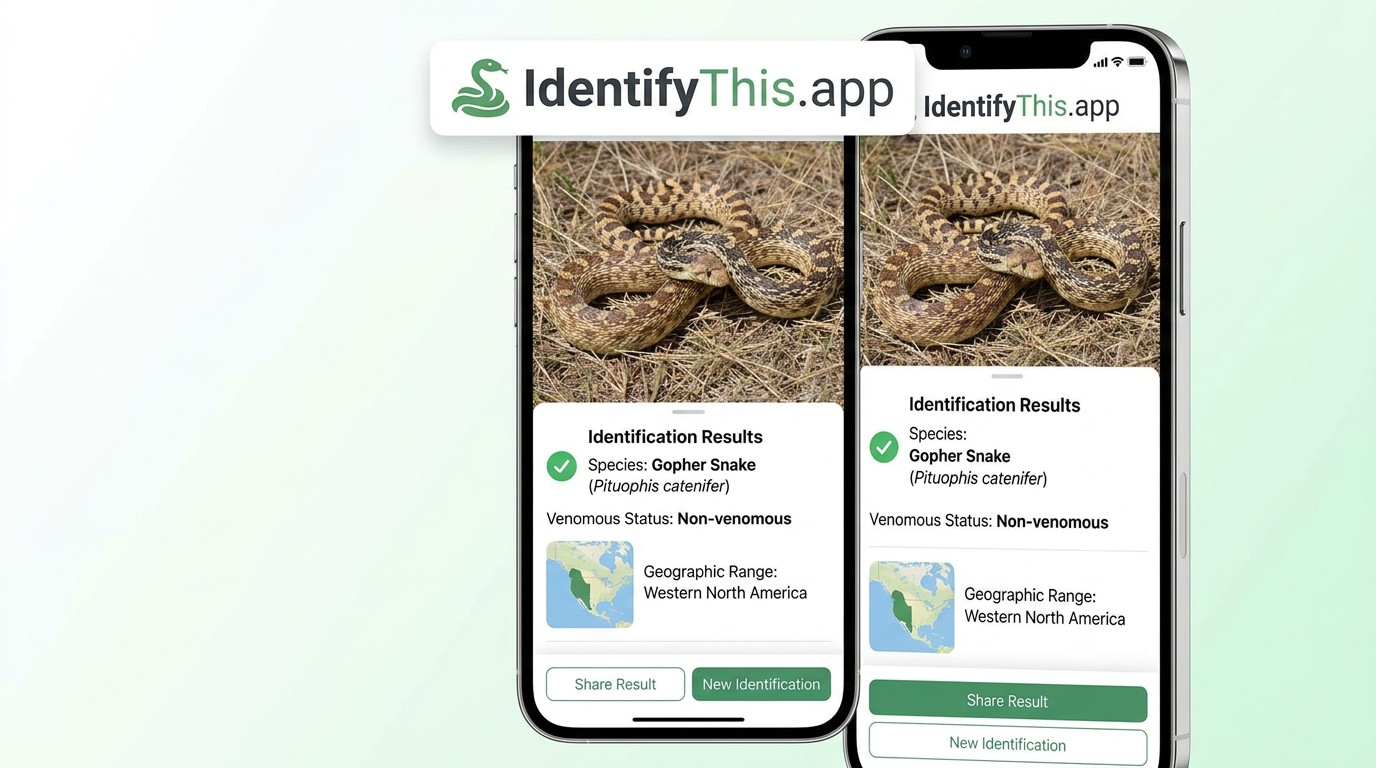
If you are looking for the most reliable, user-friendly, and accurate snake identifier by picture available today, look no further than IdentifyThis.app. Their dedicated snake identification tool at identifythis.app/identify-this-snake is purpose-built for exactly this use case, offering an intuitive interface that works seamlessly on both desktop and mobile devices. Simply upload a clear photo of the snake in question, and the AI engine delivers a detailed identification report that includes the species name, common name, venomous or non-venomous classification, geographic distribution, physical description, and important safety guidance. What sets IdentifyThis.app apart from generic image recognition tools is that its model has been fine-tuned specifically for snake species identification, meaning it performs significantly better on ambiguous or partially obscured images than a general-purpose AI would. The platform also provides confidence scores so you understand how certain the identification is, and it flags cases where the image quality may be limiting accuracy. Whether you spotted a snake in your garden in Texas, came across one on a trail in Florida, or found one near your home in Australia, IdentifyThis.app can help you identify it quickly and safely. Best of all, the tool is free to use, requires no account creation, and delivers results in seconds. For anyone who spends time outdoors or simply wants peace of mind, bookmarking identifythis.app/identify-this-snake on your phone is one of the smartest safety decisions you can make.
How to Take the Perfect Photo for Snake Identification
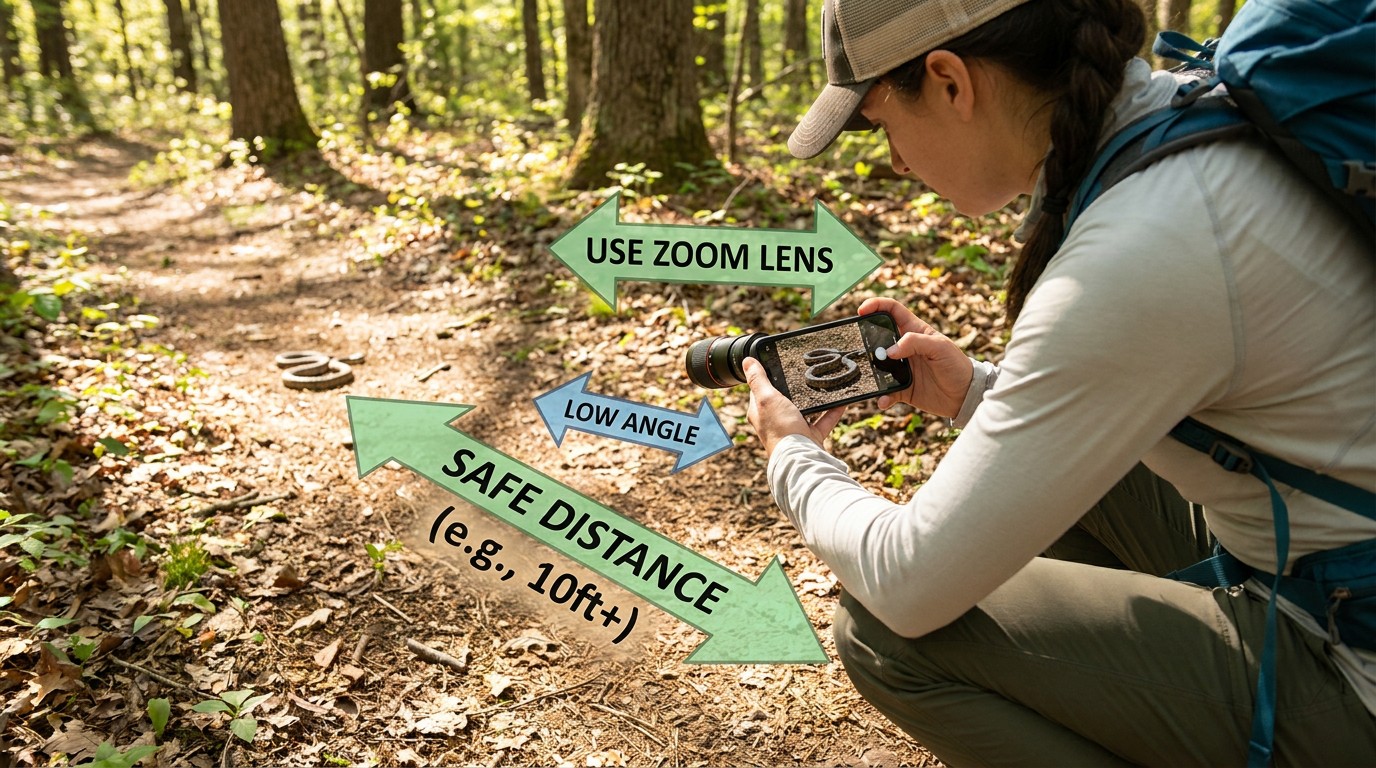
The accuracy of any snake identifier by picture tool depends heavily on the quality of the image you provide. A blurry, dark, or distant photo will dramatically reduce identification accuracy, so knowing how to take a good snake photo is an essential skill. First and foremost, never put yourself at risk to get a better photo. Maintain a safe distance of at least six feet from any unknown snake, and if possible use the zoom function on your smartphone rather than physically moving closer. Most modern smartphones have sufficient optical zoom to capture usable detail from a safe distance. When composing your shot, aim to capture as much of the snake's body as possible, including the head shape, which is one of the most important identification features. Triangular or spade-shaped heads often indicate venomous pit vipers, while rounded heads are more typical of harmless species — though this rule has many exceptions. Try to capture the snake in good natural lighting, avoiding harsh shadows that can obscure scale patterns and coloration. Take multiple photos from different angles if the snake is stationary and safe to photograph from a distance. A top-down view and a side profile view together provide the AI with the most useful information. Note the environment, too — whether the snake was found near water, in a dry rocky area, or in dense vegetation can be a helpful contextual clue. Avoid using flash as it can wash out the subtle color variations that are critical for species differentiation. Finally, if you notice distinctive markings such as a rattle, pit organs near the eyes, or a brightly colored belly, try to photograph those features specifically, as they can be highly diagnostic.
Common Snakes People Try to Identify by Picture and How to Tell Them Apart
Understanding the most commonly confused snake species can help you better appreciate what a snake identifier by picture is looking for and why certain identifications are more challenging than others. In North America, the most frequently misidentified pairing is the venomous Cottonmouth, also called the Water Moccasin, and the harmless Northern Watersnake. Both species inhabit similar aquatic environments, both can be aggressive when threatened, and both display banded patterns on their bodies. The key differences that an AI snake identifier by picture will analyze include the Cottonmouth's broader, more triangular head, its heat-sensing facial pits, its white mouth interior visible when it gapes in threat display, and its more uniform dark coloration in adults. Another notorious pair is the venomous Eastern Coral Snake and several harmless mimics such as the Scarlet Kingsnake. The old rhyme about red touching yellow versus red touching black holds some truth but has enough exceptions to be unreliable without visual confirmation. In Australia, where many of the world's most venomous snakes reside, distinguishing between species like the Eastern Brown Snake and the harmless Keelback requires expert-level knowledge that AI tools can provide instantly. In Europe, the primary concern is differentiating the venomous Adder from the harmless Grass Snake and Smooth Snake, which can look similar in poor lighting. A reliable snake identifier by picture like the one at IdentifyThis.app is trained on all of these species pairs and can highlight the specific distinguishing features present in your photo, making the identification process both educational and genuinely useful.
Snake Safety Tips: What to Do After Using a Snake Identifier by Picture
Identifying a snake is only the first step. Knowing how to respond appropriately after identification is equally important for your safety and the welfare of the snake. If your snake identifier by picture confirms the snake is venomous, the most important rule is simple: do not attempt to handle, relocate, or kill it yourself. Many snakebite incidents occur precisely because someone tried to interact with a snake they had just identified as dangerous. Venomous snakes play crucial ecological roles as predators of rodents and other pests, so killing them unnecessarily is both ecologically harmful and, in many regions, illegal. Instead, keep children and pets away from the area and contact a local wildlife removal service or snake wrangler. If you are hiking and encounter a venomous snake on a trail, give it a wide berth and allow it to move on in its own time. If someone is bitten, call emergency services immediately, keep the affected limb below heart level, remove any constricting jewelry or clothing near the bite, and keep the patient as calm and still as possible. Do not apply tourniquets, do not attempt to suck out venom, and do not cut the bite wound. If the snake is non-venomous, you can still choose to contact animal control if it has entered your home, but in most outdoor situations the safest and kindest approach is simply to leave it alone. Snakes are far more afraid of you than you are of them, and the vast majority will flee given the opportunity. Using a snake identifier by picture empowers you to make informed, rational decisions rather than fear-based ones, which ultimately protects both you and the snake.
Snake Identifier by Picture vs Traditional Field Guides: Which Is Better?
For decades, printed field guides were the gold standard for wildlife identification in the field. Books like the Audubon Society Field Guides or Peterson Field Guides to Reptiles and Amphibians have helped generations of naturalists identify snakes with accuracy and detail. So how does a modern snake identifier by picture tool compare, and should one replace the other? The honest answer is that both have genuine strengths, and the ideal approach combines them. Traditional field guides offer deep taxonomic detail, range maps, behavioral notes, and ecological context that even the best AI tool cannot yet fully replicate in a single response. They do not require a phone signal, a charged battery, or an internet connection, making them supremely reliable in remote environments. However, their greatest weakness is that they require the user to already have a rough idea of what they are looking at in order to navigate to the right section, and they present static images that may not match the angle or lighting of your real-world encounter. A snake identifier by picture tool like IdentifyThis.app solves this problem entirely by accepting whatever image you have and doing the taxonomic heavy lifting for you. It is faster, requires no prior knowledge, and can handle species from regions you may not be familiar with. For casual users and safety-focused identification, AI-powered tools are clearly superior in the field. For students, researchers, and serious herpetology enthusiasts, combining both tools gives you the best of both worlds: instant AI identification followed by deeper reading in a field guide for context and confidence.
Try It Now on IdentifyThis.app
Use our free AI-powered tool to snake identifier by picture instantly.
Try Free NowFrequently Asked Questions
Is a snake identifier by picture accurate enough to determine if a snake is venomous?
Modern AI-powered snake identifier by picture tools have achieved impressive accuracy levels, often exceeding 90 percent on clear, well-lit photographs of common species. Tools like IdentifyThis.app are specifically trained on snake species data and can reliably classify snakes as venomous or non-venomous with a high degree of confidence. However, no AI tool should be treated as the sole authority when your safety is at stake. If you receive a venomous classification or a low-confidence result on an unknown snake, always err on the side of caution and contact a local wildlife professional for confirmation before approaching the animal.
What is the best free snake identifier by picture app available?
IdentifyThis.app offers one of the best free snake identification by picture tools available online. Accessible at identifythis.app/identify-this-snake, it requires no account signup, works on any device with a browser, and provides detailed species information alongside its identification results including venomous status, geographic range, and safety advice. For a dedicated mobile app experience, iNaturalist is another widely respected free option that combines AI identification with a global community of naturalists who can confirm or correct automated identifications.
Can I use a snake identifier by picture tool at night or with low-quality photos?
Low-light and low-quality images present a genuine challenge for AI identification tools. Most snake identifier by picture systems rely heavily on color patterns and scale details that become difficult to distinguish in poor lighting conditions. If you encounter a snake at night, try to use your phone flashlight to illuminate the area before photographing, or increase your camera's exposure settings. Take multiple shots and submit the clearest one. IdentifyThis.app will indicate when image quality may be affecting accuracy, which is a helpful transparency feature. If the image quality is too poor for a confident identification, waiting for daylight or contacting a local wildlife professional is always the safest choice.
How do I identify a snake by picture if it has already moved and I only saw part of it?
Partial snake identifications are more challenging but not impossible. If you only captured part of the snake, focus on photographing or remembering the most diagnostic features: the head shape, any distinctive markings near the head, tail characteristics such as a rattle or bright coloration, and the scale pattern on the back. Submit your partial image to a snake identifier by picture tool and note in any comment or context field what part of the body is shown. iNaturalist's community feature is particularly useful in these cases, as human experts can sometimes identify a species from a single distinctive scale pattern or body segment that an AI might miss.
Are there snake identifier by picture tools that work for snakes from any country?
Yes, several snake identifier by picture platforms are designed to handle global species coverage. IdentifyThis.app is built to identify snake species from across North America, Europe, Australia, Asia, and Africa. iNaturalist similarly covers global biodiversity. However, it is worth noting that identification accuracy can vary by region depending on how many labeled training images are available for local species. Snakes from heavily studied regions like North America and Australia tend to have higher identification accuracy than those from less-documented biodiversity hotspots in parts of Asia and South America. If you are traveling internationally, downloading a region-specific herpetology app or field guide as a backup is always a smart precaution.