Eastern Milk Snake
Lampropeltis triangulum · Colubridae
Also called: Milksnake, Spotted Adder
A harmless constrictor with bold blotches, often killed because it is mistaken for a copperhead or coral snake. A beneficial rodent and snake predator.
What the Eastern Milk Snake looks like
How to identify it
- 1Reddish-brown blotches bordered in black on a gray body
- 2Y- or V-shaped light marking on the back of the head
- 3Smooth, glossy scales and round pupils
- 4Checkerboard belly pattern
Snakes it's confused with
Venomous; hourglass bands and a triangular copper head.
Behavior & danger to humans
May vibrate its tail and bite if cornered, but is harmless.
✓ Good news: Harmless and beneficial. Frequently misidentified and needlessly killed.
Related snakes
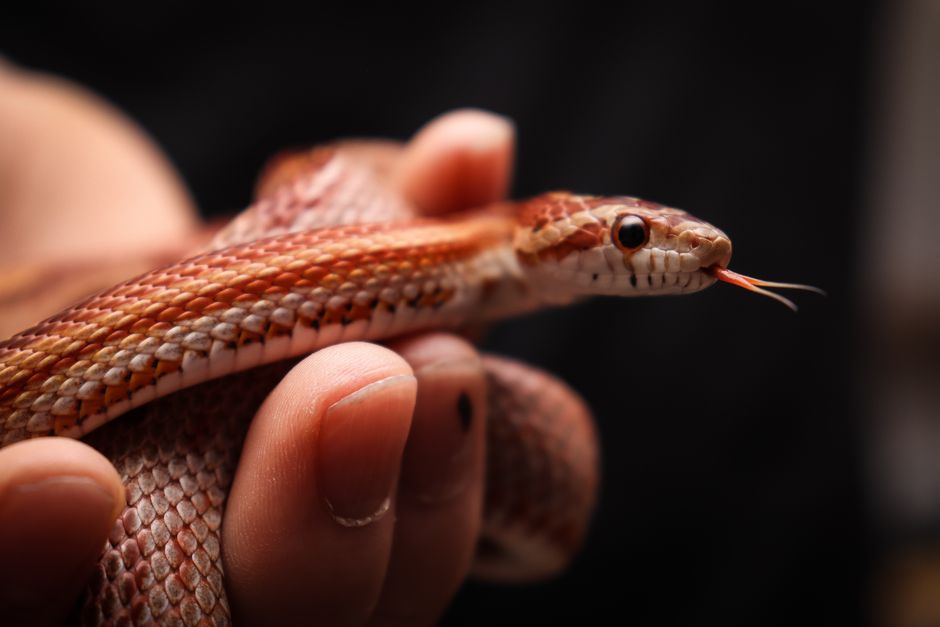 Non-venomous
Corn Snake
Pantherophis guttatus
A harmless, beneficial constrictor and one of the most popular pet snakes in the world. Frequently mistaken for the venomous copperhead.
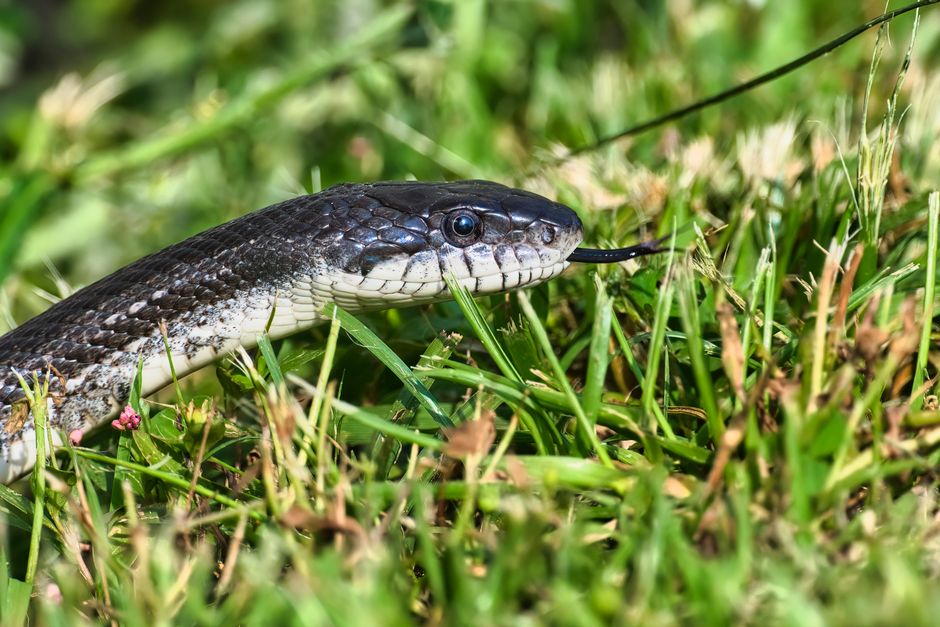 Non-venomous
Eastern Ratsnake
Pantherophis alleghaniensis
A large, harmless constrictor and one of the best natural rodent controllers around homes and farms. Juveniles are gray and blotched, leading to copperhead confusion.
 Non-venomous
Northern Watersnake
Nerodia sipedon
A harmless aquatic snake constantly killed out of fear that it is a cottonmouth. It bites readily when grabbed but has no venom.
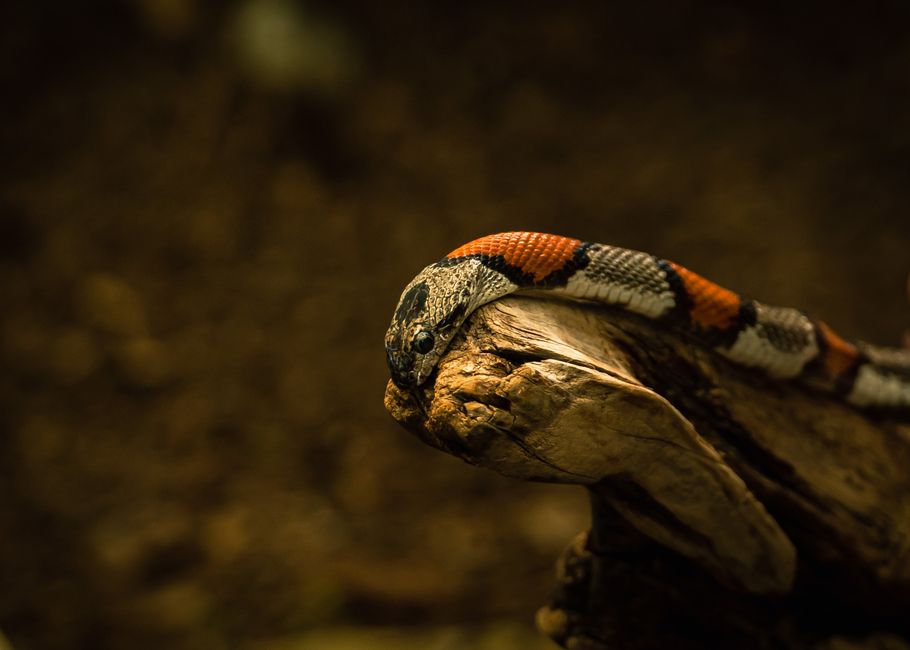 Non-venomous
Scarlet Kingsnake
Lampropeltis elapsoides
A harmless coral snake mimic. Its red bands touch black bands — 'red touches black, friend of Jack' — separating it from the venomous coral snake.